


Purchasing a Friesian horse is a significant investment, both financially and emotionally. These majestic horses are known for their striking appearance, gentle temperament, and versatility in various equestrian disciplines. However, ensuring you select a healthy, well-suited Friesian requires a thorough and systematic approach. This Friesian horse evaluation checklist provides a practical framework for buyers to assess conformation, health, temperament, and suitability before making a commitment.
Whether you are a first-time Friesian buyer or an experienced equestrian, following a detailed inspection process helps minimize risks and ensures a rewarding partnership. For those interested in deepening their understanding of Friesian characteristics, the complete guide to Friesian horses offers comprehensive insights into the breed’s history, care, and unique qualities.
Why a Structured Friesian Horse Evaluation Is Essential
Friesians are admired for their beauty and presence, but not every individual horse will meet your needs or expectations. A structured approach using a Friesian horse evaluation checklist helps you:
- Identify potential health or soundness issues before purchase
- Assess conformation and movement relevant to your intended use
- Evaluate temperament and suitability for your riding level
- Verify documentation, registration, and breeding history
- Make informed decisions and avoid costly mistakes
Early in your search, it’s also valuable to understand equine behavior and communication to better interpret the horse’s responses during the inspection process.
Key Elements of a Friesian Horse Pre-Purchase Inspection
Every Friesian is unique, but certain evaluation steps are universally important. Use the following sections as a step-by-step guide to ensure a thorough assessment.
1. Visual Assessment: First Impressions and Conformation
Begin your inspection with a careful visual overview. Stand back and observe the horse’s overall balance, proportions, and breed characteristics. Key points to check include:
- Head and Neck: Should be noble, with a straight or slightly convex profile and a well-arched neck.
- Shoulders and Withers: Look for sloping shoulders and well-defined withers for optimal movement.
- Back and Topline: The back should be strong and straight, not overly long or dipped.
- Legs and Hooves: Legs must be straight with clean joints; hooves should be well-shaped and free of cracks.
- Mane, Tail, and Feathering: Abundant hair is typical, but check for skin conditions or excessive matting.
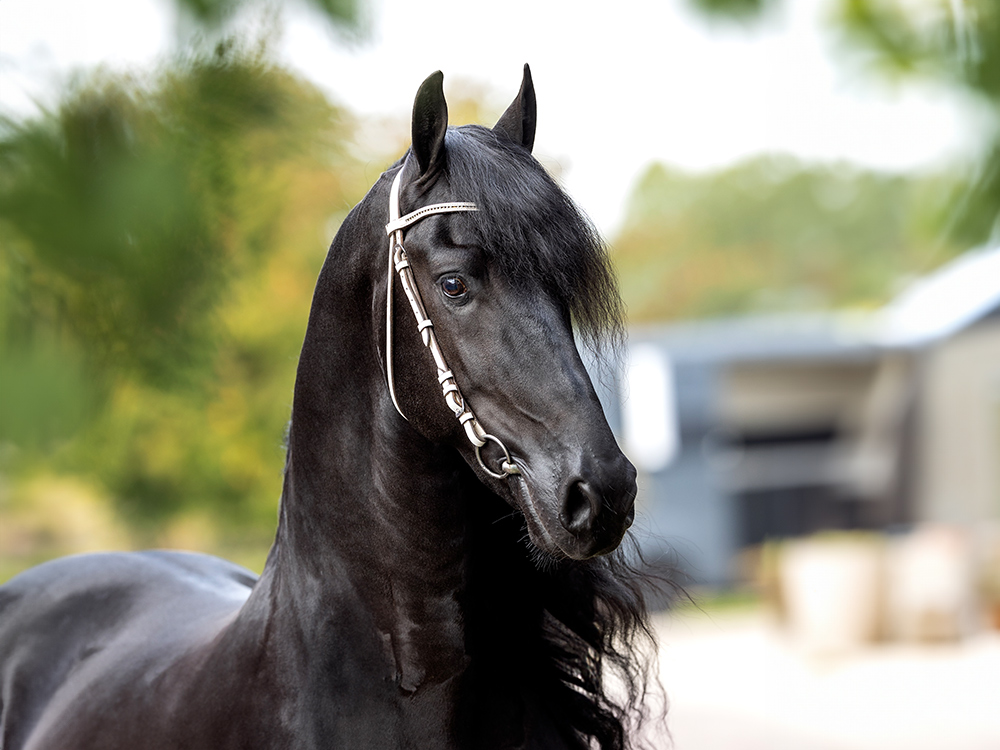
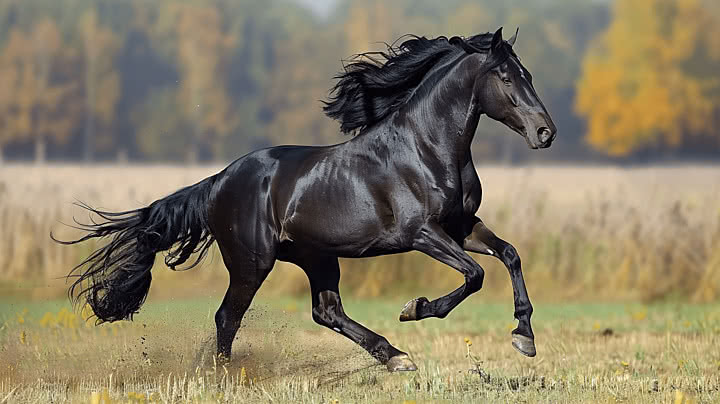
Take note of any asymmetry, swelling, or irregularities. Friesians should present a harmonious silhouette, with movement that is fluid and expressive.
2. Movement and Soundness Evaluation
Ask to see the horse led at walk and trot on a straight line and in circles. Watch for:
- Evenness of stride and willingness to move forward
- Absence of limping, head bobbing, or stiffness
- Engagement of hindquarters and freedom in the shoulder
- Correct tracking and straightness
For performance prospects, observe under saddle or in harness to assess trainability and athleticism. If possible, have a veterinarian perform a flexion test and lameness evaluation.
3. Health and Veterinary Checks
A comprehensive health assessment is non-negotiable. Key aspects of the Friesian horse evaluation checklist for health include:
- Vital signs: Check temperature, pulse, and respiration for normal ranges.
- Eyes and mucous membranes: Should be clear, bright, and free of discharge.
- Teeth: Inspect for age estimation and dental health.
- Skin and coat: Look for signs of allergies, parasites, or infections.
- Hoof condition: Examine for cracks, thrush, or abnormal wear.
Request a full veterinary pre-purchase exam, including bloodwork and, if warranted, X-rays. Friesians can be predisposed to certain conditions such as hydrocephalus, dwarfism, and aortic rupture, so discuss breed-specific risks with your vet.
4. Temperament and Handling
Friesians are generally known for their gentle and willing nature, but individual temperament varies. During your evaluation:
- Observe the horse’s reaction to new people and environments
- Note responses to grooming, tacking up, and being handled
- Assess for signs of anxiety, aggression, or excessive nervousness
Spending time with the horse on the ground and under saddle provides valuable insight into compatibility. For tips on building rapport, see how to become a better horse owner.
5. Documentation and Provenance
Before finalizing your decision, verify all paperwork:
- Registration papers: Confirm authenticity and lineage with the appropriate Friesian registry.
- Health records: Review vaccination, deworming, and medical history.
- Breeding and performance records: For mares and stallions, check for foal records and show results.
- Ownership history: Understand previous training, use, and any changes in ownership.
Clear, transparent documentation is essential for both peace of mind and future resale value.
Grooming and Maintenance Considerations
Friesians require regular grooming to maintain their signature long manes, tails, and feathering. A well-groomed horse not only looks its best but also stays healthier. For expert advice, check out these Friesian grooming tips to keep your new partner in top condition.
Investing in quality grooming tools and products, such as those highlighted above, will make daily care more efficient and enjoyable.
Red Flags and Common Pitfalls in Friesian Selection
Even with a thorough checklist, it’s important to stay alert for warning signs that may indicate underlying issues:
- Reluctance to allow inspection or handling
- Obvious lameness or irregular movement
- Incomplete or missing documentation
- Unexplained scars, swelling, or behavioral problems
- Seller unwilling to permit a veterinary exam
Trust your instincts and never feel pressured to rush the process. If something feels off, it’s wise to walk away and continue your search.
Next Steps After the Evaluation
If the horse passes your inspection and veterinary exam, take time to review all findings and discuss them with your trainer or advisor. Consider arranging a trial period or multiple visits to further assess compatibility. Remember, a Friesian is a long-term commitment, and patience in the selection process pays off in the quality of your partnership.
For ongoing care and best practices, explore resources on horse welfare best practices and equestrian lifestyle tips to support your journey as a responsible horse owner.
Frequently Asked Questions
What are the most important health checks for Friesian horses before purchase?
Key health checks include a full veterinary exam, bloodwork, dental inspection, and evaluation for breed-specific conditions like hydrocephalus and dwarfism. Hoof health, skin condition, and overall soundness should also be thoroughly assessed.
How can I tell if a Friesian’s temperament suits my riding level?
Spend time handling and riding the horse in different settings. Observe responses to new situations and people, and ask the seller about the horse’s experience with riders of various skill levels. A calm, willing demeanor is ideal for most owners.
Why is documentation so important when buying a Friesian?
Proper registration, health, and ownership records verify the horse’s identity, lineage, and medical history. This protects your investment and ensures transparency, which is especially important for breeding or resale purposes.
What grooming tools are recommended for Friesians?
Quality brushes, detanglers, and shampoos designed for long manes and tails are essential. Consider investing in specialized grooming kits and products to keep your Friesian’s coat and feathering healthy and manageable.
Conclusion
Using a detailed Friesian horse evaluation checklist is the best way to ensure a successful and satisfying purchase. By focusing on conformation, movement, health, temperament, and documentation, you can confidently select a Friesian that matches your goals and lifestyle. Take your time, seek expert advice, and enjoy the process of finding your ideal equine partner.