-
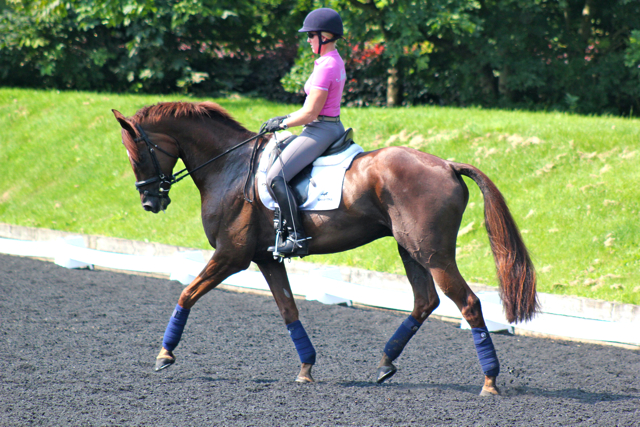
Pole Work for Dressage Training
Incorporating pole work for dressage training into your horse’s schooling routine can bring a host of benefits, from improving rhythm and balanc…
-
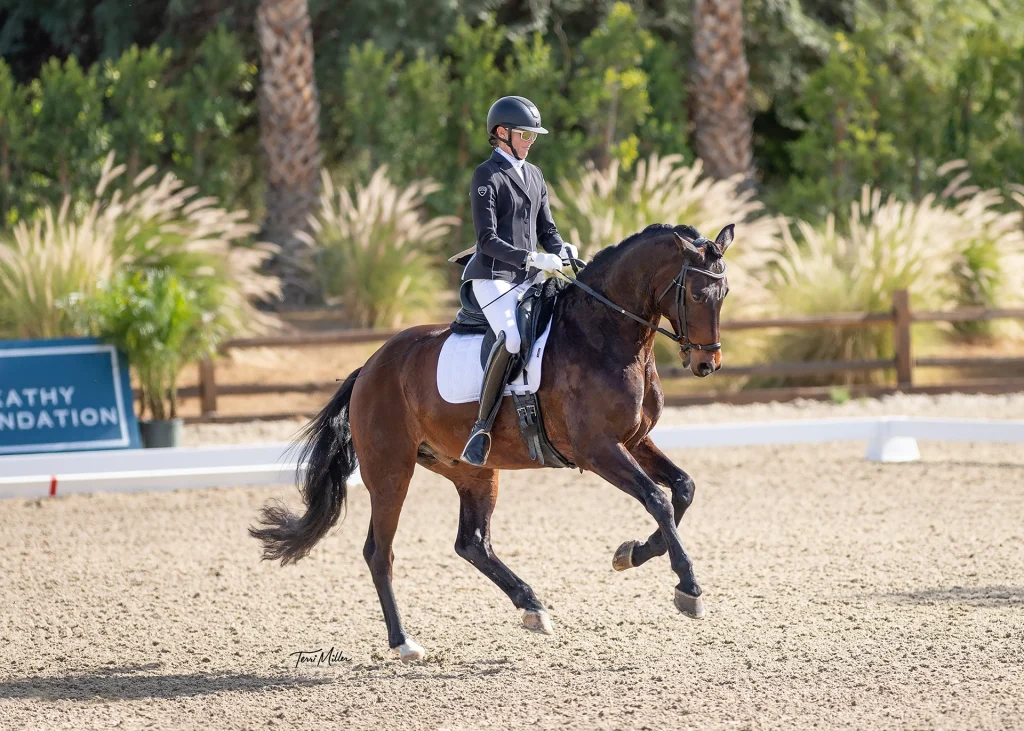
Importance of Rest Days in Dressage Training
Achieving progress in dressage requires a thoughtful balance between consistent schooling and allowing horses time to recover. Rest days in dressage t…
-
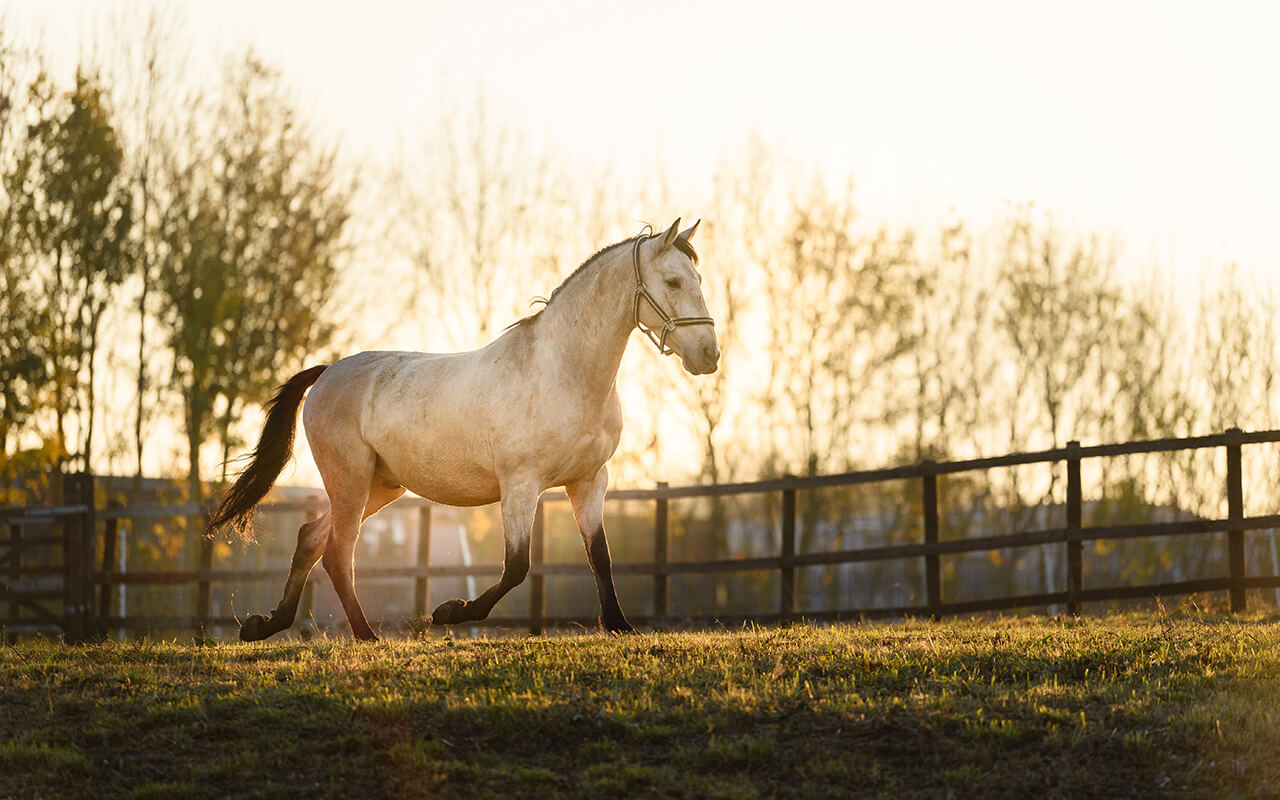
Horse Care in Hot Weather: Tips to Keep Your Horse Cool
As temperatures rise, ensuring your horse stays comfortable and healthy becomes a top priority. Horse care in hot weather requires more than just prov…
-

Progressing Through Dressage Levels
Advancing in dressage is a journey that requires dedication, patience, and a clear understanding of the sport’s structure. Riders and horses develop t…
-
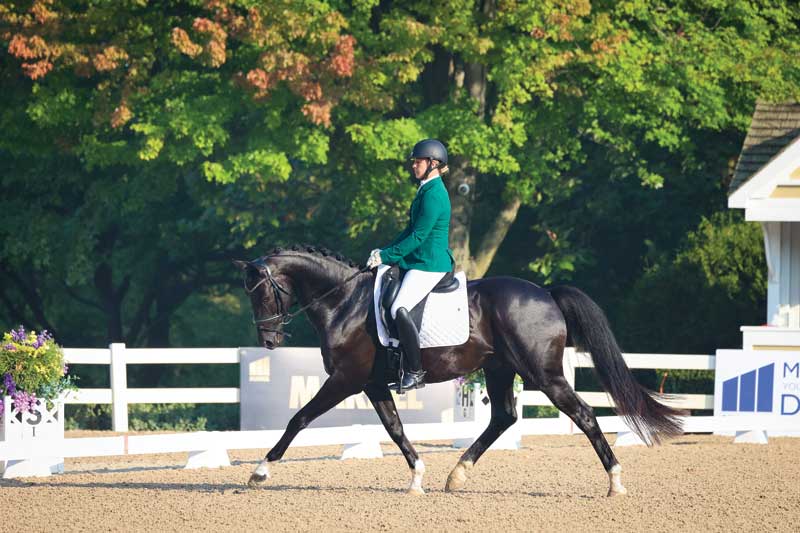
Dressage Training Levels Explained
Dressage is a discipline that emphasizes harmony, precision, and communication between horse and rider. Understanding the progression of dressage leve…
-
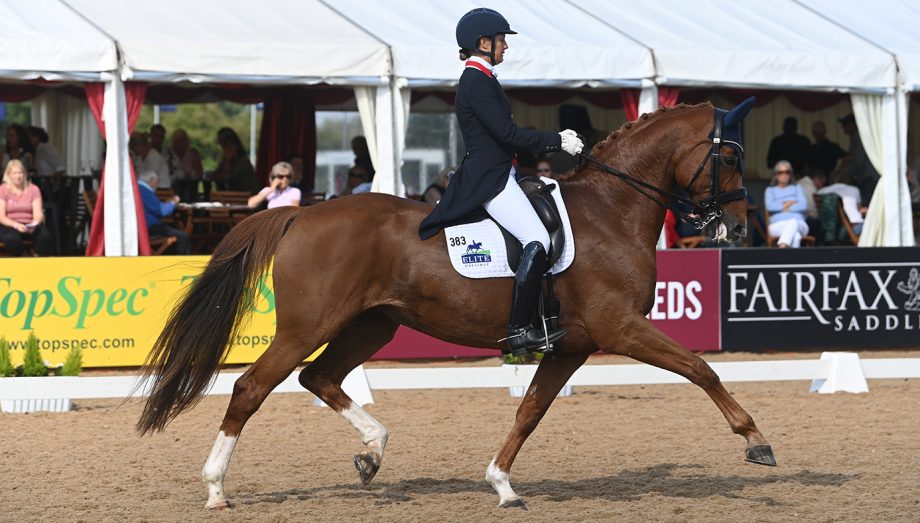
Half Halt in Dressage Explained
The concept of the half halt is fundamental in dressage, yet it often remains one of the most misunderstood and underutilized tools in a rider’s…
-
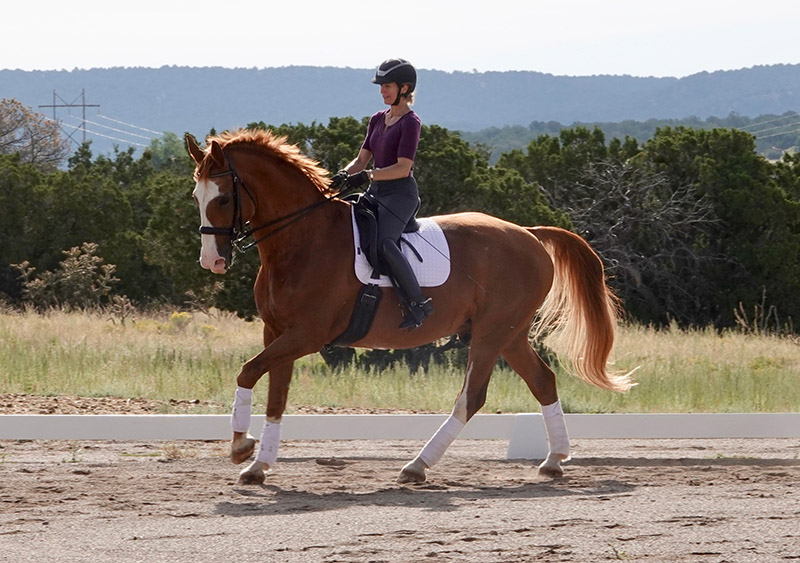
First Level Dressage Movements Explained
Understanding first level dressage movements is a key step for riders progressing beyond the basics of dressage. At this stage, both horse and rider a…
-

Moving From Training Level to First Level Dressage
Making the transition from basic dressage to the next stage is a significant milestone for both horse and rider. This progression involves not only re…
-

Leg Yield Dressage Training Explained
Leg yield dressage training is a foundational exercise in classical riding that develops a horse’s suppleness, responsiveness, and straightness….
-

Intro Level Dressage Training Tips
Starting out in dressage can be both exciting and challenging for riders and their horses. Building a strong foundation at the introductory stage is e…