

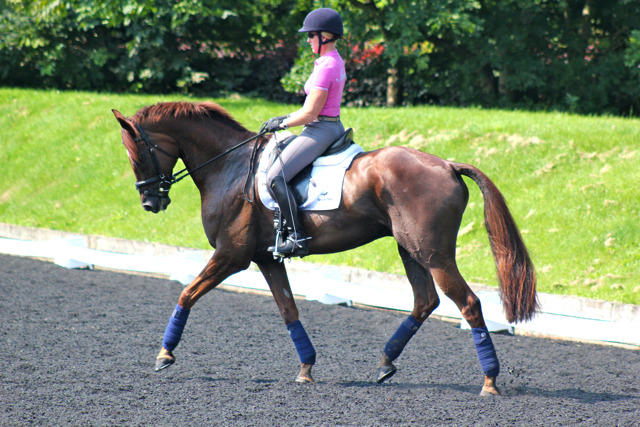
Many riders believe that effective dressage work requires a full-sized arena, but the reality is that meaningful progress can be made even when space is limited. Whether you ride at home, board at a facility with compact arenas, or need to adapt to seasonal constraints, learning how to optimize dressage training in small spaces can help both horse and rider develop balance, suppleness, and precision. This guide explores practical strategies, exercises, and equipment tips to help you get the most out of your training, regardless of arena size.
Safety is always a priority, especially when working in tighter quarters. If you’re looking for tips on protective gear, you may find how to choose a helmet for eventing useful for ensuring you and your horse stay safe during every session.
Why Small Arenas Can Improve Dressage Skills
Working in a compact area encourages both horse and rider to focus on accuracy and responsiveness. With less room to maneuver, every aid must be clear and every movement deliberate. This environment can actually accelerate progress in several key areas:
- Improved balance: Horses learn to carry themselves more evenly when they can’t rely on long straight lines.
- Enhanced responsiveness: Riders must give precise cues, and horses must react promptly to avoid running out of room.
- Better use of aids: Small spaces highlight the importance of seat, leg, and rein coordination.
- Increased rider awareness: Navigating tight turns and transitions sharpens a rider’s sense of timing and feel.
Adapting Dressage Exercises for Limited Space
Many classic dressage patterns can be modified to fit smaller arenas or even a large paddock. The key is to scale down movements without sacrificing quality. Here are some effective exercises:
Circles and Bending Lines
Instead of 20-meter circles, try 10- or 15-meter circles. Focus on maintaining rhythm and bend, ensuring your horse stays balanced through the turn. Serpentines and figure-eights can also be adapted by reducing their width and number of loops.
Transitions and Lateral Work
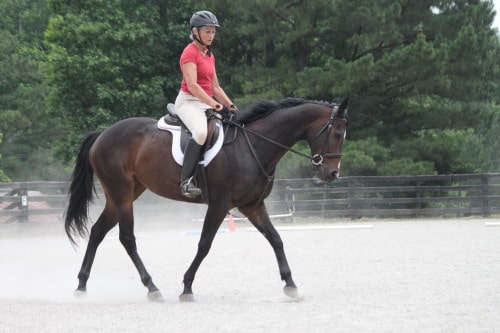
Shorter straightaways are perfect for practicing frequent transitions between gaits and within gaits. This keeps your horse attentive and helps develop collection. Lateral movements such as leg-yield, shoulder-in, and haunches-in can be performed on short diagonals or along the rail, even in a small enclosure.
Using Poles and Cones
Ground poles and cones are excellent tools for adding variety and structure. Set up patterns that encourage your horse to step under and engage the hindquarters. You can create mini slalom courses or mark out smaller circles to help with accuracy.
Essential Tips for Success in Compact Arenas
Making the most of a limited area requires a few adjustments to your routine and mindset. Here are some practical suggestions:
- Plan your ride: Before mounting, visualize your exercises and how they’ll fit in the available space.
- Prioritize quality over quantity: Focus on correct, balanced movements rather than covering distance.
- Keep sessions short and focused: Horses can tire mentally and physically more quickly in small spaces, so keep workouts concise.
- Monitor footing: Small areas can become worn or slippery. Regularly check and maintain the surface for safety.
- Use clear markers: Cones or poles can help define corners and straight lines, making patterns easier to ride accurately.
Equipment Considerations for Small-Space Dressage
The right equipment can make a significant difference when working in a compact area. A well-fitted saddle is crucial for both horse and rider comfort, especially when performing frequent turns and transitions. If you’re considering an upgrade, look for models designed for close contact and support.
Hoof care is equally important, as tight turns can place extra stress on your horse’s feet. Using a protective balm can help maintain healthy hooves, especially if your training area has variable footing.
Common Challenges and How to Overcome Them
Training in a small space comes with unique obstacles, but most can be managed with thoughtful adjustments:
- Loss of impulsion: If your horse becomes sluggish, use frequent transitions and changes of direction to keep them engaged.
- Falling in or out on turns: Focus on riding from your inside leg to outside rein, supporting your horse’s balance through every curve.
- Limited straight lines: Use the longest available lines for straightness work, even if only a few strides at a time.
- Boredom: Vary your exercises and incorporate ground poles or new patterns to keep sessions interesting for both of you.
Additional Resources for Small-Area Dressage
For more step-by-step guidance on foundational movements, you might find this guide to basic dressage techniques helpful. It covers essential exercises and tips that can be adapted to any arena size.
Riders interested in optimizing their safety gear can also explore topics such as how to evaluate helmet weight for neck comfort or learn about common equestrian helmet fitting mistakes to ensure every ride is as safe as it is productive.
FAQ
Can you progress in dressage without a full-sized arena?
Absolutely. Many foundational and advanced dressage movements can be practiced in smaller spaces. The key is to adapt exercises and focus on precision, balance, and correct aids.
What are the best exercises for limited space?
Circles, serpentines, transitions, and lateral work such as leg-yield or shoulder-in are all effective. Using ground poles and cones can add variety and help with accuracy.
How do you keep your horse engaged in a small arena?
Vary your patterns, include frequent transitions, and introduce new challenges like pole work or different lateral movements. Keeping sessions short and focused also helps prevent boredom.
Is special equipment needed for training in compact areas?
While no special equipment is strictly required, a well-fitted saddle and attention to hoof care are important. Consider using markers or poles to help define your patterns and support your horse’s balance.