

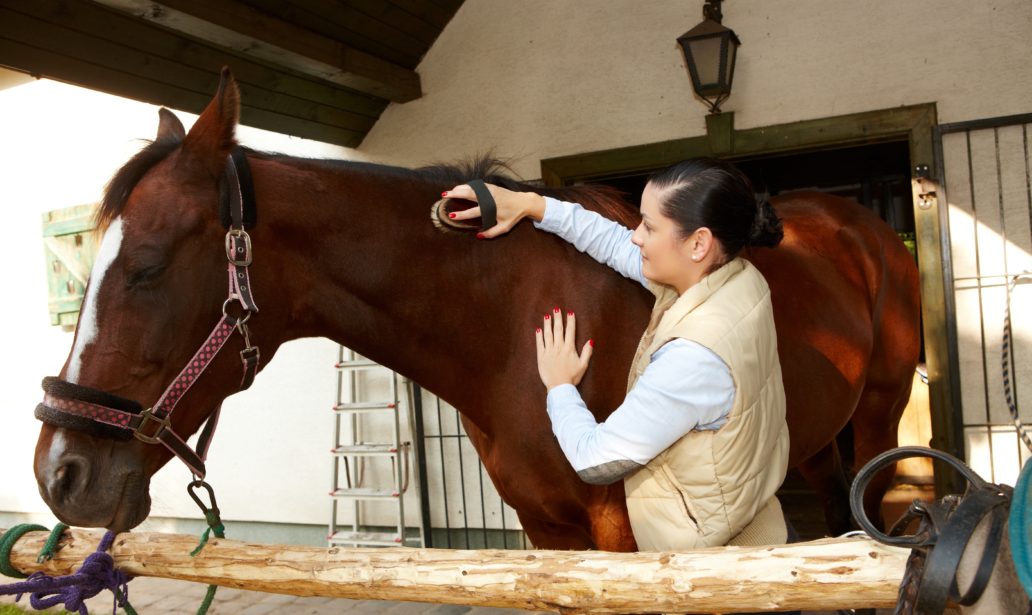
Understanding the horse grooming time required is essential for every equine owner or caretaker. Grooming is not just about keeping a horse looking presentable; it plays a crucial role in maintaining the animal’s health, comfort, and well-being. Whether you’re new to horse care or looking to optimize your daily routine, knowing how much time to set aside for grooming can help you plan more effectively and ensure your horse receives the attention it deserves.
The duration needed for grooming can vary depending on factors such as the horse’s coat condition, the season, and the level of cleanliness required. Some days may call for a quick brush-down, while others might involve a more thorough session. By learning about the typical time commitments and what influences them, you’ll be better prepared to fit grooming into your schedule and avoid common mistakes.
For a deeper dive into best practices, you might find the horse grooming dos and donts guide helpful, especially if you’re aiming to streamline your routine while keeping your horse healthy.
Factors That Influence Grooming Duration
The amount of time you’ll need for grooming depends on several variables. Recognizing these factors can help you estimate the horse grooming time required for your unique situation.
- Coat Condition: Horses with thick, muddy, or shedding coats will take longer to groom than those with clean, short coats.
- Frequency: Daily grooming sessions are usually shorter, as dirt and tangles don’t have time to accumulate. Infrequent grooming often means more time spent per session.
- Season: During shedding season, expect to spend extra time removing loose hair. Wet or muddy weather can also add to the workload.
- Purpose: Quick pre-ride grooming is faster than a full, deep-clean session that includes mane and tail care, hoof picking, and health checks.
- Horse’s Temperament: Some horses enjoy grooming and stand quietly, while others may fidget or resist, making the process take longer.
Typical Time Commitments for Different Grooming Routines
Grooming can be broken down into several types of routines, each with its own time requirements. Here’s what you can generally expect:
Quick Daily Grooming
A basic daily session focuses on removing surface dirt, checking for injuries, and picking out hooves. This is often done before riding or turnout.
- Time Needed: 10–20 minutes
- Steps Involved: Curry comb, stiff brush, soft brush, hoof pick, brief check for cuts or swelling

Thorough Weekly Grooming
A more comprehensive session includes mane and tail detangling, deep cleaning, and a full-body check. This is ideal for maintaining coat health and catching early signs of issues.
- Time Needed: 30–45 minutes
- Steps Involved: All daily steps plus mane and tail care, deep brushing, and a detailed inspection for skin problems or parasites
For a structured routine, the horse grooming checklist can help ensure you don’t miss any important steps during your weekly sessions.
Special Grooming Situations
Certain circumstances, such as preparing for a show or dealing with a particularly dirty horse, require extra attention and time.
- Time Needed: 60 minutes or more
- Steps Involved: Bathing, clipping, whitening socks, and detailed mane and tail styling
If you’re addressing specific health concerns, such as skin irritations or parasites, refer to resources like the horse grooming for parasite control guide for targeted advice.
Step-by-Step Breakdown of a Typical Grooming Session
To help you estimate the time needed for horse grooming, here’s a typical sequence along with approximate durations for each step:
| Step | Estimated Time | Purpose |
|---|---|---|
| Curry Combing | 3–5 min | Loosens dirt and stimulates skin |
| Stiff Brushing | 3–5 min | Removes loosened dirt and hair |
| Soft Brushing | 2–4 min | Finishes coat and removes fine dust |
| Mane & Tail Care | 5–10 min | Detangles and cleans hair |
| Hoof Picking | 2–3 min | Removes debris and checks for stones |
| Health Check | 2–5 min | Look for cuts, swelling, or parasites |
Adjust these times based on your horse’s needs and your experience level. With practice, you’ll become more efficient while still ensuring a thorough job.
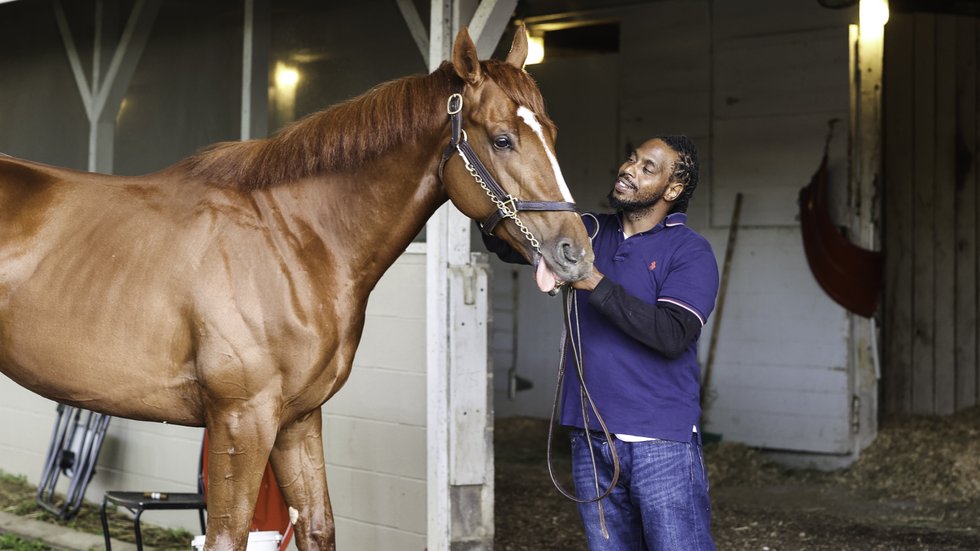
Tips for Efficient and Effective Grooming
- Keep your grooming tools organized and within reach to save time.
- Establish a consistent routine so your horse knows what to expect, which can help reduce fidgeting.
- Address problem areas, such as mud on legs or tangles in the mane, early in the session.
- Use the opportunity to check for signs of illness or injury, as early detection can save time and trouble later.
- Consider using a comprehensive equine grooming guide for additional techniques and time-saving strategies.
If you’re new to grooming or want to avoid common pitfalls, the common horse grooming errors article offers practical solutions to keep your sessions running smoothly.
Why Consistency Matters in Grooming Routines
Regular grooming is about more than appearance. It helps build trust between you and your horse, supports overall health, and allows you to spot issues before they become serious. By setting aside the right amount of time for each session, you reinforce positive habits and ensure your horse stays comfortable and happy.
Don’t overlook the importance of a routine health check during grooming. For guidance on what to look for, the horse grooming health check resource outlines key signs to monitor.
Frequently Asked Questions
How long should I spend grooming my horse each day?
For most horses, a daily grooming session of 10–20 minutes is sufficient to remove dirt, check for injuries, and maintain coat health. If your horse is particularly dirty or shedding, you may need a bit more time.
What can affect the time it takes to groom a horse?
Several factors influence grooming duration, including the horse’s coat length and cleanliness, the frequency of grooming, seasonal changes (like shedding), and your horse’s temperament. More frequent grooming usually means less time needed per session.
Is it necessary to groom my horse every day?
While daily grooming is ideal for maintaining health and building a bond, it’s not always possible. Aim for at least a quick brush and hoof check each day, and schedule thorough grooming sessions several times a week.