

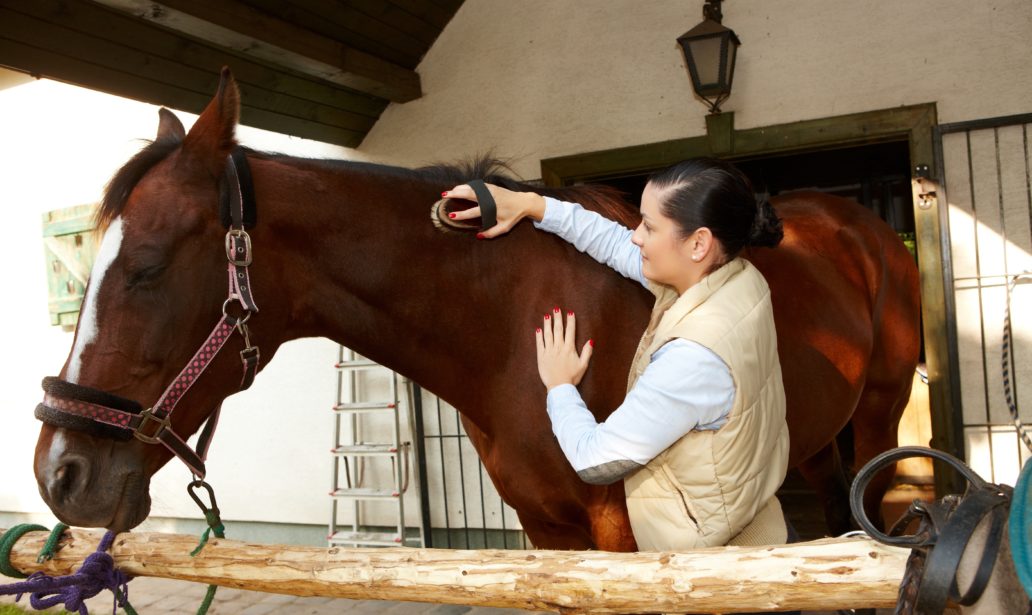
Maintaining a consistent horse grooming routine for stable environments is essential for the health, comfort, and performance of every horse. Proper grooming not only keeps horses looking their best but also supports their well-being, helps prevent skin conditions, and strengthens the bond between horse and handler. In a busy stable, establishing effective grooming habits can streamline daily care and contribute to a cleaner, safer environment for both horses and staff.
Whether you manage a large boarding facility or care for a few horses at home, understanding the fundamentals of daily grooming, choosing the right tools, and following a structured approach can make a significant difference. For those interested in improving handling skills through grooming, the horse grooming behavior training guide offers valuable insights into building trust and cooperation during grooming sessions.
Why a Consistent Grooming Schedule Matters
A regular grooming schedule is more than just a cosmetic practice. It plays a vital role in maintaining a horse’s physical and mental health. Daily grooming allows for early detection of injuries, skin irritations, or parasites. It also stimulates circulation, distributes natural oils, and provides an opportunity to check hooves and legs for signs of strain or swelling.
In a stable setting, a well-organized grooming routine helps prevent the spread of dirt and disease, keeps equipment in better condition, and fosters a sense of routine that horses find reassuring. For stables that participate in competitions, a structured approach to grooming can also improve presentation and performance. For advanced show preparation, see the horse grooming for horse shows resource.
Essential Tools for Daily Horse Care
Having the right grooming tools on hand is key to an effective routine. A basic kit should include:
- Curry comb: Loosens dirt, hair, and debris from the coat.
- Dandy brush: Removes the loosened dirt and hair.
- Body brush: Smooths the coat and brings out natural shine.
- Hoof pick: Cleans hooves and checks for stones or injuries.
- Mane and tail comb: Detangles and smooths hair.
- Sponge or soft cloth: Cleans sensitive areas like the face and dock.
For those looking to upgrade or replace their grooming supplies, investing in a comprehensive kit can save time and ensure all necessary tools are available.

Step-by-Step Stable Grooming Routine
Following a structured process ensures that all areas are addressed and nothing is overlooked. Here’s a typical sequence for daily grooming in a stable:
- Secure the horse: Use cross-ties or a safe halter and lead rope in a quiet area.
- Pick out hooves: Start with the front left and move around the horse, checking for stones, debris, or signs of thrush.
- Curry comb the coat: Use circular motions to loosen dirt and stimulate the skin, avoiding sensitive areas.
- Brush with a dandy brush: Flick away the loosened dirt, working in the direction of hair growth.
- Body brush for shine: Use a soft brush to smooth the coat and remove fine dust.
- Clean mane and tail: Gently detangle using a wide-tooth comb or fingers, working from the bottom up to prevent breakage.
- Wipe face and sensitive areas: Use a damp sponge or cloth for the eyes, nostrils, and dock.
- Final check: Look over the horse for cuts, swelling, or signs of discomfort.
This routine can be adapted for individual horses based on their needs, activity level, and the season.
Stable Management Tips for Efficient Grooming
Managing multiple horses requires organization and teamwork. Here are some practical tips for integrating grooming into daily stable operations:
- Set a schedule: Assign grooming times to avoid congestion in grooming areas and ensure every horse receives attention.
- Keep tools clean: Disinfect brushes and picks regularly to prevent the spread of skin conditions.
- Label equipment: Assign separate kits for each horse or group to minimize cross-contamination.
- Train staff and volunteers: Provide clear instructions and demonstrations to maintain consistency and safety.
- Monitor horse behavior: Recognize signs of stress or discomfort. For techniques to help horses relax during grooming, explore horse grooming stress reduction strategies.
For more on building positive relationships and trust during grooming, see the horse grooming trust building resource.

Addressing Common Grooming Challenges
Even with a solid routine, challenges can arise in a stable environment. Horses may become anxious, develop skin issues, or resist certain grooming steps. Addressing these challenges promptly helps maintain a positive experience for both horse and handler.
- Dealing with sensitive horses: Use softer brushes and gentle techniques. Gradually introduce new tools or steps, rewarding calm behavior.
- Managing skin problems: Watch for hair loss, scabs, or excessive itching. Consult a veterinarian for persistent issues and avoid sharing brushes between affected horses.
- Time constraints: Prioritize essential steps if time is short, but never skip hoof checks or a quick body inspection.
For more detailed advice on handling behavioral issues during grooming, the horse grooming behavior training guide provides practical solutions.
Best Practices for Long-Term Horse Health
Consistent grooming is a cornerstone of long-term equine health. Beyond daily routines, consider these best practices:
- Seasonal adjustments: Adapt grooming frequency and techniques based on weather, shedding cycles, and turnout schedules.
- Monitor for changes: Keep records of skin conditions, injuries, or behavioral changes noticed during grooming.
- Encourage positive associations: Make grooming a pleasant experience with calm handling and occasional treats.
- Stay informed: Regularly update your knowledge with resources such as grooming basics for equine caregivers to ensure you’re following the latest recommendations.
Frequently Asked Questions
How often should horses be groomed in a stable environment?
Ideally, horses should be groomed daily, especially in a stable where dust and bedding can accumulate on their coats. Daily attention helps maintain skin health, identifies potential issues early, and keeps horses comfortable.
What is the most important part of a stable grooming routine?
While every step is important, picking out hooves and checking the horse’s body for injuries or abnormalities are critical. These steps help prevent lameness and catch health problems before they become serious.
How can I help a horse that is nervous during grooming?
Use calm, consistent handling and introduce grooming tools gradually. Start with short sessions, use soft brushes, and reward relaxed behavior. For more strategies, see the horse grooming stress reduction techniques.
Are there special techniques for preparing horses for shows?
Yes, show preparation often involves more detailed grooming, including bathing, clipping, and precise mane and tail care. For expert tips, refer to the horse grooming for horse shows article.
How do I trim the bridle path safely?
Trimming the bridle path should be done with care, using clean, sharp clippers or scissors. Always ensure the horse is calm and secure. For a step-by-step guide, visit the horse grooming bridle path trimming resource.