


Understanding the difference between schooling and competition dressage is essential for riders aiming to progress in the discipline. While both forms share foundational principles, they serve distinct purposes and require unique approaches in training, preparation, and execution. Whether you are a newcomer to dressage or an experienced equestrian refining your skills, recognizing these distinctions can help you set realistic goals and achieve better results in and out of the arena.
Dressage, at its core, is about developing harmony, balance, and communication between horse and rider. However, the context—whether in daily training or under the scrutiny of judges—shapes how these elements are prioritized. This article will break down the practical contrasts, what riders should expect in each setting, and how to transition smoothly from schooling to formal competition.
For those interested in safety and gear, resources like how to choose a helmet for eventing can provide valuable guidance on equipment choices for both training and show environments.
Key Purposes: Training Versus Performance
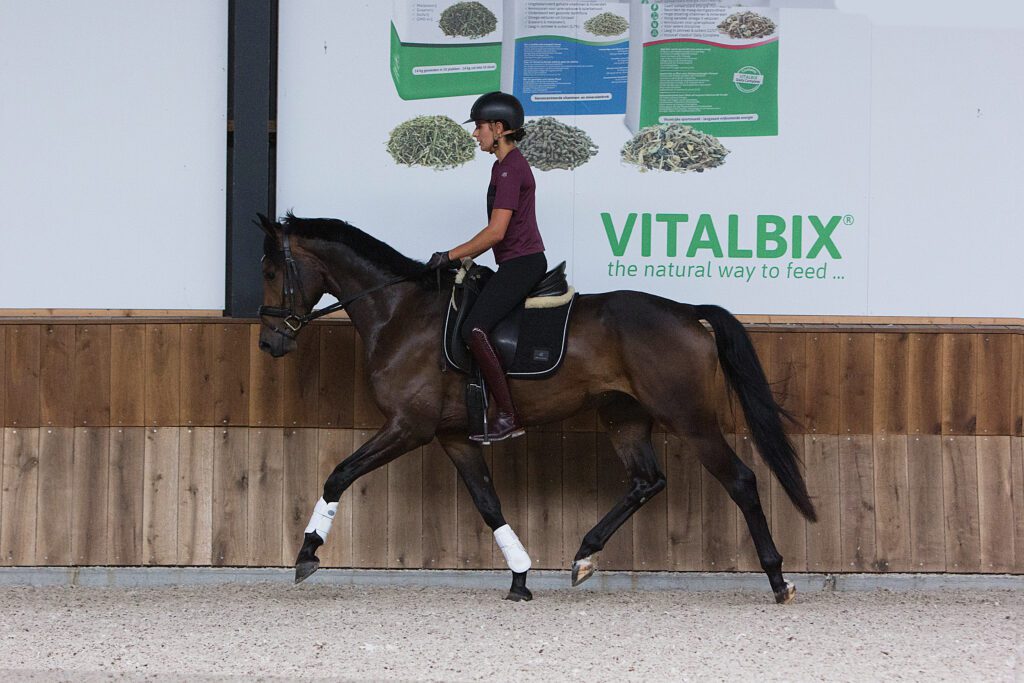
The primary difference between schooling and competition dressage lies in their objectives. Schooling, or training at home, focuses on the gradual development of the horse’s athletic abilities and the rider’s technique. It allows for experimentation, correction, and adaptation based on the horse’s needs and progress. Riders can repeat movements, adjust exercises, and address specific challenges without the pressure of time constraints or scoring.
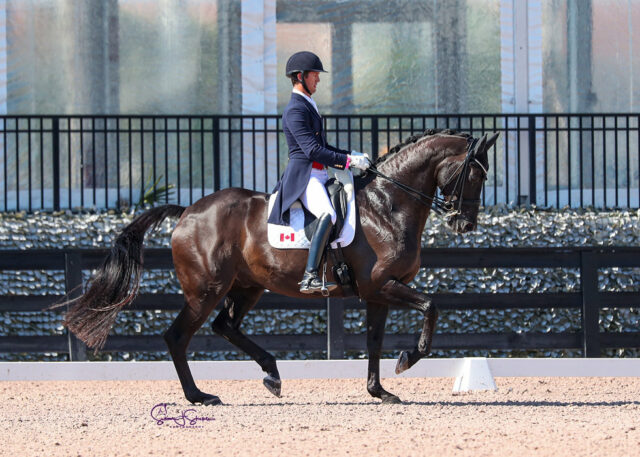
In contrast, competition dressage is about demonstrating the results of consistent training in a formal, regulated environment. Here, the rider and horse must perform a prescribed test from memory, adhering to strict rules regarding attire, tack, and arena etiquette. Each movement is judged for accuracy, fluidity, and harmony, with scores reflecting both technical execution and overall impression.
Environment and Atmosphere: Home Arena vs Showgrounds
One of the most noticeable contrasts is the setting. Schooling typically takes place in a familiar environment—your home arena, a local riding facility, or even an open field. The atmosphere is relaxed, distractions are minimal, and the rider controls the pace and structure of the session.
At a show, the environment changes dramatically. Competition venues are often bustling with activity: other horses, spectators, loudspeakers, and unfamiliar surroundings can all impact a horse’s focus and behavior. Riders must adapt quickly, managing nerves and helping their horses stay calm and attentive despite these new stimuli.
Rules, Attire, and Tack: What Sets Them Apart
Another significant difference between schooling and competition dressage involves regulations. During schooling, riders have flexibility in their choice of tack and attire. They may use training aids, schooling whips, or alternative bits as needed, provided these tools support the horse’s development and welfare.
In contrast, competitions enforce strict rules regarding equipment and dress. Riders must wear approved attire—typically a jacket, breeches, gloves, and helmet—and use only permitted tack. Training aids are not allowed in the show ring, and any deviation from the rules can result in penalties or disqualification. This formality ensures fairness and safety but also requires riders to prepare their horses to perform without extra support.
Rider and Horse Mindset: Flexibility vs Precision
At home, riders can adapt their approach based on how the horse feels on a given day. If a particular movement is challenging, it can be broken down into simpler steps or revisited later. The focus is on learning, patience, and gradual improvement.
In a competitive setting, there is no room for improvisation. The test must be performed as written, in the correct sequence, and within a set timeframe. Both rider and horse must be mentally prepared to execute each movement with precision, regardless of external distractions or minor mistakes. This shift in mindset—from flexible practice to focused performance—is a hallmark of progressing from schooling to competition.
Preparation and Warm-Up: Adapting to Each Context
Preparing for a schooling session is usually straightforward. Riders may spend more time on groundwork, stretching, or specific exercises tailored to their horse’s needs. The warm-up can be adjusted on the fly, and there is no pressure to stick to a rigid schedule.
Competition warm-up, however, is time-sensitive and strategic. Riders must plan their routine to ensure the horse is relaxed, attentive, and ready to perform at the scheduled test time. Over-warming or under-preparing can impact performance, so understanding your horse’s needs and managing time efficiently are crucial skills for success in the show ring.
Judging and Feedback: Self-Assessment vs Official Scores
During schooling, feedback comes from the rider’s own observations, a coach’s input, or video analysis. This allows for immediate correction and ongoing adjustment. The focus is on long-term progress rather than instant results.
In competition, feedback is formalized through scores and judges’ comments. Each movement is assessed according to established criteria, and the overall performance is ranked against other competitors. This provides valuable benchmarks and highlights areas for improvement, but it also introduces an element of subjectivity and external evaluation.
For those interested in exploring foundational principles that apply to both settings, the core priorities of dressage training offer insights into building a strong partnership and achieving harmony, regardless of context.
Transitioning from Practice to Performance
Moving from schooling to competition requires more than technical skill. Riders must develop strategies for managing nerves, preparing their horses for new environments, and adapting to the formalities of the show ring. This transition is smoother when schooling sessions occasionally mimic competition conditions—riding full tests, practicing in show attire, or introducing distractions to build confidence.
Consistency in training, attention to detail, and a willingness to learn from each experience are key to bridging the gap between daily practice and successful performance under pressure.
Common Challenges and How to Overcome Them
Riders often encounter challenges when shifting from home training to the show environment. Horses may become tense or distracted, and riders may feel added pressure to perform. Addressing these issues involves gradual exposure to new settings, building routines that foster relaxation, and focusing on clear communication.
Additionally, reviewing your equipment and ensuring it meets competition standards can prevent last-minute surprises. For more on safety and gear, articles like common equestrian helmet fitting mistakes can help riders avoid pitfalls that could impact both schooling and show-day performance.
FAQ: Schooling and Competition Dressage
What are the main goals of schooling dressage?
The primary aim of schooling is to develop the horse’s athleticism, responsiveness, and understanding of cues. It allows riders to address weaknesses, reinforce correct movement, and build a strong partnership without the constraints of formal rules or time limits.
How do competition requirements affect training at home?
Knowing what is expected in competition helps riders tailor their schooling sessions. Practicing test patterns, adhering to permitted tack, and simulating show conditions can help prepare both horse and rider for the demands of the arena.
Can schooling techniques be used during a dressage test?
While the foundation built during schooling is essential, riders cannot use training aids or make significant adjustments during a test. The goal is to demonstrate the horse’s training and the rider’s skill within the framework of competition rules.
How can riders reduce stress for their horses at shows?
Gradual exposure to new environments, consistent routines, and calm handling can help horses adjust to the excitement of competition. Practicing in different settings and maintaining a positive, patient approach are also beneficial.
Conclusion
Recognizing the difference between schooling and competition dressage is vital for any rider aiming to progress in the sport. By understanding the distinct goals, environments, and expectations of each context, equestrians can better prepare themselves and their horses for success. Whether refining skills at home or striving for top marks in the arena, a thoughtful approach to both training and performance will lead to greater confidence, harmony, and achievement in dressage.