

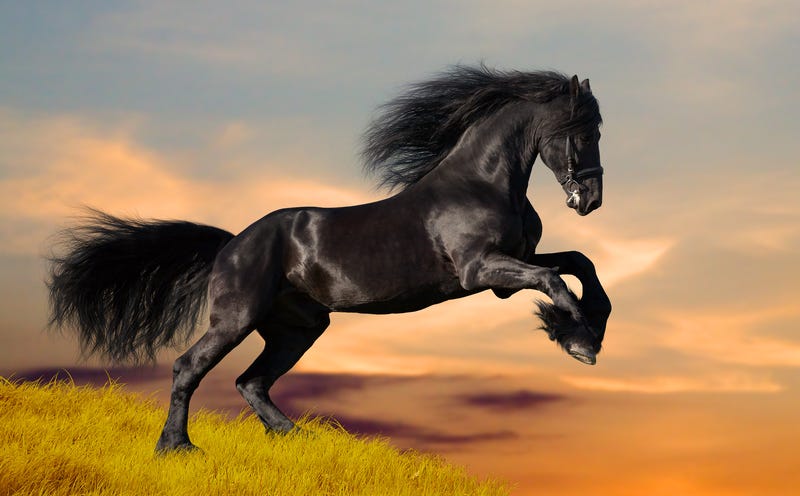
Friesian horses are known for their striking appearance, gentle temperament, and unique needs, especially during the warmer months. As temperatures rise, these majestic animals require attentive management to stay healthy and comfortable. Summer care for Friesian horses involves more than just basic grooming; it means understanding their specific vulnerabilities to heat and pests, and taking proactive steps to ensure their well-being.
Whether you’re a seasoned Friesian owner or new to the breed, it’s essential to adapt your routine as the seasons change. Their dense black coats, feathered legs, and sensitive skin make them particularly susceptible to overheating and insect irritation. By focusing on hydration, shelter, grooming, and pest prevention, you can help your Friesian thrive all summer long.
For those interested in learning more about the breed’s background and characteristics, the complete guide to Friesian horses offers a thorough overview. Understanding their history and unique traits is the first step toward providing optimal seasonal care.
Understanding the Unique Needs of Friesians in Summer
Friesians have a thick, dark coat and abundant feathering, which, while beautiful, can make them more prone to overheating and skin issues during hot weather. Their origins in cooler climates mean they’re less naturally adapted to high temperatures, so summer routines must be tailored to their physiology.
- Heat Sensitivity: Friesians absorb more sunlight due to their black coats, making them more susceptible to heat stress and sunburn.
- Feathered Legs: The long hair around their fetlocks can trap moisture and dirt, increasing the risk of skin infections and attracting pests.
- Skin Sensitivity: Their skin is prone to irritation from sweat, insects, and environmental allergens.
Recognizing these factors helps you anticipate challenges and implement effective strategies for summer care for Friesian horses.
Hydration and Nutrition: The Foundation of Warm-Weather Health
Proper hydration is critical during the summer months. Friesians, like all horses, need constant access to clean, cool water. Dehydration can quickly lead to serious health issues, including colic and heat exhaustion.
- Check water troughs and buckets multiple times a day, ensuring they’re clean and not too hot.
- Consider adding electrolytes to their feed or water during periods of intense heat or after exercise.
- Provide salt blocks to encourage adequate water intake.
Nutrition should also be adjusted for the season. While lush summer pastures offer plenty of grazing, monitor your Friesian’s weight and condition. Overconsumption of rich grass can lead to metabolic issues, so use grazing muzzles or limit turnout if necessary.
Providing Shade and Shelter for Friesians in Hot Weather
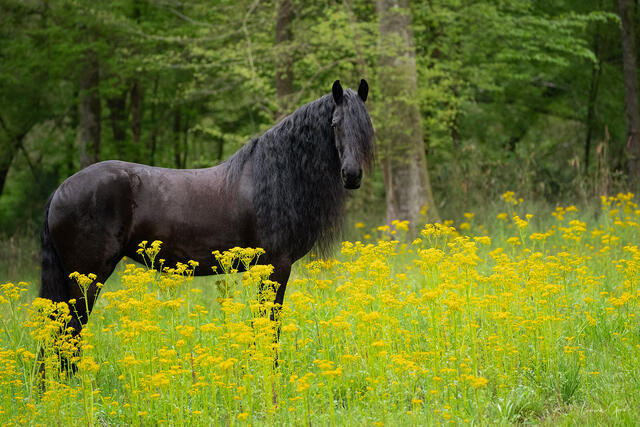
Access to shade is non-negotiable during the summer. Friesians should have the option to escape the sun at all times, whether in the pasture or the stable. Trees, run-in sheds, or well-ventilated barns are all suitable options.
- Ensure shelters are large enough for all horses in the field to use comfortably.
- Keep stables cool with fans or open windows to promote airflow, but avoid direct drafts.
- Turn horses out during cooler hours (early morning or late evening) and stable them during peak heat.
Regularly check for signs of heat stress, such as excessive sweating, rapid breathing, or lethargy. If you notice these symptoms, move your Friesian to a cooler area immediately and offer water.
Grooming and Skin Care: Managing Coat and Feathers
Consistent grooming is essential for Friesians in summer. Their thick manes, tails, and feathers can trap heat, sweat, and debris, making them more vulnerable to skin problems and pests.
- Brush daily to remove loose hair, dirt, and sweat, focusing on areas under tack and between the feathers.
- Wash legs and feathers regularly with mild shampoo to prevent mud fever and fungal infections.
- Dry feathers thoroughly after washing to avoid moisture buildup.
- Use detanglers and conditioners to keep manes and tails manageable and reduce breakage.
Investing in quality grooming tools and products can make a significant difference. For example, the Weaver Grooming Kit and Mane ‘n Tail Combo are popular choices among Friesian owners for maintaining a healthy, shiny coat.
Protecting Friesians from Summer Pests
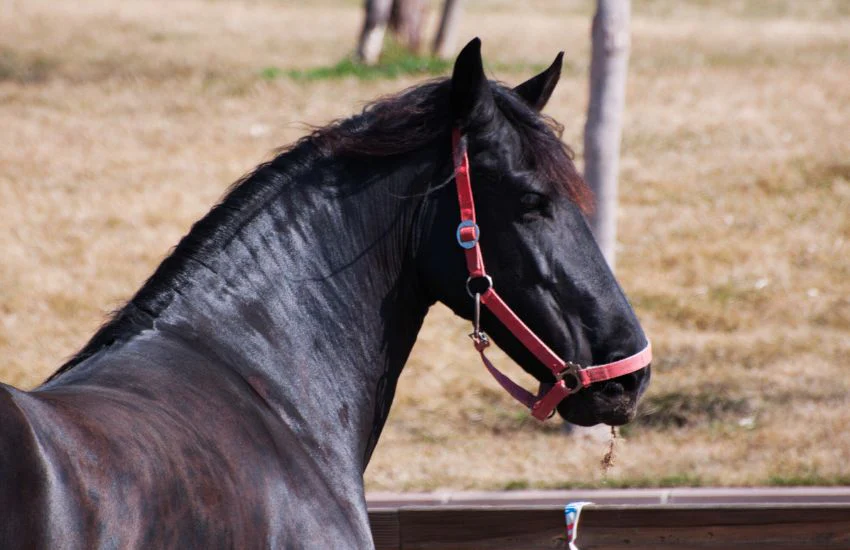
Insects such as flies, midges, and mosquitoes can cause significant discomfort and health problems for Friesians. Their sensitive skin and feathered legs make them prime targets for bites and irritations.
- Apply fly sprays and repellents daily, focusing on legs, belly, and neck.
- Use fly sheets, masks, and leg wraps to provide a physical barrier against pests.
- Keep stables and paddocks clean to reduce breeding grounds for insects.
- Install fans in stables to deter flying insects.
Monitor for signs of sweet itch, dermatitis, or allergic reactions. Early intervention is key to preventing more serious skin issues. For more on maintaining humane and effective care, see these horse welfare best practices.
Exercise and Workload Adjustments During Hot Months
Friesians are athletic and enjoy regular exercise, but their workload should be adjusted during periods of high heat and humidity. Overexertion can quickly lead to heat exhaustion or even heatstroke.
- Ride during the coolest parts of the day, such as early morning or late evening.
- Shorten sessions and allow for frequent breaks with access to water.
- Monitor your horse’s breathing, sweating, and overall demeanor during and after work.
- Cool down gradually after exercise, using water and walking to bring body temperature down safely.
Always err on the side of caution. If in doubt, postpone strenuous activities until conditions improve.
Recognizing and Responding to Signs of Heat Stress
Heat stress can escalate rapidly in Friesians. Being able to identify early warning signs is crucial for their safety:
- Heavy or irregular sweating
- Rapid or shallow breathing
- Elevated heart rate
- Lethargy or weakness
- Staggering or collapse
If you notice any of these symptoms, move your horse to a shaded, cool area immediately. Offer water, sponge down with cool (not icy) water, and contact your veterinarian if symptoms persist.
Additional Resources and Breed Information
For a deeper dive into the Friesian’s heritage and why their summer management is so important, explore this history of the Friesian horse. Understanding their background helps explain their unique needs and the importance of attentive seasonal care.
To further enhance your relationship and communication with your horse, consider reading about equine behavior and communication. Building a strong bond and recognizing subtle cues can make summer management more effective and enjoyable for both you and your Friesian.
Frequently Asked Questions
How can I prevent my Friesian from overheating in summer?
Provide constant access to shade and fresh water, limit exercise during the hottest parts of the day, and use fans or misters in stables if possible. Regular grooming helps remove excess hair and sweat, which can trap heat.
What are the best ways to protect Friesians from flies and other pests?
Daily application of fly repellents, use of fly sheets and masks, and maintaining clean stables are effective strategies. Pay special attention to feathered legs, as these areas are prone to irritation and insect bites.
How often should I groom my Friesian during summer?
Daily grooming is recommended. Focus on removing sweat, dirt, and debris from the coat and feathers. Regular washing of legs and thorough drying helps prevent skin infections and keeps your horse comfortable.
Are there specific signs of heat stress I should watch for?
Yes, look for heavy sweating, rapid breathing, lethargy, and a high heart rate. Immediate action is required if you notice these symptoms—move your horse to a cooler area, offer water, and contact your veterinarian if needed.
By staying attentive to your Friesian’s unique needs during the summer, you can help them stay healthy, comfortable, and happy all season long. Proactive management, regular grooming, and a keen eye for signs of distress are the keys to successful warm-weather care.