

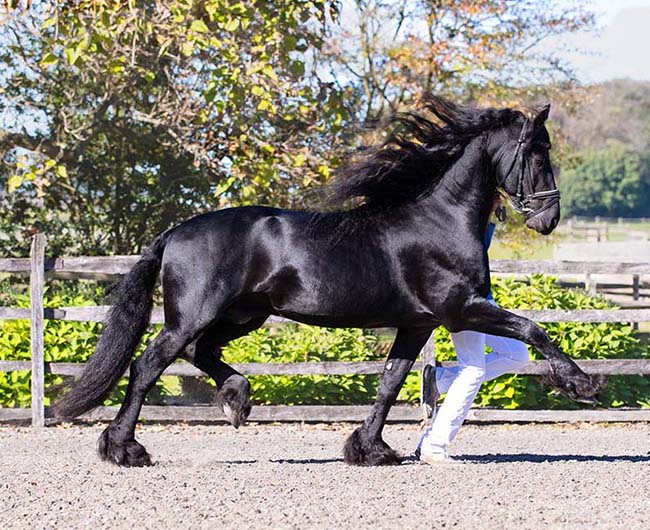
Friesian horses are admired for their striking appearance, athleticism, and gentle temperament. To maintain their beauty and performance, it’s essential to provide a balanced feeding plan tailored to their unique needs. Understanding the best diet for Friesian horses can help owners support their horses’ health, energy, and longevity.
These majestic horses have specific nutritional requirements due to their size, metabolism, and predisposition to certain health issues. Whether your Friesian is a leisure companion or a performance athlete, the right nutrition will help prevent common problems and keep them thriving. For a deeper dive into their history, temperament, and care, the complete guide to Friesian horses offers valuable background and context.
Understanding Friesian Horse Nutrition Needs
Friesians are a heavy, muscular breed with a slower metabolism compared to lighter horses. This means they are more prone to weight gain and metabolic disorders if overfed or given inappropriate feeds. Their dietary plan should focus on:
- High-fiber, low-starch forage as the foundation
- Controlled energy sources to prevent obesity
- Balanced vitamins and minerals
- Quality protein for muscle maintenance
- Consistent hydration and salt intake
Unlike some sport breeds, Friesians don’t typically require high-energy concentrates unless they are in intense work. Instead, their digestive system thrives on a diet rich in roughage and low in sugars and starches.
Key Components of the Best Diet for Friesian Horses
To design an optimal feeding program, consider the following essential elements:
Forage: The Cornerstone of Friesian Diets
Good-quality hay or pasture should make up the majority of a Friesian’s daily intake. Aim for at least 1.5%–2% of their body weight in forage per day. Timothy, orchard grass, and mixed grass hays are excellent choices. Alfalfa can be fed in moderation, but its higher protein and calcium content may not suit every Friesian, especially those prone to metabolic issues.
Pasture turnout is beneficial, but monitor grass intake during lush seasons to avoid excessive calorie consumption. Using slow feeders or grazing muzzles can help regulate intake if your horse is an easy keeper.
Concentrates and Grains: When Are They Needed?
Most Friesians in light to moderate work do not need large amounts of grain. If additional calories are required for performance or weight maintenance, choose low-starch, high-fiber commercial feeds formulated for easy keepers or draft breeds. Avoid sweet feeds and high-sugar mixes, as these can increase the risk of metabolic problems.
Look for feeds with added vitamins, minerals, and amino acids to support muscle development and overall health. Always introduce new feeds gradually to prevent digestive upset.
Vitamins, Minerals, and Supplements
Even with high-quality forage, Friesians may need additional minerals, especially if hay is sourced from regions with known deficiencies. A balanced vitamin and mineral supplement or ration balancer can help fill nutritional gaps. Pay particular attention to:
- Magnesium and selenium levels
- Vitamin E for muscle health
- Electrolytes during hot weather or heavy work
Consult with your veterinarian or equine nutritionist to assess your horse’s specific needs and avoid over-supplementation.
Hydration and Salt: Essential for Health and Performance
Fresh, clean water should always be available. Friesians can be prone to dehydration, especially in warm weather or after exercise. Providing free-choice plain salt or a mineralized salt block encourages adequate water intake and helps maintain electrolyte balance.
Monitor your horse’s water consumption, particularly during seasonal changes or stressful events, to prevent colic and other health issues.
Feeding Strategies for Friesian Horses in Different Life Stages
The nutritional needs of Friesians vary depending on age, workload, and health status. Here’s how to tailor their feeding plan:
Foals and Youngsters
Growing Friesians require higher protein and energy to support development. Feed a balanced growth formula and high-quality forage. Avoid overfeeding, as rapid growth can lead to orthopedic problems.
Adult Maintenance
For mature horses in light work, a forage-based diet with a ration balancer is usually sufficient. Monitor body condition regularly and adjust feed as needed to prevent obesity.
Performance and Breeding Horses
Horses in moderate to heavy work or breeding stock may need extra calories and protein. Choose feeds designed for performance horses, but avoid excessive starch. Supplement with fat sources like stabilized rice bran or flaxseed for safe energy.
Common Feeding Mistakes and How to Avoid Them
Owners sometimes make well-intentioned errors that can impact their Friesian’s health. Here are a few to watch for:
- Overfeeding grains or sweet feeds, leading to obesity and metabolic disorders
- Insufficient forage, causing digestive upset and behavioral issues
- Neglecting regular body condition scoring
- Ignoring the need for salt and water
- Failing to adjust the diet for seasonal changes or workload
Regularly assess your horse’s weight, muscle tone, and overall condition. Adjust rations as needed and consult with professionals for guidance.
Special Considerations for Friesian Horse Health
Friesians are predisposed to certain conditions, such as polysaccharide storage myopathy (PSSM), metabolic syndrome, and digestive sensitivities. Feeding a high-fiber, low-sugar diet with controlled starch intake can help minimize risks. For more on maintaining overall welfare, see the horse welfare best practices guide.
Regular dental care, parasite control, and turnout are also important components of a holistic care plan.
Additional Resources and Expert Guidance
For those seeking more breed-specific details, the Friesian horse breed profile provides further insights into their characteristics and care. Building a partnership with an equine nutritionist or veterinarian ensures your horse’s diet remains optimal as their needs evolve.
Understanding equine behavior and communication can also help you spot subtle signs of discomfort or dietary issues early on.
Frequently Asked Questions
What is the ideal hay type for Friesian horses?
Timothy, orchard grass, and mixed grass hays are generally best. Alfalfa can be used in moderation, but its high protein and calcium content may not suit all Friesians, especially those with metabolic concerns.
How much grain should a Friesian horse eat?
Most Friesians require little to no grain unless they are in heavy work or underweight. If concentrates are needed, choose low-starch, high-fiber options and introduce them gradually.
Do Friesian horses need supplements?
Supplements may be necessary if your forage lacks certain vitamins or minerals. A ration balancer or targeted supplement can help fill gaps, but always consult with a professional before adding new products to your horse’s diet.