

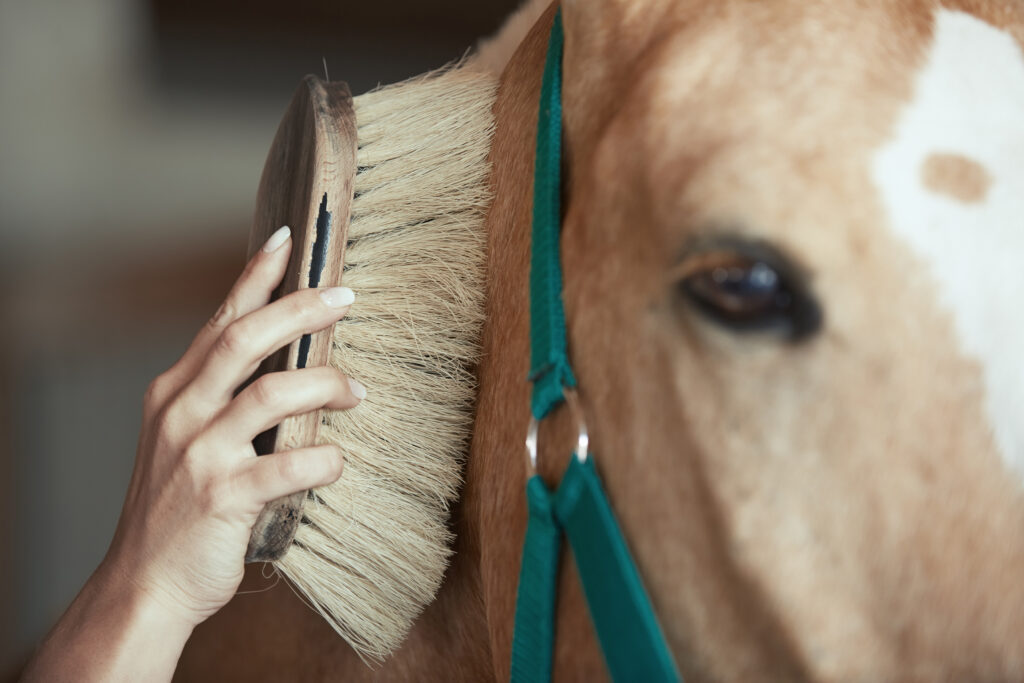
Keeping your horse’s skin and coat in top condition is about more than just appearance—it’s a vital part of their overall health and comfort. Horse grooming for healthy skin involves more than a quick brush; it’s a regular, attentive process that helps prevent skin issues, supports circulation, and builds trust between horse and handler. Whether you’re a new owner or an experienced equestrian, understanding the essentials of proper grooming can make a significant difference in your horse’s wellbeing.
Alongside daily care, it’s important to stay informed about other aspects of equine management. For example, choosing the right safety gear, such as helmets, is crucial for riders. If you’re interested in learning more about this, check out how to find the right riding helmet for your head shape for practical advice.
Why Regular Grooming Matters for Skin Health
Consistent grooming does much more than keep your horse looking polished. It’s a cornerstone of horse grooming for healthy skin because it:
- Removes dirt, sweat, and debris that can cause irritation or infection if left unchecked.
- Stimulates natural oils in the skin, which help maintain a shiny, protective coat.
- Promotes circulation through gentle massage, supporting skin regeneration and healing.
- Allows early detection of cuts, lumps, parasites, or skin conditions before they worsen.
Incorporating grooming into your daily routine also strengthens the bond with your horse, making them more comfortable with handling and reducing stress during vet visits or farrier appointments.
Essential Tools for Effective Horse Grooming
Having the right equipment is key to achieving optimal results when caring for your horse’s skin and coat. A well-stocked grooming kit should include:
- Curry comb – Loosens dirt, mud, and shedding hair while stimulating the skin.
- Dandy brush – Removes larger debris and dust from the coat’s surface.
- Body brush – Soft bristles for smoothing the coat and distributing oils.
- Mane and tail comb – Detangles hair without causing breakage.
- Hoof pick – Cleans hooves to prevent thrush and other hoof issues.
- Sponge or soft cloth – Wipes sensitive areas like the face and dock.
Quality tools not only make grooming more efficient but also reduce the risk of skin irritation. If you’re looking to upgrade your kit, consider investing in a comprehensive set designed for comfort and durability.
Step-by-Step Guide to Grooming for Healthy Skin
Following a consistent routine is essential for maintaining your horse’s skin and coat. Here’s a practical sequence to maximize the benefits:
- Secure your horse in a safe, quiet area using cross-ties or a lead rope.
- Start with a curry comb in circular motions to loosen dirt and stimulate the skin. Focus on large muscle areas and avoid bony or sensitive spots.
- Use a dandy brush to flick away the loosened debris, working in the direction of hair growth.
- Follow with a body brush to smooth the coat and distribute natural oils, which are vital for a glossy appearance and protective barrier.
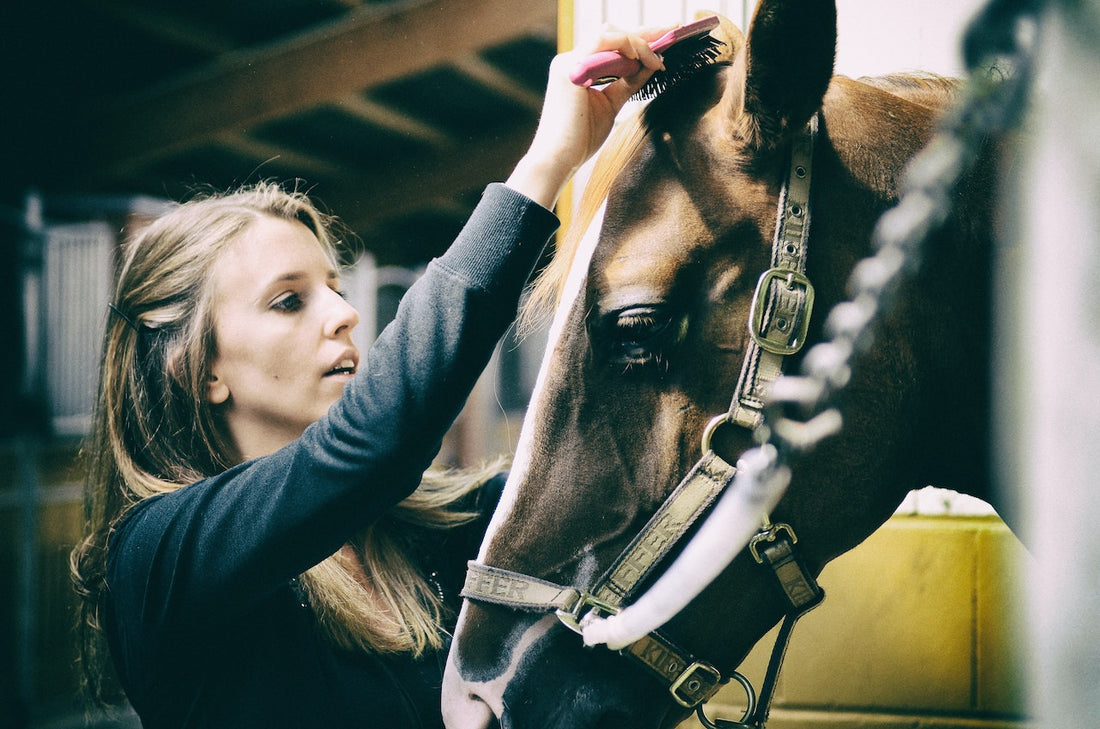
- Gently comb the mane and tail, starting from the ends and working upward to prevent breakage. Use detangler if needed.
- Clean the hooves with a hoof pick, checking for stones, cracks, or signs of thrush.
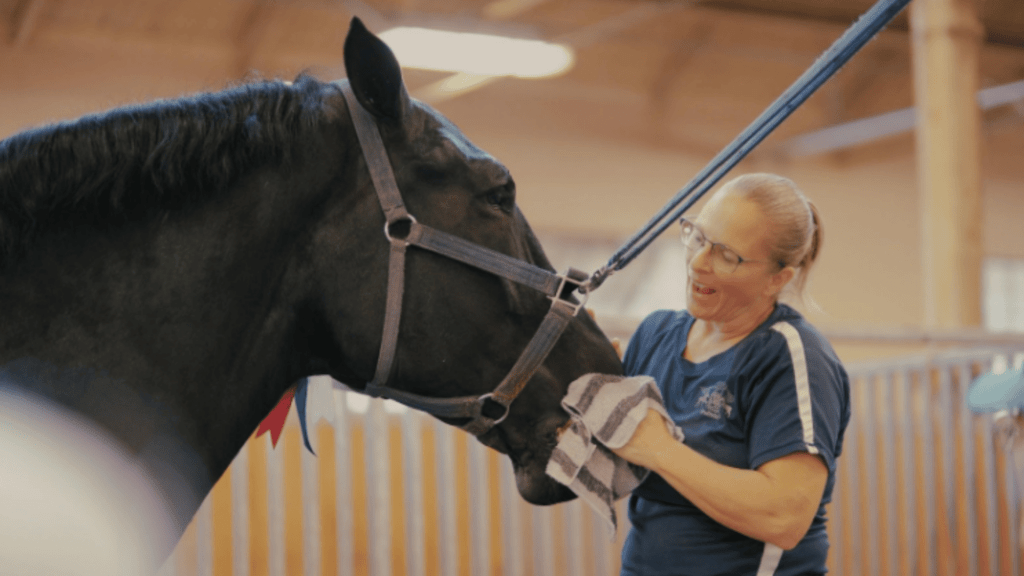
- Wipe sensitive areas like the face, ears, and dock with a damp sponge or soft cloth.
Always check for signs of skin irritation, parasites, or wounds during grooming. Early intervention can prevent minor issues from becoming serious problems.
Common Skin Issues and How Grooming Helps
Even with attentive care, horses can develop skin conditions. Some of the most frequent problems include:
- Rain rot – Caused by bacteria thriving in damp conditions. Regular grooming keeps the coat dry and allows early detection.
- Sweet itch – Allergic reaction to insect bites. Daily checks and cleaning help spot irritation before it worsens.
- Ringworm – Fungal infection that spreads quickly. Grooming tools should be disinfected to prevent transmission.
- Mud fever – Affects the lower legs in wet, muddy environments. Cleaning and drying legs after turnout reduces risk.
By making horse grooming for healthy skin a habit, you can catch these issues early, seek veterinary advice promptly, and minimize discomfort for your horse.
Tips for Seasonal Grooming Challenges
Different times of year bring unique grooming challenges. In spring and fall, horses shed their coats, requiring extra attention to remove loose hair and prevent matting. During summer, sweat and insects can irritate the skin, so daily grooming and fly protection are essential. In winter, thick coats may hide skin problems, so take extra care to part the hair and inspect the skin underneath.
Adjust your routine as needed, and always use gentle, appropriate tools for the season. For more advice on grooming basics, you might find this beginner’s guide to horse grooming helpful.
Building a Healthy Grooming Routine
Consistency is the foundation of effective grooming. Aim to brush your horse daily, even if only for a few minutes. This not only keeps their skin and coat in great shape but also provides valuable time to monitor their overall health and mood.
Remember, grooming is also an opportunity to check equipment fit, especially items like saddle pads and girths that can cause rubs or sores. If you’re interested in related topics, such as understanding the difference between UK and US riding standards, exploring these resources can further enhance your equestrian knowledge.
Frequently Asked Questions
How often should I groom my horse for optimal skin health?
Daily grooming is ideal for maintaining healthy skin and coat. Even a quick session helps remove dirt, distribute oils, and spot any developing issues early.
What should I do if I notice dandruff or flaky skin during grooming?
If you see dandruff, gently brush the area and consider using a moisturizing equine shampoo. Persistent flakiness may indicate a dietary issue or skin condition, so consult your veterinarian if it doesn’t improve.
Can I use human grooming products on my horse?
It’s best to stick with products specifically formulated for horses. Human shampoos and conditioners may disrupt the natural pH balance of your horse’s skin, potentially leading to irritation or dryness.
By making horse grooming for healthy skin a regular part of your care routine, you’ll help your horse look and feel their best year-round. With the right tools, techniques, and attention, you can prevent common skin problems and enjoy a stronger bond with your equine companion.