

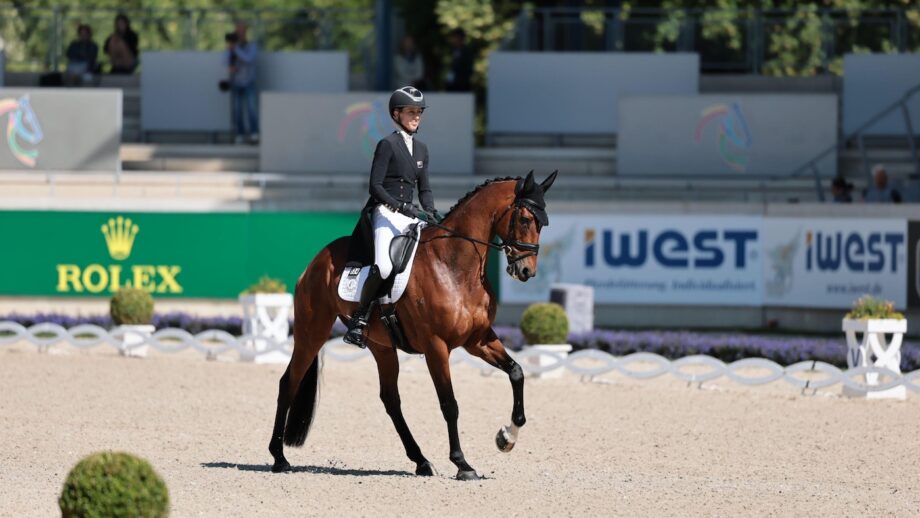
Dressage riders often face a key decision: should they practice in an indoor arena or take their training outside? Each environment brings its own set of advantages and challenges, influencing everything from a horse’s focus to a rider’s preparation for competition. Understanding the differences between these settings is essential for anyone aiming to improve their dressage performance and maximize their horse’s potential.
This guide explores the main contrasts between indoor and outdoor dressage training, highlighting how each setting impacts horse and rider development. We’ll discuss footing, weather, distractions, and practical considerations, helping you decide which environment best suits your goals. For those interested in broader equestrian safety, you might also want to learn how to find the right riding helmet for your head shape to ensure maximum protection during any type of training.
Key Differences Between Indoor and Outdoor Dressage Arenas
The choice between indoor and outdoor dressage training arenas can significantly affect your daily routine and long-term progress. Here’s a closer look at the most important distinctions:
- Footing Consistency: Indoor arenas typically offer more controlled and consistent footing, reducing the risk of slipping and injury. Outdoor arenas may be affected by rain, sun, and wind, which can alter the surface and impact performance.
- Weather Protection: Training indoors shields both horse and rider from harsh weather conditions, such as rain, snow, or extreme heat. Outdoor sessions, on the other hand, expose you to the elements, which can be both a challenge and a valuable learning experience for competition readiness.
- Distractions and Sensory Input: Indoor environments are generally quieter and less distracting, helping young or sensitive horses focus. Outdoor arenas introduce more sights, sounds, and smells, which can help desensitize horses and prepare them for real-world competitions.
- Space and Layout: Outdoor arenas often provide more space, allowing for larger patterns and more varied exercises. Indoor arenas may be limited in size, which can restrict certain movements or exercises.
Benefits of Practicing Dressage Indoors
Training in an indoor arena offers several advantages, especially for riders seeking consistency and safety. Here are some of the main benefits:
- Year-Round Accessibility: Indoor facilities allow for uninterrupted training regardless of the season. This is particularly important in regions with harsh winters or frequent rain.
- Controlled Environment: With fewer distractions and stable lighting, riders can focus on precise movements and technical skills. Horses that are easily spooked or in early stages of training often progress faster indoors.
- Consistent Footing: The surface in an indoor arena is less likely to be affected by weather, providing a safer and more predictable environment for both horse and rider.
Advantages of Outdoor Dressage Practice
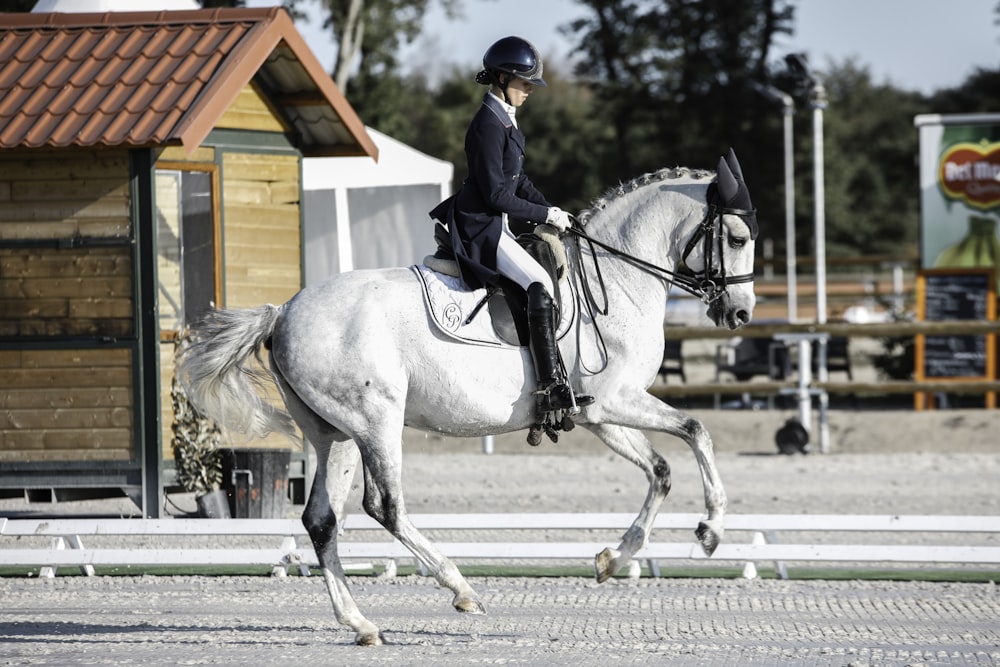
While indoor arenas offer predictability, outdoor dressage practice brings its own set of unique benefits. Many riders find that training outside better prepares them for real competition scenarios.
- Exposure to Real-World Conditions: Horses and riders become accustomed to wind, changing light, and unexpected noises. This exposure can help reduce anxiety and improve performance at outdoor shows.
- More Space for Movement: Outdoor arenas are often larger, allowing for extended gaits, bigger circles, and more creative training patterns.
- Variety and Stimulation: The changing environment keeps horses mentally engaged and helps prevent boredom. Riders can also incorporate natural obstacles and terrain into their routines.
For those new to the discipline, there are helpful discussions on how to start with dressage that can provide additional insights into beginning your journey, whether indoors or outdoors.
Challenges and Considerations for Each Training Environment
Both indoor and outdoor settings come with their own set of challenges. Understanding these can help you make informed decisions and adapt your training routine as needed.
Indoor Arena Limitations
- Space Constraints: Smaller arenas may limit the types of movements and exercises you can perform, especially at higher levels of dressage.
- Ventilation: Poor air circulation can make indoor arenas stuffy, especially in summer, potentially affecting both horse and rider comfort.
- Lighting: Artificial lighting may not perfectly replicate natural daylight, which can affect visibility and horse behavior.
Outdoor Arena Drawbacks
- Weather Dependency: Rain, snow, or extreme heat can make outdoor training impractical or even unsafe.
- Variable Footing: Outdoor surfaces are more susceptible to becoming muddy or uneven, increasing the risk of slips or injuries.
- Increased Distractions: Wildlife, vehicles, and other environmental factors can disrupt focus, especially for inexperienced horses.
How to Choose the Right Environment for Your Dressage Goals
Selecting between indoor and outdoor dressage training depends on your objectives, resources, and the specific needs of your horse. Here are some tips to guide your decision:
- Assess Your Horse’s Temperament: Nervous or young horses may benefit from the calm and controlled setting of an indoor arena, while seasoned competitors might thrive on the stimulation of outdoor environments.
- Consider Your Training Schedule: If you need to train year-round, access to an indoor facility is invaluable. For those who compete primarily outdoors, regular outdoor practice is essential for acclimatization.
- Balance Both Settings: Many riders find that alternating between indoor and outdoor sessions offers the best of both worlds—consistency and challenge, focus and adaptability.
If you’re interested in how safety gear can further support your training, you might also explore the importance of a secure helmet retention system for rider safety.
Frequently Asked Questions
Is it better to train dressage indoors or outdoors?
There’s no universal answer. Indoor training offers consistency and protection from the elements, making it ideal for technical work and young horses. Outdoor practice, however, helps horses and riders adapt to real-world distractions and weather, which is crucial for competition preparation. Many riders benefit from a mix of both environments.
How does arena footing affect dressage performance?
Footing plays a critical role in both safety and performance. Consistent, well-maintained surfaces—more common indoors—reduce the risk of slips and injuries. Outdoor footing can vary with weather, so regular maintenance and inspection are essential for optimal results.
What should I consider when preparing for an outdoor dressage competition?
Prepare your horse by gradually introducing them to outdoor conditions, including different weather, noises, and distractions. Practice in a variety of settings to build confidence. Don’t forget to check your equipment and consider using products like hoof balm to protect your horse’s feet on variable surfaces.
For more on equestrian standards and practices, you may find it useful to read about the difference between UK and US riding standards.