


Maintaining a horse’s skin and coat is a crucial part of equine care. Proper grooming not only keeps your horse looking its best but also plays a significant role in overall health and comfort. A consistent routine helps prevent skin issues, supports circulation, and strengthens the bond between horse and handler. This article explores practical horse grooming skin care strategies, from daily routines to specialized treatments, ensuring your horse stays healthy and comfortable year-round.
Before diving into the details, it’s important to recognize that grooming is more than just brushing. It’s an opportunity to inspect your horse for injuries, parasites, or early signs of skin problems. For those interested in other aspects of equine safety, learning how to find the right riding helmet for your head shape can further enhance your horse care routine.
Why Skin Care Matters in Horse Grooming
Healthy skin is the foundation of a shiny coat and a comfortable horse. The skin acts as a barrier against environmental hazards, parasites, and infections. Regular grooming stimulates natural oil production, which protects and nourishes the skin and hair. Neglecting horse grooming skin care can lead to issues such as dryness, dandruff, rain rot, or fungal infections, all of which can affect your horse’s well-being and performance.
Grooming also provides a chance to check for lumps, bumps, cuts, or swelling. Early detection of these issues allows for prompt treatment and prevents minor problems from becoming serious health concerns.
Essential Tools for Effective Grooming
Having the right equipment makes all the difference in maintaining your horse’s skin and coat. Here are some must-have tools:
- Curry comb: Loosens dirt, mud, and shedding hair while stimulating the skin.
- Dandy brush: Removes debris lifted by the curry comb and smooths the coat.
- Body brush: Soft bristles for sensitive areas and finishing touches.
- Mane and tail comb: Detangles without breaking hair.
- Hoof pick: Cleans hooves and checks for stones or injuries.
- Sponges and towels: Useful for cleaning faces, dock areas, and delicate spots.
Investing in a quality grooming kit ensures you have everything needed for daily and deep cleaning. For those looking to upgrade their supplies, consider the option to Buy Horse Grooming Kit for convenience and efficiency.
Daily Horse Grooming Skin Care Routine
Establishing a daily routine is essential for maintaining healthy skin and coat. Here’s a step-by-step approach:
- Start with the curry comb: Use circular motions to loosen dirt and stimulate the skin. Be gentle on bony areas and avoid sensitive spots.
- Follow with a dandy brush: Brush in the direction of hair growth to remove dirt and debris.
- Use a body brush: Smooth the coat and remove finer particles. Pay attention to the face, legs, and belly with a softer brush.
- Detangle mane and tail: Use a wide-tooth comb or fingers to prevent breakage. Apply a detangler if needed.
- Clean hooves: Pick out each hoof, checking for stones, thrush, or cracks.
- Wipe sensitive areas: Use a damp sponge or towel for the eyes, nostrils, and dock.
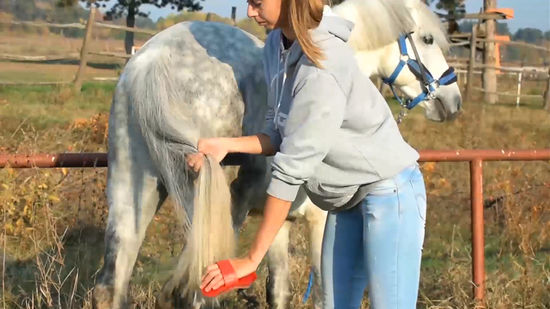
Consistency is key. Even a quick daily groom can prevent matting, skin irritation, and missed injuries. For more in-depth guidance, resources like this comprehensive horse grooming guide offer step-by-step advice.
Addressing Common Skin Issues in Horses
Despite the best efforts, horses may develop skin problems due to weather, parasites, or allergies. Recognizing and addressing these early is an important part of horse grooming skin care. Some common issues include:
- Rain rot: Caused by bacteria, it appears as scabby lesions, especially in wet conditions. Keep horses dry and use antibacterial shampoos if needed.
- Sweet itch: An allergic reaction to midge bites, resulting in intense itching and hair loss. Use fly sheets and topical treatments to manage symptoms.
- Ringworm: A fungal infection causing circular patches of hair loss. Disinfect grooming tools and treat with antifungal products.
- Dandruff and dry skin: Often due to infrequent grooming or harsh weather. Regular brushing and moisturizing sprays can help.
If you notice persistent or severe skin problems, consult a veterinarian for diagnosis and treatment recommendations. Early intervention can prevent discomfort and secondary infections.
Seasonal Adjustments for Skin and Coat Care
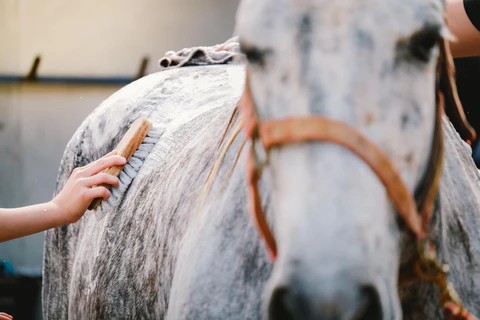
Changing seasons require adjustments to your grooming routine. In winter, horses may grow thick coats that trap dirt and sweat, making regular brushing essential. Avoid over-bathing, as it can strip natural oils and dry out the skin. Instead, use grooming blocks or dry shampoos for spot cleaning.
During warmer months, horses sweat more and are exposed to insects. Frequent grooming removes sweat and dirt, reducing the risk of skin irritation. Applying fly sprays and using fly sheets can help protect sensitive skin from bites and sunburn.
Always check for signs of discomfort or skin changes as the seasons shift. Adapting your approach ensures your horse remains comfortable and healthy throughout the year.
Best Practices for Preventing Skin Problems
Prevention is the best strategy for maintaining healthy skin. Here are some best practices to incorporate into your horse grooming skin care routine:
- Keep grooming tools clean: Wash brushes and combs regularly to prevent the spread of bacteria and fungi.
- Provide a balanced diet: Nutrition plays a vital role in skin and coat health. Ensure your horse receives adequate vitamins, minerals, and fatty acids.
- Maintain a clean environment: Regularly clean stalls, paddocks, and water troughs to reduce exposure to irritants and parasites.
- Monitor for allergies: Watch for signs of itching, hives, or hair loss, which may indicate an allergic reaction to bedding, feed, or insects.
- Limit exposure to harsh weather: Provide shelter from rain, wind, and sun to protect the skin from environmental stressors.
Consistently following these practices helps minimize the risk of skin issues and keeps your horse looking and feeling its best. For those interested in broader equine safety, understanding the importance of a secure helmet retention system is also valuable for overall horse and rider well-being.
Frequently Asked Questions
How often should I groom my horse for optimal skin health?
Daily grooming is ideal, especially during shedding seasons or when your horse is stabled. Regular brushing removes dirt, stimulates oil production, and allows you to check for injuries or skin issues.
What products are safe to use on sensitive horse skin?
Choose mild, horse-specific shampoos and conditioners. Avoid harsh chemicals and opt for natural moisturizers like aloe vera or coconut oil for dry patches. Always test new products on a small area first.
How can I prevent fungal and bacterial skin infections?
Keep your horse dry and clean, disinfect grooming tools regularly, and avoid sharing equipment between horses. Promptly treat any cuts or abrasions and consult a veterinarian if you notice signs of infection.
By following these practical horse grooming skin care tips, you can help your horse maintain a healthy, comfortable coat and skin year-round. Consistent care, attention to detail, and the right tools make all the difference in your horse’s well-being.