


Wearing a riding helmet is essential for equestrian safety, but the effectiveness of your helmet depends on more than just meeting safety standards—it must remain secure during movement and impact. Understanding how to test riding helmet stability is crucial for every rider, whether you’re a beginner or experienced. A helmet that shifts or comes loose can compromise protection, so learning the right way to assess fit and stability is a vital part of your riding routine.
This guide covers practical steps to evaluate helmet security, common mistakes to avoid, and why proper fit matters for both comfort and safety. You’ll also find tips for adjusting your helmet and advice on when to replace it. For those interested in broader helmet safety topics, you may also want to explore how to choose a helmet for eventing for additional insights on selecting the right gear for different riding disciplines.
Why Helmet Stability Matters for Equestrians
Helmet stability is not just about comfort—it’s a key factor in preventing head injuries. A helmet that moves excessively or tilts during riding may expose vulnerable areas of your head, reducing the level of protection in the event of a fall or collision. Even the best-certified helmet can fail to protect if it doesn’t stay in place.
Properly fitted helmets help distribute impact forces evenly, minimize rotational movement, and reduce the risk of the helmet coming off. This is why regularly checking your helmet’s stability is as important as inspecting it for visible damage. For more on helmet care, see our advice on how to check for cracks in a helmet shell.
Step-by-Step Guide: How to Test Riding Helmet Stability
To ensure your helmet offers reliable protection, follow these steps to check its stability:
-
Start with Proper Sizing
Before testing for stability, confirm that your helmet is the correct size. Use a soft measuring tape to measure the circumference of your head just above your eyebrows and ears. Compare this measurement to the manufacturer’s sizing chart. For detailed instructions, refer to this guide on measuring your head for a riding helmet. -
Put On the Helmet Correctly
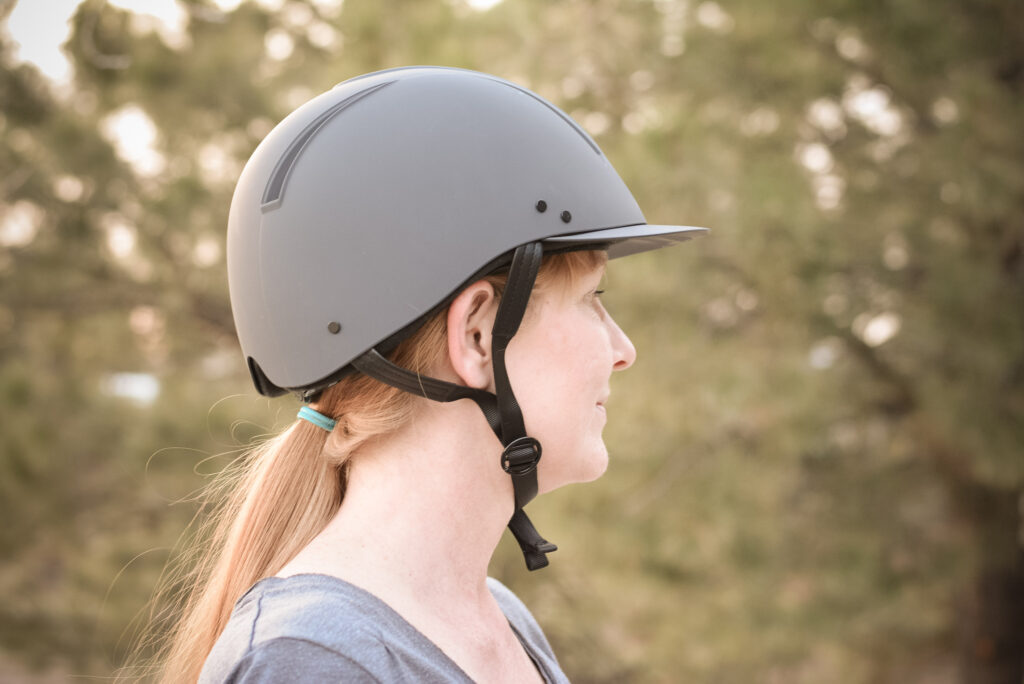
Place the helmet level on your head, ensuring it covers the forehead without tilting backward. Fasten the chin strap securely so that only one or two fingers can fit between the strap and your chin. -
Perform the Shake Test
With the helmet fastened, gently shake your head side to side and up and down. The helmet should move with your head and not slide independently. If it shifts or feels loose, adjust the fit or try a different size. -
Check for Pressure Points
A stable helmet should feel snug but not painfully tight. There should be even pressure all around your head without any pinching or gaps. -
Test the Retention System
Try to lift the helmet off your head from the back and front. The chin strap and harness should prevent it from moving significantly. If the helmet comes off or tilts, the retention system may need adjustment.
Common Mistakes When Checking Helmet Security
Many riders unintentionally compromise their safety by overlooking key aspects of helmet fit. Here are some frequent errors to avoid:
- Wearing the helmet too far back: This exposes the forehead and increases the risk of injury.
- Loose chin straps: If the strap is not snug, the helmet can shift or fall off during a fall.
- Ignoring manufacturer’s adjustment features: Many helmets have dial-fit systems or adjustable padding—use these to fine-tune the fit.
- Not rechecking fit after adjustments: Always repeat the shake and lift tests after making changes.
Adjusting Your Helmet for Maximum Stability
Most modern helmets come with features designed to help you achieve a secure fit. Here’s how to make the most of them:
- Dial-fit systems: Turn the dial at the back to tighten or loosen the helmet until it feels snug.
- Removable padding: Add or remove pads to customize the interior fit.
- Chin strap adjustment: Ensure the strap forms a “V” shape under your ears and sits flat against your jaw.
- Harness adjustment: Some helmets allow you to adjust the position of the harness for better stability.
After each adjustment, repeat the stability checks to confirm the helmet remains secure during movement.

When to Replace Your Riding Helmet
No matter how well you maintain your helmet, it won’t last forever. Here are signs it’s time for a replacement:
- After a fall or impact: Even if there’s no visible damage, the internal structure may be compromised.
- Visible cracks or dents: Any sign of damage means the helmet can no longer provide full protection.
- Worn straps or buckles: If the retention system is no longer secure, replace the helmet.
- Age: Most manufacturers recommend replacing helmets every 3–5 years, as materials degrade over time.
For tips on keeping your helmet in top condition, see our article on how to store a riding helmet in a tack room.
Additional Tips for Helmet Comfort and Safety
Beyond stability, comfort and hygiene are important for regular helmet use. Look for helmets with ventilation and moisture-wicking liners, and consider models with antimicrobial helmet treatments to reduce odor and bacteria buildup. Always follow the manufacturer’s care instructions to prolong the life of your helmet.
If you experience discomfort or headaches, reassess the fit or try a different helmet model. Sometimes, lighter helmets can improve comfort, especially for long rides—see our guide on how to evaluate helmet weight for neck comfort for more information.
FAQ: Riding Helmet Stability and Fit
How tight should a riding helmet feel?
A properly fitted helmet should feel snug all around your head without causing pain or pressure points. It should not move independently when you shake your head, but you should be able to wear it comfortably for extended periods.
What should I do if my helmet moves when I ride?
If your helmet shifts during riding, first check the chin strap and harness adjustments. If tightening these does not help, you may need a different size or a helmet with a different shape to better match your head.
Can I use extra padding to improve helmet stability?
Many helmets come with removable pads to fine-tune the fit. However, avoid using makeshift padding, as it can compromise safety. Always use manufacturer-approved accessories and ensure the helmet still passes all stability checks after adjustments.
How often should I test my helmet’s stability?
It’s a good idea to check your helmet’s fit and stability before every ride, especially if you share your helmet or have made adjustments. Regular checks ensure ongoing protection and comfort.