

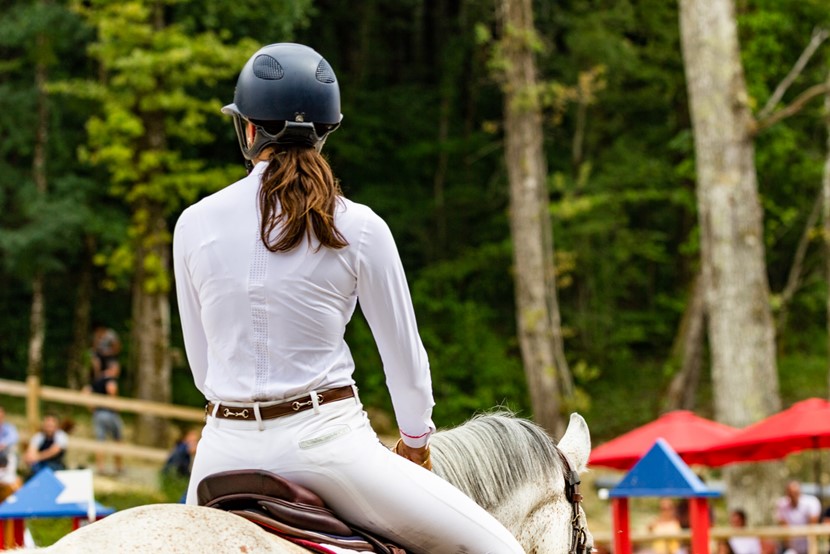
Playing polo is exhilarating, but it comes with significant risks. Selecting the right helmet is one of the most important decisions a rider can make to protect themselves from head injuries. This guide will walk you through the essential factors to consider, from safety certifications to fit and comfort, ensuring you make an informed choice for your next match. Understanding how to choose a helmet for polo is key to both your safety and performance on the field.
Before diving into the technical details, it’s helpful to compare your needs for polo with those for other equestrian sports. For example, if you also participate in eventing, you might find it useful to read about how to choose a helmet for eventing to understand the differences in safety requirements.
Key Safety Standards for Polo Helmets
When evaluating headgear for polo, the first thing to look for is compliance with recognized safety standards. Polo is a high-impact sport, so helmets must meet or exceed specific certifications to provide adequate protection. The most common certifications include:
- ASTM F1163 (American Society for Testing and Materials)
- SEI (Safety Equipment Institute)
- Kitemark (British Standards Institute, often PAS015 or VG1)
Helmets that carry these marks have undergone rigorous testing for impact absorption, penetration resistance, and retention system strength. Always check for a visible certification label inside the helmet before purchasing. This ensures that your helmet is designed to withstand the types of impacts common in polo, such as falls or being struck by a mallet or ball.
Understanding Impact Protection and MIPS Technology
Modern helmets are designed not only to absorb direct impacts but also to reduce rotational forces that can cause brain injuries. One of the most significant advancements in recent years is the introduction of Multi-directional Impact Protection System (MIPS). This technology allows the helmet to slide relative to the head, helping to reduce rotational motion transferred to the brain during angled impacts.
For a deeper dive into how this technology works and why it matters, you can explore the MIPS helmet safety system from a leading manufacturer. While MIPS is not mandatory, it is highly recommended for riders who want the latest in head protection.
Fit and Comfort: The Foundation of Helmet Safety
No matter how advanced a helmet’s safety features are, they are only effective if the helmet fits correctly. A poorly fitting helmet can shift during a fall, reducing its protective capabilities. Here are some tips to ensure a proper fit:
- Measure your head using a soft tape measure, placing it about one inch above your eyebrows and around the widest part of your head.
- Try on multiple sizes and brands as sizing can vary. The helmet should feel snug but not uncomfortably tight.
- Check for movement by shaking your head gently. The helmet should stay in place and not rock forward, backward, or side to side.
- Adjust the chin strap so it fits securely under your chin, allowing only two fingers between the strap and your skin.
Comfort is also crucial, especially during long matches. Look for helmets with adequate ventilation, moisture-wicking liners, and lightweight materials. If you are concerned about neck fatigue, consider reading about how to evaluate helmet weight for neck comfort to find a balance between protection and comfort.
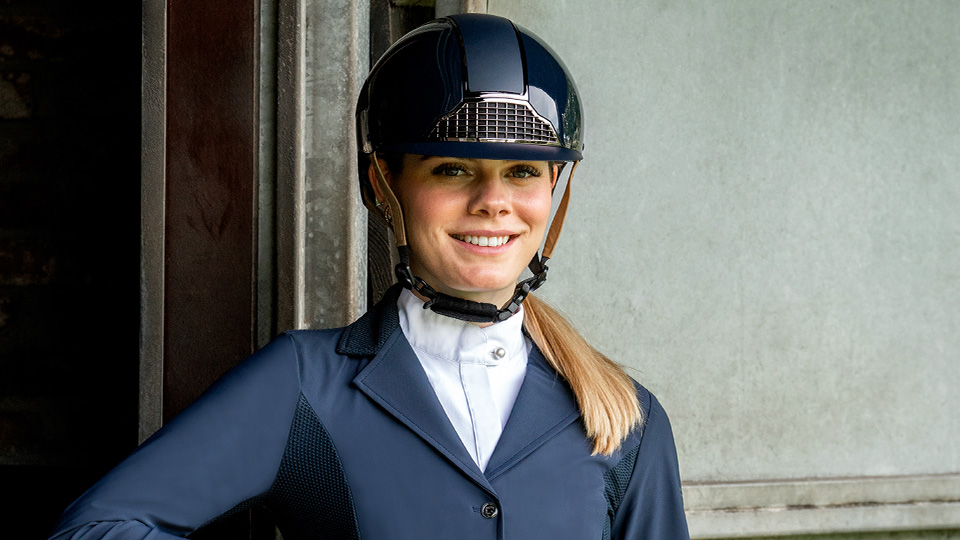
Durability and Maintenance for Polo Helmets
Polo helmets are exposed to sweat, dust, and sometimes rain, so durability and ease of maintenance are important considerations. Look for models with removable, washable liners and sturdy outer shells. Regular cleaning helps prevent odor and extends the life of your helmet.
Inspect your helmet frequently for signs of wear, such as cracks or dents. Even minor damage can compromise safety. For detailed inspection tips, refer to this guide on how to check for cracks in a helmet shell. If your helmet has been involved in a significant impact or shows visible damage, it should be replaced immediately.
Style and Customization: Balancing Looks with Safety
While safety is the top priority, many riders want a helmet that reflects their personal style. Polo helmets come in various colors and finishes, and some brands offer custom embroidery or team logos. However, never sacrifice safety features for aesthetics. Always ensure that any modifications or covers do not interfere with the helmet’s structural integrity or ventilation.
Some helmets offer antimicrobial treatments to keep them fresh over time. To learn more about the benefits, you might find this article on the benefits of antimicrobial helmet treatments helpful.

Proper Helmet Care and Storage
Maintaining your helmet is just as important as choosing the right one. Store your helmet in a cool, dry place away from direct sunlight and chemicals. Avoid hanging it by the chin strap, as this can distort the fit over time. For best practices on helmet storage, see these safety tips for storing a riding helmet.
Regularly check the fit and condition of your helmet, especially if you ride frequently. Replace your helmet every five years, or sooner if it has been impacted or shows signs of wear. Keeping your helmet in optimal condition ensures it will perform as intended when you need it most.
Frequently Asked Questions
What certifications should I look for in a polo helmet?
Look for helmets that meet ASTM F1163, SEI, or Kitemark standards. These certifications indicate the helmet has passed rigorous safety tests for impact and retention.
How often should I replace my polo helmet?
Helmets should be replaced every five years, or immediately after a significant impact or if you notice any cracks or damage. Regular inspection is essential for ongoing safety.
Is MIPS technology necessary for polo helmets?
While not required, MIPS technology adds an extra layer of protection by reducing rotational forces during angled impacts. It is highly recommended for riders seeking the latest in head protection.
Can I use a helmet designed for another equestrian sport in polo?
Some helmets are multi-discipline, but it’s important to ensure the helmet meets the specific safety standards for polo. Always check the manufacturer’s recommendations and certifications before using a helmet for polo.
How can I keep my helmet fresh and clean?
Choose a helmet with removable, washable liners and consider models with antimicrobial treatments. Clean your helmet regularly and store it properly to extend its lifespan and maintain hygiene.