


Finding the right helmet for hunter classes is a balance between honoring tradition and prioritizing safety. The hunter ring is known for its classic, understated style, but modern safety standards are non-negotiable. Riders need to select headgear that not only fits the traditional look but also meets current safety certifications. This guide will walk you through the essential factors to consider, from fit and appearance to certification and comfort, so you can confidently select the best helmet for your needs.
Understanding the unique requirements of hunter classes is key. The discipline values subtle, elegant turnout, which extends to helmet design. However, safety technology has evolved, and today’s helmets offer advanced protection without sacrificing the conservative aesthetic expected in the show ring. Whether you’re a seasoned competitor or new to the discipline, making an informed choice is crucial for both your safety and your presentation.
For those interested in how helmet selection varies across disciplines, you might also find value in reading about how to choose a helmet for eventing, which covers the unique demands of three-phase competition.
Understanding Hunter Class Helmet Expectations
Hunter classes are rooted in tradition, emphasizing a polished, conservative appearance. This extends to every detail of a rider’s turnout, including headgear. While safety is always the top priority, the helmet you choose should blend seamlessly with the classic attire expected in the hunter ring. Typically, this means a low-profile, matte black helmet without flashy logos or embellishments.
Judges in hunter classes look for a cohesive, understated look. Helmets with excessive ventilation holes, bright colors, or shiny finishes can detract from your overall presentation. Instead, opt for a model that is subtle and elegant, matching the rest of your show attire. Many brands now offer helmets designed specifically for the hunter ring, combining modern safety features with a traditional silhouette.
Key Safety Certifications and Standards
Regardless of style, a helmet must meet recognized safety standards. Look for certifications such as ASTM/SEI (American Society for Testing and Materials/Safety Equipment Institute) or equivalent standards in your region. These certifications indicate that the helmet has passed rigorous testing for impact resistance and retention system strength.
Never compromise on safety for the sake of appearance. The best helmets for hunter classes are those that combine a classic look with up-to-date protective technology. Check the label or manufacturer’s website to confirm certifications before purchasing. If you’re unsure about your helmet’s age or effectiveness, review how to check if a riding helmet is outdated for guidance on when to replace your gear.
Fit and Comfort: The Foundation of Helmet Selection
Proper fit is essential for both safety and comfort. A helmet that is too loose or too tight can fail to protect you in the event of a fall. To find your size, use a soft measuring tape to measure the circumference of your head just above your eyebrows and ears. Compare your measurement to the sizing chart provided by the helmet manufacturer.
For a step-by-step guide, consult instructions on measuring your head for a riding helmet. Once you have your measurement, try on several models. The helmet should feel snug but not uncomfortably tight, and it should not move when you shake your head. Adjustable harnesses and removable liners can help fine-tune the fit for all-day comfort.
Balancing Tradition and Modern Helmet Features
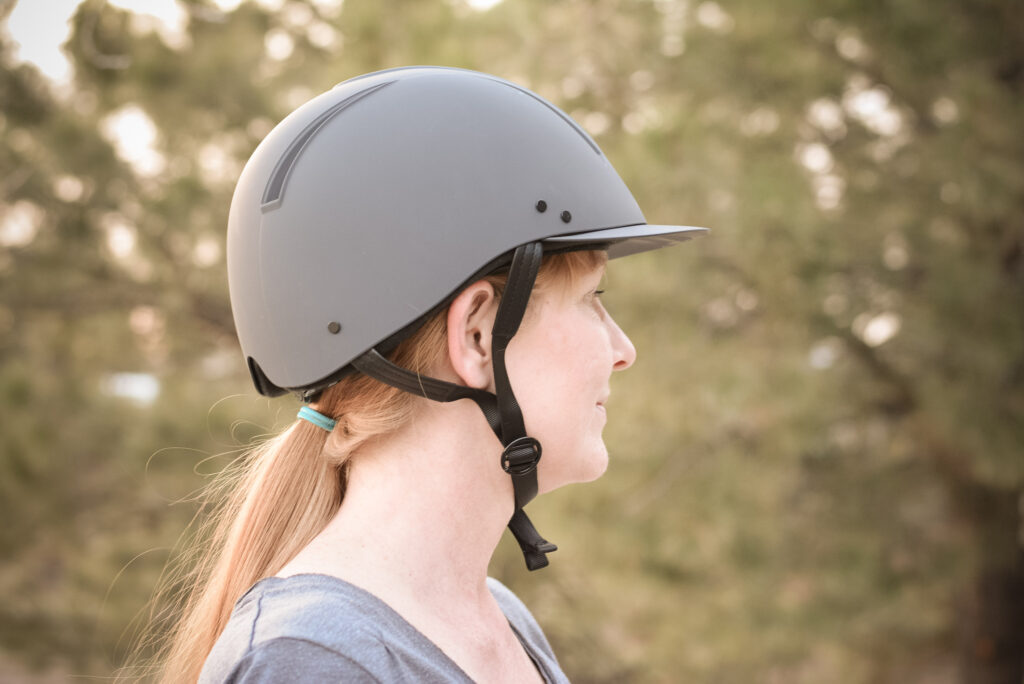
While tradition is important, today’s helmets offer features that enhance comfort and safety without compromising the classic look. Many models now include discreet ventilation channels, moisture-wicking liners, and lightweight materials. These improvements make it easier to stay cool and comfortable during long show days.
Some helmets also offer removable visors or low-profile brims, which are preferred in the hunter ring. If you’re concerned about visor safety, explore the importance of a breakaway visor to understand how modern designs can reduce injury risks while maintaining a traditional appearance.
Material and Construction Choices
The construction of your helmet affects both safety and comfort. Most modern helmets use a combination of a hard outer shell and an inner foam liner to absorb impact. There are two main types: molded and hardshell. Molded helmets are typically lighter and offer a sleeker profile, while hardshell helmets provide robust protection and durability. For a deeper dive into these differences, see the difference between molded and hardshell helmets.
When choosing, consider your personal preferences and how the helmet feels during extended wear. Some riders prefer the lighter weight of molded helmets, especially for juniors or those with neck sensitivity. Others prioritize the solid feel of a hardshell. Whichever you choose, ensure it meets safety standards and fits the traditional hunter aesthetic.

Ventilation, Weight, and Additional Comfort Features
Comfort is critical for performance and focus in the show ring. Look for helmets that offer adequate ventilation without drawing attention. Subtle vents placed along the sides or back can provide airflow while maintaining a traditional look. Interior padding should be breathable and moisture-wicking, helping you stay cool during summer shows.
Helmet weight can also affect comfort, especially during long classes or for younger riders. Lightweight models reduce neck fatigue and make it easier to maintain correct posture. For more on this topic, review how to evaluate helmet weight for better neck comfort.
Care, Maintenance, and Replacement
To ensure ongoing protection, helmets should be cared for properly and replaced as needed. Store your helmet in a cool, dry place away from direct sunlight. Clean the exterior with a damp cloth and follow the manufacturer’s instructions for washing removable liners. Avoid dropping your helmet or exposing it to harsh chemicals, as this can compromise its integrity.
Most manufacturers recommend replacing your helmet every five years, or immediately after a significant impact. Even if there are no visible signs of damage, the protective materials can degrade over time. Regularly inspect your helmet for cracks, loose padding, or other signs of wear.
Frequently Asked Questions
What makes a helmet suitable for hunter classes?
A suitable helmet for hunter classes combines a traditional, understated appearance with up-to-date safety certifications. It should be matte black, low-profile, and free from flashy decorations, while also meeting ASTM/SEI or equivalent standards.
How do I know if my helmet fits correctly?
Your helmet should fit snugly around your head without causing discomfort. It should not move when you shake your head, and the harness should be secure under your chin. Always measure your head and consult the manufacturer’s sizing chart for the best fit.
How often should I replace my riding helmet?
Helmets should be replaced every five years, or sooner if they have sustained an impact or show signs of damage. Even if a helmet looks fine on the outside, the protective materials can degrade over time, reducing effectiveness.