


Experiencing a fall or impact while riding can be unsettling, but knowing how to handle a riding helmet after a crash is crucial for your ongoing safety. Helmets are designed to absorb and dissipate the force of a blow, but their protective abilities can be compromised after a single incident. Taking the right steps immediately after an accident ensures that your headgear continues to provide the protection you need for future rides.
Many riders wonder whether their helmet is still safe to use after a fall or if it needs to be replaced. This guide will walk you through the key actions to take, how to assess potential damage, and what to do next to maintain your safety. If you’re also interested in choosing the right helmet for specific disciplines, you might find the article on how to choose a helmet for eventing helpful for understanding the nuances of helmet selection and care.
Why Immediate Action Matters After a Riding Helmet Impact
Equestrian helmets are engineered to absorb energy from a single impact. Even if the outer shell looks intact, the internal structure may be compromised, reducing its effectiveness in future incidents. Acting quickly and correctly after a fall helps prevent further risk and ensures you’re not unknowingly riding with inadequate protection.
Manufacturers and safety organizations recommend treating every significant impact as a potential reason to retire your helmet. This is because the foam liner inside, which is responsible for absorbing shock, can compress or crack invisibly. Continuing to use a helmet with hidden damage puts you at risk of serious injury in the event of another fall.
First Steps: What to Do With Your Helmet Immediately After a Fall
After any crash or fall, follow these steps to properly manage your riding helmet:
- Remove the helmet carefully and check yourself for injuries. If you suspect a head injury, seek medical attention before handling your gear.
- Inspect the helmet visually for obvious signs of damage such as cracks, dents, or a misshapen shell. Look for any loose or broken parts, including the harness and fastenings.
- Check the inner lining for compressed foam, splits, or areas that feel different from the rest of the helmet. Even minor changes can indicate a loss of protective capability.
- Do not use the helmet again until you are certain it is safe. If there is any doubt, err on the side of caution and retire the helmet.
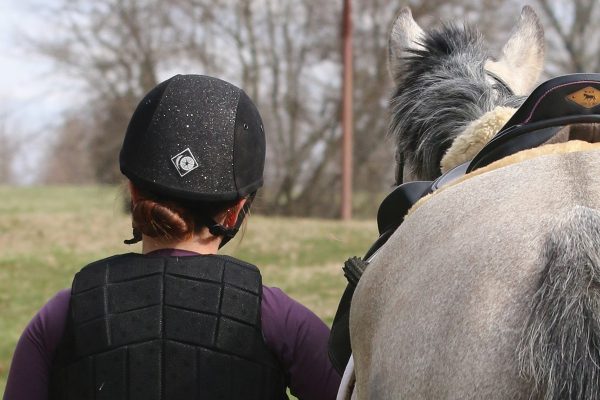
How to Assess Helmet Damage After a Riding Accident
Not all damage is visible to the naked eye. Here’s how to perform a more thorough assessment:
- Look for cracks or splits in the outer shell, especially around the area of impact.
- Press gently on the foam liner to feel for soft spots, compressed areas, or sections that move differently than the rest.
- Check the straps and fasteners for any stretching, tearing, or broken components.
- Listen for rattling when you gently shake the helmet, which could indicate loose internal parts.
If you notice any of these issues, the helmet should be replaced. Even if you don’t see damage, it’s best to consult the manufacturer’s guidelines or contact them directly for advice. Some brands offer inspection services or replacement discounts after a crash.
When to Replace Your Helmet After a Crash
As a general rule, you should replace your riding helmet after any significant impact. This includes falls where your head hits the ground, a jump pole, or any hard surface. Even a minor bump can compromise the helmet’s integrity. Most safety standards recommend retiring a helmet after a single impact, regardless of visible damage.
Helmets also have a limited lifespan, typically 3–5 years from the date of manufacture, even without a crash. If your helmet is older or has been involved in an accident, replacing it is the safest option. For more information on helmet technology and safety features, check out this detailed explanation of equestrian helmet safety systems.

Proper Disposal of Damaged Riding Helmets
Once you’ve determined that your helmet is no longer safe, it’s important to dispose of it correctly. Cut the straps to prevent anyone else from using it, and clearly mark it as unsafe. Some local recycling centers accept helmets, but many do not due to the mixed materials. If recycling isn’t available, dispose of the helmet in your regular trash after disabling it for reuse.
Never donate or sell a helmet that has been involved in a crash. Passing on compromised safety gear puts others at risk. Instead, use the opportunity to educate fellow riders about the importance of helmet replacement after a fall.
Tips for Preventing Helmet Damage and Staying Safe
While accidents can happen to any rider, there are steps you can take to prolong the life of your helmet and reduce the risk of injury:
- Store your helmet in a cool, dry place away from direct sunlight and extreme temperatures.
- Transport your helmet in a protective bag to prevent knocks and scratches.
- Clean your helmet regularly with mild soap and water, avoiding harsh chemicals that can degrade materials.
- Replace your helmet every 3–5 years or sooner if it’s involved in a fall or shows signs of wear.
- Consider helmets with advanced safety features, such as MIPS or updated padding systems. For more on helmet comfort, see this article on how to evaluate helmet weight for neck comfort.
Frequently Asked Questions
Can I keep using my helmet if there are no visible cracks after a fall?
Even if your helmet looks undamaged, internal foam or structural components may be compromised. It’s safest to replace your helmet after any significant impact, as its ability to protect you may be reduced.
How do I know if my helmet needs to be replaced?
If your helmet has been involved in a crash, shows signs of damage, or is more than 3–5 years old, it should be replaced. Always follow the manufacturer’s recommendations and err on the side of caution.
What should I do with a helmet that’s no longer safe?
Cut the straps to prevent reuse, mark it as unsafe, and dispose of it according to local guidelines. Do not donate or sell helmets that have been involved in an accident.
Conclusion
Taking the right steps with your riding helmet after a crash is essential for your safety. Always inspect your gear thoroughly, replace it if there is any doubt about its integrity, and follow best practices for care and disposal. Staying informed and proactive helps ensure that every ride is as safe as possible, whether you’re on the trail, in the arena, or competing. For further reading on helmet selection and safety, explore resources on choosing a helmet for trail riding and the benefits of high-visibility riding helmets.