

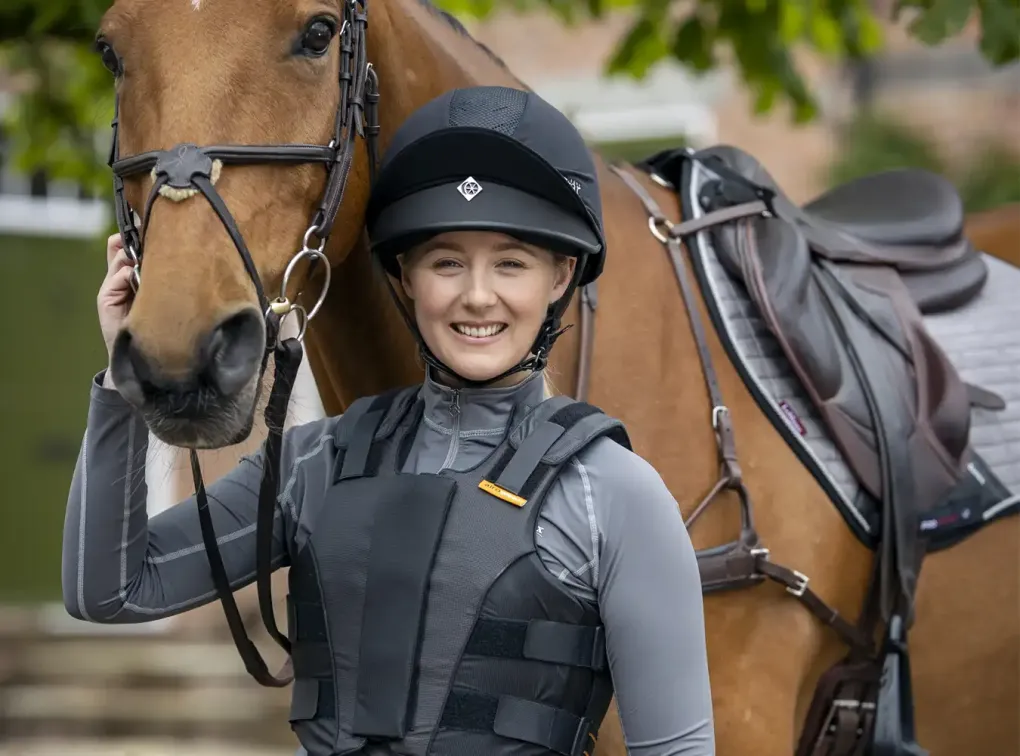
Staying safe on the road is a top priority for every equestrian. Whether you’re hacking out on country lanes or navigating busy urban streets, being seen by motorists and other road users is crucial. High-visibility riding helmets are designed to make riders more noticeable, reducing the risk of accidents and enhancing overall safety. This article explores the key advantages of these helmets, how they work, and why they’re becoming an essential part of modern equestrian gear.
Choosing the right helmet isn’t just about comfort or style—it’s about maximizing your protection and visibility in all conditions. For those interested in a deeper dive into helmet selection, our guide on how to choose a helmet for eventing offers valuable insights into safety features across disciplines.
Why Visibility Matters for Equestrians
Visibility is a critical factor in preventing road accidents involving horses and riders. Many incidents occur simply because drivers do not see riders in time to react. High-visibility riding helmets use bright colors and reflective materials to catch the eye, making it easier for motorists to spot you from a distance or in low-light conditions.
According to safety organizations, wearing high-visibility gear can reduce the likelihood of collisions by increasing your presence on the road. This is especially important at dawn, dusk, or during poor weather, when visibility is naturally reduced.
Key Features of High-Visibility Helmets
Modern helmets designed for visibility incorporate several innovative features:
- Fluorescent colors: Bright yellows, oranges, and greens stand out against most backgrounds, even in daylight.
- Reflective panels: These materials bounce light back towards its source, making the rider visible in headlights at night or in foggy conditions.
- Integrated lighting: Some advanced models include LED lights or reflective piping for additional visibility.
- Durable construction: These helmets meet the same safety standards as traditional models, ensuring both impact protection and enhanced visibility.
For those seeking helmets with advanced safety features, it’s worth exploring technologies like MIPS, which can be found in some high-visibility models. Learn more about this technology through this overview of MIPS helmet safety systems.
Enhanced Road Safety: Real-World Impact
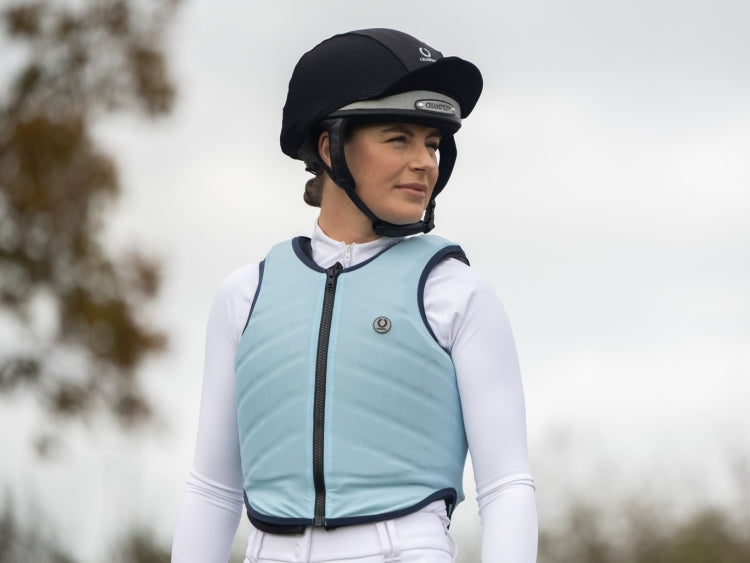
The most significant benefits of high-visibility riding helmets are seen in real-world scenarios. Riders who wear these helmets report feeling more confident and secure, especially when sharing roads with vehicles. Motorists are more likely to slow down and give space when they notice a rider from afar.
Several studies and anecdotal reports from equestrian communities highlight a reduction in near-misses and incidents when high-visibility gear is used. This added layer of safety is particularly valuable for children, novice riders, and anyone riding in areas with limited visibility.
Comparing Helmet Types and Visibility Options
Not all helmets offer the same level of visibility. Some are designed primarily for show or schooling, where appearance may take precedence over safety features like reflective materials. Understanding the difference between schooling and show helmets can help riders make informed choices based on their riding environment and safety needs.
For those who ride internationally or participate in multiple disciplines, checking safety certifications for international riding ensures your helmet meets the highest standards for both impact protection and visibility.

Choosing the Best High-Visibility Helmet for Your Needs
When selecting a helmet, consider the following factors to maximize both safety and comfort:
- Fit and comfort: A helmet should fit snugly without causing pressure points. Adjustable straps and padding can help achieve a secure fit.
- Weight: Lighter helmets reduce neck fatigue, especially on longer rides. For more information, see our article on how to evaluate helmet weight for neck comfort.
- Visibility features: Look for helmets with large fluorescent panels and high-quality reflective strips.
- Certification: Ensure your helmet meets current safety standards for equestrian use. Avoid using helmets designed for other sports, as explained in our guide on why bike helmets are unsafe for horse riding.
Trying on several models and consulting with knowledgeable retailers can help you find the ideal balance between visibility, protection, and comfort.
Additional Safety Tips for Riders
While high-visibility riding helmets are a major step forward, combining them with other safety practices further reduces risk:
- Wear a high-visibility vest or jacket in addition to your helmet.
- Use reflective leg bands or tail guards for your horse.
- Ride in daylight whenever possible and avoid poor weather conditions.
- Follow local traffic laws and signal your intentions clearly to drivers.
- Educate others in your riding group about the importance of visibility.
These simple steps, combined with the right helmet, can make a significant difference in your safety on the road.
Frequently Asked Questions
Are high-visibility helmets required by law?
In most regions, wearing a helmet is mandatory for riders under a certain age, but high-visibility features are generally not required by law. However, many safety organizations strongly recommend them for anyone riding on public roads due to their proven effectiveness in reducing accidents.
Can I add reflective tape to my existing helmet?
Yes, adding reflective tape or stickers is a practical way to enhance the visibility of a standard helmet. However, for maximum effectiveness and durability, helmets designed specifically with integrated high-visibility materials are preferable.
Do high-visibility helmets compromise on comfort or protection?
No, reputable manufacturers ensure that helmets with visibility features meet the same safety and comfort standards as traditional models. Look for products that are certified for equestrian use and offer adjustable fit systems.
Conclusion
Investing in a high-visibility riding helmet is a practical and effective way to improve your safety on the road. These helmets combine robust impact protection with features that make riders stand out in any environment. By choosing the right gear and following best practices, equestrians can enjoy their rides with greater confidence and peace of mind.