

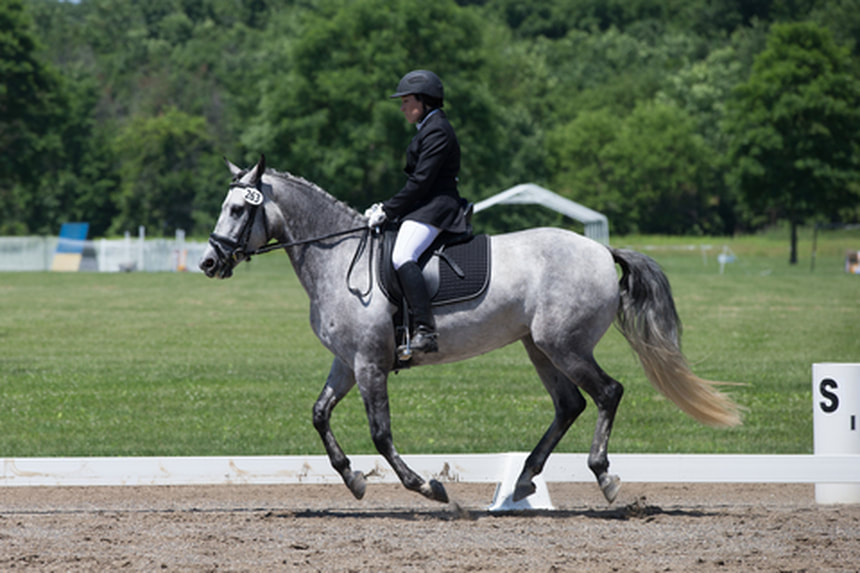
Dressage is a discipline that demands precision, harmony, and clear communication between horse and rider. One of the most significant factors influencing performance and progress in this sport is the choice and fit of tack. Understanding how tack affects dressage training is essential for riders at every level, from beginners to advanced competitors. The right equipment not only supports the horse’s comfort and movement but also enhances the rider’s ability to give subtle, effective aids.
Many riders focus on their own position and training techniques, but the impact of saddles, bridles, bits, and other gear is often underestimated. Well-chosen tack can make the difference between a horse that moves freely and willingly, and one that resists or develops tension. This article explores the crucial role of tack in dressage, offering practical guidance for selecting and fitting equipment to support both horse and rider.
Before diving into the specifics of tack and its influence on dressage, it’s important to remember that safety equipment is just as vital as performance gear. Riders interested in optimizing their safety can learn more about how to find the right riding helmet for your head shape, which complements the benefits of well-fitted tack for both horse and rider.
The Role of Saddles in Dressage Performance
The saddle is the primary point of contact between horse and rider. Its design, fit, and placement have a direct impact on the horse’s movement and the rider’s position. A properly fitted dressage saddle allows the horse to use its back correctly, encourages relaxation, and supports the development of self-carriage. Conversely, a poorly fitting saddle can cause discomfort, restrict movement, and lead to behavioral issues.
Key considerations for dressage saddles include:
- Tree Width and Shape: The saddle tree must match the horse’s back shape to distribute the rider’s weight evenly and avoid pressure points.
- Panel Contact: Panels should sit flush against the horse’s back without bridging or rocking, ensuring stability and comfort.
- Seat Depth and Balance: A deep, well-balanced seat helps the rider maintain a correct, upright position, which is essential for giving precise aids.
- Knee Rolls and Thigh Blocks: These features support the rider’s leg position, promoting a secure and effective seat.
Regular saddle checks are necessary, as horses’ shapes can change with age, training, or condition. Professional saddle fitting services are highly recommended to ensure ongoing comfort and performance.
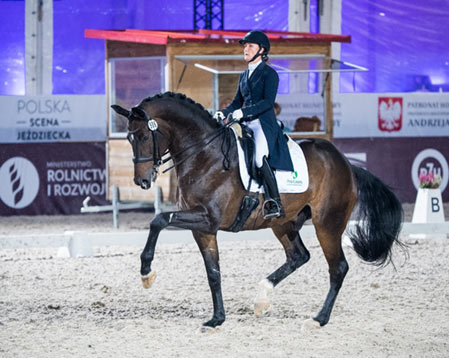
Bridles, Bits, and Communication
The bridle and bit are essential tools for communication in dressage. The right combination allows the rider to give clear, subtle signals while enabling the horse to remain relaxed and responsive. When considering how tack affects dressage training, the choice of bridle and bit is just as important as the saddle.
Important factors include:
- Fit of the Bridle: A well-fitted bridle avoids pinching or rubbing and allows the horse to move its jaw and poll freely.
- Type of Bit: Dressage rules specify which bits are permitted, but within those guidelines, the best choice depends on the horse’s mouth conformation and training level. Gentle, well-balanced bits encourage acceptance and relaxation.
- Rein Attachments: The way reins attach and the materials used can influence the feel and clarity of the rider’s aids.
Regularly checking for signs of discomfort, such as head tossing, resistance, or sores, helps ensure that the bridle and bit are supporting, not hindering, training progress.
Influence of Additional Tack on Dressage Training
Beyond saddles and bridles, other pieces of equipment can play a role in dressage. Girths, saddle pads, boots, and auxiliary reins (such as side reins or lunging aids) all have the potential to affect the horse’s way of going.
For example:
- Girths: Anatomically shaped girths can reduce pressure behind the elbows and encourage freer movement, while poorly designed girths may cause discomfort or restrict breathing.
- Saddle Pads: The right pad can provide cushioning and wick away moisture, but excessive padding can alter saddle fit and stability.
- Leg Protection: Boots and wraps protect against interference but should not impede joint movement or cause overheating.
- Training Aids: When used correctly, tools like side reins can help develop straightness and contact, but misuse can create resistance or tension.
It’s important to assess each piece of tack for its necessity and fit, always prioritizing the horse’s comfort and freedom of movement.
Common Tack-Related Issues in Dressage
Even with careful selection, tack can sometimes cause problems that hinder dressage progress. Some common issues include:
- Saddle Slipping: This can indicate poor fit, uneven muscle development, or incorrect girthing. It affects rider balance and horse confidence.
- Pinching or Rubbing: Ill-fitting bridles, girths, or boots can cause sores, leading to resistance or behavioral changes.
- Restricted Movement: Overly tight tack or excessive padding can prevent the horse from moving freely, reducing the quality of gaits and transitions.
- Behavioral Signs: Bucking, head shaking, tail swishing, or reluctance to go forward may signal discomfort caused by tack.
Addressing these issues promptly, with the help of a qualified saddle fitter or equine professional, is essential for maintaining progress and the horse’s well-being.
Optimizing Tack for Horse and Rider
To get the most out of dressage schooling, both horse and rider must feel comfortable and secure. Here are some practical steps for optimizing tack:
- Have all tack professionally fitted and checked regularly, especially after changes in the horse’s condition or workload.
- Choose equipment that matches the horse’s conformation and the rider’s needs, rather than following trends or brand loyalty.
- Monitor the horse’s behavior and performance for signs of discomfort or resistance.
- Keep tack clean and in good repair to prevent chafing and ensure longevity.
- Stay informed about dressage rules regarding permitted tack, as these can vary by level and organization.
For those just starting out in dressage, community resources such as this discussion on beginning dressage can provide valuable insights and peer support.
Integrating Safety and Performance in Dressage
While optimizing tack for performance is crucial, safety should never be overlooked. Alongside regular tack checks, riders should ensure their own safety gear is up to standard. For example, understanding the importance of a secure helmet retention system is a key aspect of safe riding, especially during intensive training sessions.
Balancing safety and performance leads to a more enjoyable and productive dressage experience for both horse and rider.
Frequently Asked Questions
How often should tack be checked for fit in dressage?
Tack should be checked at least every six months, or more frequently if the horse’s condition changes, such as after a growth spurt, weight change, or increase in training intensity. Regular checks help prevent discomfort and performance issues.
Can the wrong tack cause behavioral problems in dressage horses?
Yes, ill-fitting or inappropriate tack can lead to discomfort, pain, and behavioral issues such as resistance, bucking, or reluctance to move forward. Addressing tack fit is often the first step in resolving such problems.
What are the key signs that a saddle does not fit correctly?
Signs of poor saddle fit include uneven sweat patterns, white hairs or rub marks, soreness along the back, saddle slipping, and changes in the horse’s movement or attitude. A professional saddle fitter can help diagnose and resolve these issues.
Is it necessary to use specialized dressage tack for beginners?
While specialized dressage saddles and bridles can enhance performance, beginners can start with well-fitting, general-purpose tack as long as it is comfortable and safe for both horse and rider. As skills progress, investing in discipline-specific gear becomes more important.
Conclusion
The influence of tack on dressage schooling is profound. From saddles and bridles to girths and pads, every piece of equipment plays a role in the comfort, communication, and performance of horse and rider. By prioritizing fit, comfort, and regular maintenance, riders can support their horse’s development and enjoy a more harmonious partnership in the arena. For those interested in further optimizing their riding experience, exploring topics like the difference between UK and US riding standards can provide additional context and guidance.