

Regular grooming is essential for every horse’s health and comfort, but it’s also a crucial opportunity to check for injuries, irritations, or early signs of health problems. A thorough horse grooming injury inspection helps catch minor issues before they become major setbacks, supporting both the horse’s well-being and the rider’s peace of mind. Whether you’re new to horse care or looking to improve your daily routine, understanding how to spot and respond to injuries during grooming is a valuable skill.
In this article, we’ll break down the step-by-step process of inspecting your horse for injuries while grooming, highlight common problem areas, and share practical tips for keeping your horse safe and healthy. For those interested in broader equestrian safety, you may also want to read about how to find the right riding helmet for your head shape.

Why Injury Checks Matter During Grooming
Grooming is more than just keeping your horse clean and presentable. Each session is a chance to perform a hands-on horse grooming injury inspection. Early detection of cuts, swelling, heat, or lameness can prevent complications and costly veterinary bills. Horses are prone to minor scrapes, insect bites, and hoof problems, all of which can escalate if missed.
By making injury checks a routine part of grooming, you’ll not only improve your horse’s comfort but also strengthen your bond through attentive care. This proactive approach is recommended by equine professionals and is considered best practice in responsible horse ownership.
Preparing for a Thorough Grooming and Safety Check
Before you begin, gather all necessary grooming tools, such as curry combs, body brushes, hoof picks, and clean towels. Having a horse grooming kit ready ensures you can focus on your horse without interruptions. If you need to upgrade your supplies, consider investing in a quality set to make the process smoother and more effective.
Choose a well-lit, calm area where your horse feels secure. Approach your horse quietly, observing their demeanor for any signs of discomfort or agitation, which could indicate underlying pain or injury.
Step-by-Step Horse Grooming Injury Inspection Process
- Observe Before Touching: Watch your horse’s posture, gait, and attitude as you approach. Look for signs of lameness, reluctance to move, or abnormal behavior.
- Head and Face: Check the eyes for discharge or cloudiness, ears for cuts or ticks, and nostrils for unusual drainage. Gently feel along the jaw and poll for swelling or tenderness.
- Neck and Shoulders: Run your hands along the neck and shoulders, feeling for bumps, heat, or sensitivity. Pay attention to any reaction when you touch these areas.
- Back and Barrel: Use a soft brush to groom the back, watching for flinching or muscle spasms. Inspect the skin for bald patches, scabs, or insect bites.
- Legs and Joints: Carefully examine each leg from top to hoof. Feel for swelling, heat, or cuts, especially around joints and tendons. Flex the joints gently to check for stiffness or pain.
- Hooves: Pick up each hoof and use a hoof pick to clean out debris. Look for cracks, punctures, or foul odors, which may indicate thrush or abscesses.
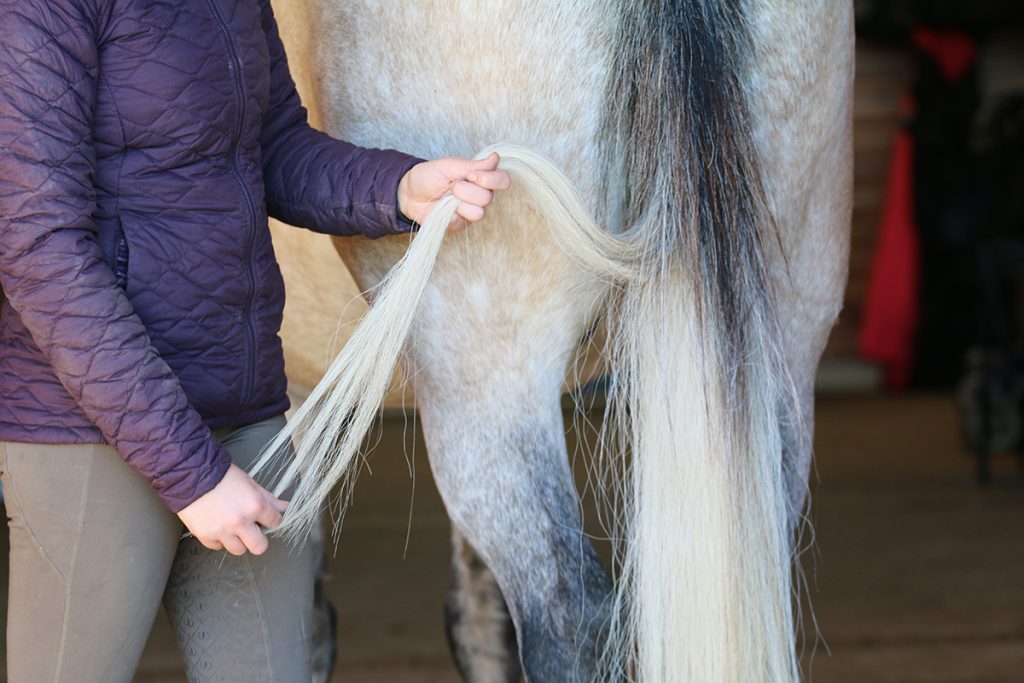
- Tail and Hindquarters: Brush the tail and inspect the dock for sores or parasites. Check the hindquarters for muscle symmetry and any signs of injury.
- Underside and Girth Area: Don’t forget to check under the belly and around the girth for rubs, sores, or insect bites—especially important for horses in regular work.
Common Injuries and Warning Signs to Watch For
- Cuts and Abrasions: Even minor wounds can become infected if not cleaned and treated promptly.
- Swelling or Heat: Localized warmth or puffiness often signals inflammation or injury.
- Lameness: Any unevenness in gait, reluctance to bear weight, or abnormal movement should be investigated further.
- Skin Issues: Bald spots, scabs, or excessive dandruff may indicate parasites, fungal infections, or allergies.
- Hoof Problems: Cracks, foul smells, or sensitivity in the hoof can signal thrush, abscesses, or laminitis.
What to Do If You Find an Injury
If you discover a wound, swelling, or any abnormality during your horse grooming injury inspection, assess the severity. For minor cuts or scrapes, clean the area with saline or an appropriate antiseptic and monitor for signs of infection. For swelling, apply cold therapy and consult your veterinarian if it persists.
More serious issues—such as deep wounds, significant lameness, or signs of systemic illness—require immediate veterinary attention. Document your findings and communicate clearly with your vet to ensure prompt and effective treatment.
Tips for Preventing Injuries During Grooming
- Use Proper Tools: Ensure your grooming kit is clean and in good condition to avoid accidental scratches or irritation.
- Stay Attentive: Always pay attention to your horse’s reactions. Sudden movements or flinching can indicate discomfort or pain.
- Maintain a Safe Environment: Groom in a clutter-free, well-lit area to minimize the risk of accidents for both you and your horse.
- Educate Yourself: Learn more about grooming best practices from reputable sources, such as this step-by-step guide to horse grooming.
Integrating Injury Checks Into Your Routine
Making injury inspections a habit during grooming sessions doesn’t require extra time—just a shift in focus. By combining cleaning with a systematic check for injuries, you’ll quickly become familiar with your horse’s normal condition and spot changes early.
This approach not only improves your horse’s health but also helps you become a more observant and confident handler. For those interested in other aspects of equestrian safety, understanding the importance of a secure helmet retention system is another key topic to explore.
Frequently Asked Questions
How often should I check my horse for injuries during grooming?
It’s best to perform a horse grooming injury inspection every time you groom your horse. Daily checks help you catch issues early and keep your horse comfortable and healthy.
What are the most common injuries found during grooming?
The most frequent problems include minor cuts, scrapes, swelling, hoof cracks, and skin irritations. Early detection and treatment can prevent these from developing into serious health concerns.
What should I do if my horse resists being touched in a certain area?
Resistance or sensitivity in a specific area may indicate pain or injury. Gently inspect the area for visible signs of trouble, and if the horse remains uncomfortable, consult your veterinarian for a thorough examination.
Are there resources for learning more about safe grooming practices?
Yes, there are many reputable guides and resources available online. For a detailed overview, see this comprehensive horse grooming guide.