

Choosing the right helmet is a crucial decision for every equestrian. The difference between low profile and traditional helmets goes beyond just appearance—each design offers distinct advantages in terms of comfort, safety, and style. Whether you’re a casual rider or a competitive athlete, understanding these differences can help you make an informed choice that prioritizes both protection and personal preference.
Before diving into the specific features and benefits of each helmet type, it’s helpful to consider how helmet fit and safety standards play a role in your decision. If you’re unsure about sizing or head shape, you may want to consult our guide on how to find the right riding helmet for your head shape for practical tips.
Understanding Helmet Profiles: What Sets Them Apart?
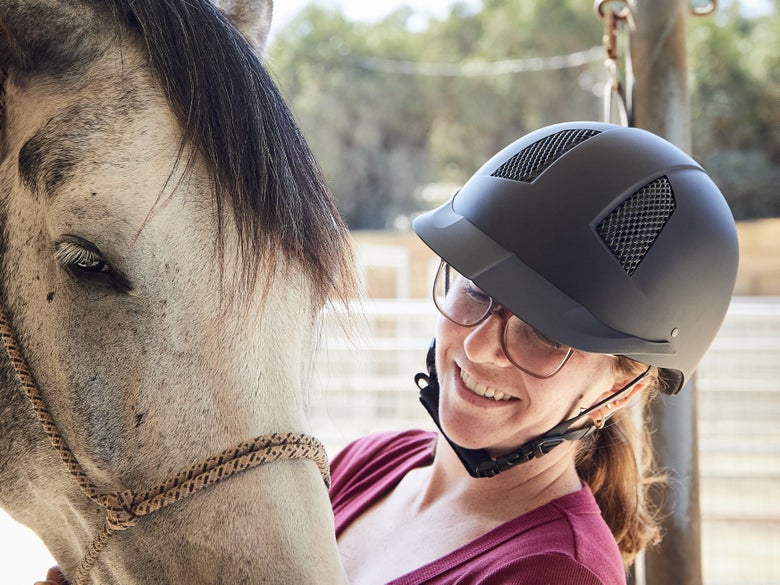
The main distinction between low profile and traditional riding helmets lies in their shape, bulk, and how they sit on the rider’s head. Let’s break down the key characteristics of each style:
- Low profile helmets are designed to sit closer to the head, creating a sleeker, more streamlined appearance. They often feature modern materials and advanced ventilation systems.
- Traditional helmets have a more pronounced, rounded shape and tend to be bulkier. They are sometimes preferred for their classic look and proven safety record.
Both helmet types are engineered to meet stringent safety standards, but their construction and design can affect comfort, aesthetics, and even discipline-specific suitability.
Key Features of Low Profile Helmets
Low profile models have become increasingly popular among riders seeking a modern look and lightweight feel. Here are some of the defining features:
- Sleek design: These helmets hug the contours of the head, minimizing bulk and reducing the “mushroom” effect.
- Lightweight materials: Many use advanced composites or polycarbonate shells, making them comfortable for extended wear.
- Enhanced ventilation: Strategically placed vents improve airflow, helping to keep the rider cool during intense activity.
- Discreet profile: The subtle shape appeals to riders who prefer a less conspicuous helmet, especially in disciplines like show jumping or dressage.

One of the main advantages of low profile helmets is their ability to blend safety with style. Riders who value aesthetics often gravitate toward these models, especially for competitions where appearance matters. However, it’s essential to ensure that the helmet still offers adequate coverage and meets recognized safety certifications.
Traditional Helmet Designs: Classic Protection and Appeal
Traditional helmets remain a staple in the equestrian world, especially in disciplines like eventing, hunting, and schooling. Their defining attributes include:
- Robust construction: Often built with thicker shells and more padding, providing a sense of sturdiness.
- Classic silhouette: The rounded, fuller shape is instantly recognizable and has long been associated with equestrian tradition.
- Broad discipline acceptance: These helmets are widely accepted across all riding styles and are sometimes required in certain competitions.
- Perceived safety: Some riders feel more secure with the extra coverage and padding, although actual safety depends on certification and fit.
While bulkier, traditional helmets can offer a reassuring sense of protection, particularly for riders who prioritize coverage over aesthetics. They may also be preferred by those who ride in environments where impact risks are higher, such as cross-country courses or rugged trails.
Comparing Safety Standards and Technologies
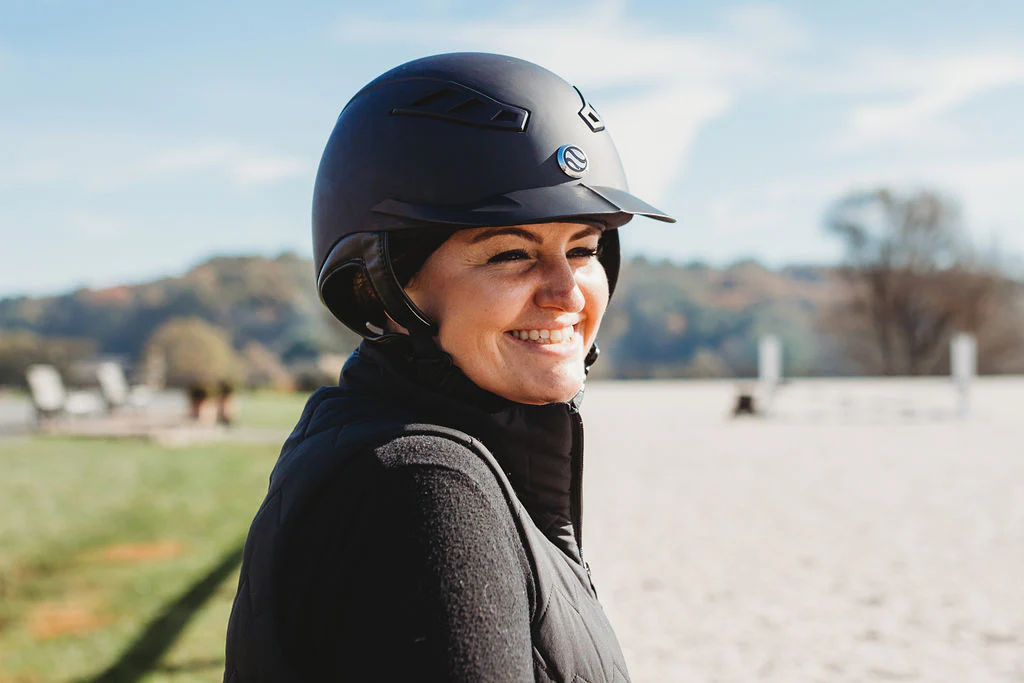
Regardless of style, both helmet types must meet rigorous safety standards. When comparing the difference between low profile and traditional helmets from a safety perspective, it’s important to focus on certification labels such as ASTM/SEI, PAS015, or VG1. These certifications indicate that the helmet has passed impact and retention tests.
Some modern helmets, especially in the low profile category, incorporate advanced safety technologies like MIPS (Multi-directional Impact Protection System). This system is designed to reduce rotational forces during angled impacts. For more details on how this technology works, see this overview of MIPS helmet safety technology.
It’s also worth noting that a helmet’s effectiveness depends heavily on proper fit and secure retention. For more information about this crucial aspect, our article on the importance of a secure helmet retention system provides valuable insights.
Fit, Comfort, and Personal Preference
Helmet fit is a personal matter, and what feels comfortable for one rider may not work for another. Here are some considerations when choosing between these two helmet types:
- Head shape compatibility: Some low profile helmets fit oval heads better, while traditional helmets may suit rounder head shapes. Measuring your head correctly is essential—see our guide on how to measure head circumference for horses for step-by-step instructions.
- Weight and ventilation: Low profile helmets are often lighter and cooler, making them ideal for hot climates or long rides.
- Discipline requirements: Certain competitions may specify helmet types or appearances, so always check the rules before purchasing.
- Personal style: Some riders prefer the traditional look, while others opt for the modern, understated appearance of low profile models.
Ultimately, the best helmet is the one that fits well, meets safety standards, and matches your riding needs and preferences.
Making the Right Choice for Your Riding Discipline
Different equestrian disciplines may influence your helmet selection. For example:
- Show jumping and dressage: Low profile helmets are popular for their discreet appearance and lightweight feel.
- Eventing and cross-country: Many riders choose traditional helmets for their robust construction and perceived added protection.
- Recreational riding: Either style can be suitable, depending on comfort and personal taste.
If you participate in multiple disciplines or want a helmet suitable for various activities, consider a versatile model that balances both aesthetics and safety. For eventing-specific advice, our resource on how to choose a helmet for eventing offers targeted recommendations.
Summary Table: Low Profile vs. Traditional Helmets
| Feature | Low Profile Helmet | Traditional Helmet |
|---|---|---|
| Appearance | Sleek, close-fitting | Rounded, bulkier |
| Weight | Lighter | Heavier |
| Ventilation | Enhanced airflow | Less ventilated |
| Discipline Suitability | Popular in modern disciplines | Widely accepted, especially in traditional events |
| Safety Technology | Often includes advanced features (e.g., MIPS) | Proven, robust construction |
FAQs About Helmet Types and Selection
Are low profile helmets as safe as traditional helmets?
Both helmet types can offer excellent protection if they meet recognized safety standards such as ASTM/SEI or VG1. The key is to ensure a proper fit and check for current certification labels. Advanced features like MIPS may provide additional protection against certain impacts.
How do I know which helmet style fits my head best?
Head shape and size vary from person to person. It’s important to measure your head accurately and try on different models. Some brands cater to specific head shapes, so consult fitting guides and, if possible, try helmets in person before purchasing.
Can I use the same helmet for different riding disciplines?
Many helmets are versatile enough for multiple disciplines, but always check competition rules for any specific requirements. Choose a helmet that offers the right balance of safety, comfort, and appearance for your riding activities.
What is the main difference between low profile and traditional helmets in terms of comfort?
Low profile helmets are generally lighter and often have better ventilation, making them more comfortable for long rides or hot weather. Traditional helmets may feel more substantial and can provide a sense of security, especially for riders who prefer a classic fit.