


Wearing a properly fitted helmet is one of the most important steps any equestrian can take to protect themselves while riding. A well-chosen helmet significantly reduces the risk of head injury in the event of a fall or accident. However, not every helmet offers the same level of protection—fit is critical. Understanding how should a horse riding helmet fit is essential for both comfort and safety.
Riders often focus on style or brand, but the most vital factor is how the helmet conforms to your unique head shape. A helmet that’s too loose or too tight can compromise its protective capabilities. Before exploring the details of helmet sizing and adjustment, it’s helpful to learn about the how to find the right riding helmet for your head shape, as this can make the fitting process much easier and more effective.
Why Proper Helmet Fit Matters
The main purpose of a riding helmet is to absorb and dissipate impact forces during a fall. If the helmet doesn’t fit correctly, it may shift, come off, or fail to protect the most vulnerable areas of your head. A secure, snug fit ensures the helmet stays in place and functions as intended.
- Safety: A poorly fitted helmet can increase the risk of injury.
- Comfort: A good fit prevents headaches, pressure points, and distractions.
- Longevity: Helmets that fit well are less likely to be damaged by improper use or storage.
For more on how helmet components age and when to consider a replacement, see the impact of age on helmet protective foam.
Key Signs of a Correctly Fitted Riding Helmet
To ensure maximum protection, a helmet should meet several fit criteria. Here’s what to look for when trying on a new helmet:
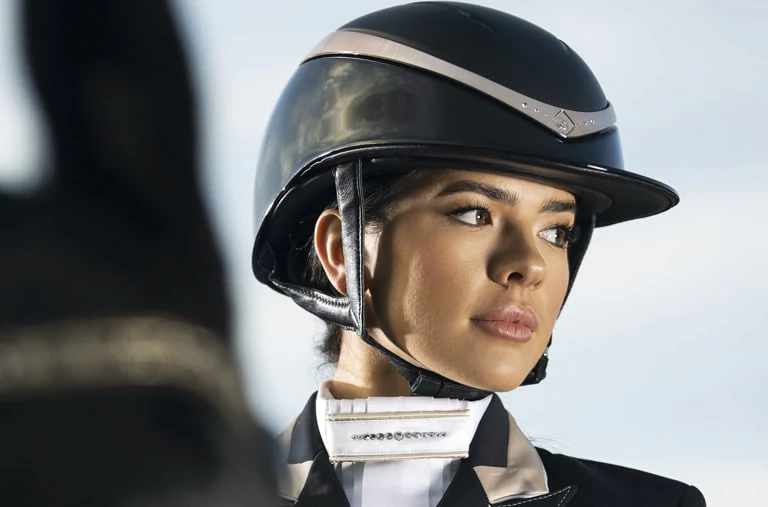
- Snug All Around: The helmet should feel evenly snug across your entire head, with no pressure points or gaps.
- Level Position: It must sit level on your head, covering the forehead about one to two finger-widths above your eyebrows.
- Minimal Movement: When you shake your head, the helmet should stay put. If it rocks forward, backward, or side to side, it’s too loose.
- Secure Chin Strap: The strap should fit comfortably under your chin, tight enough that you can fit only one finger between the strap and your skin.
- No Squeeze or Pinch: While the fit should be snug, it should not cause discomfort or leave red marks after removal.
For a step-by-step guide on measuring your head for a helmet, check out this detailed helmet measurement tutorial.
How to Measure for the Ideal Helmet Fit
Measuring your head accurately is the foundation for finding the right helmet size. Use a flexible tape measure and follow these steps:
- Wrap the tape measure around the widest part of your head, just above your eyebrows and ears.
- Note the circumference in centimeters or inches.
- Compare your measurement to the manufacturer’s sizing chart.
If you’re unsure about your head shape or how to interpret your measurements, our guide to measuring head circumference for helmets offers additional tips.
Common Mistakes When Fitting a Riding Helmet
Even experienced riders can make errors when selecting or adjusting a helmet. Here are some frequent pitfalls to avoid:
- Choosing by Hat Size: Regular hat sizes do not always correspond to helmet sizes. Always measure your head for accuracy.
- Ignoring Head Shape: Some helmets are designed for round heads, others for oval. Trying on different models helps find the best match.
- Over-tightening the Strap: A tight strap cannot compensate for a loose helmet shell.
- Wearing Hair Differently: If you ride with your hair up or down, fit your helmet the way you’ll wear your hair most often.
- Not Replacing After Impact: Any helmet that has sustained a significant impact should be replaced, even if there’s no visible damage.
Adjusting and Testing Your Helmet for Security
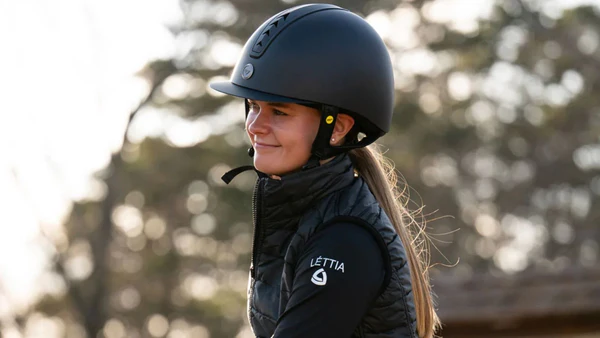
Once you’ve selected a helmet that matches your head size and shape, it’s important to fine-tune the fit. Most modern helmets come with adjustable features such as dial-fit systems, removable padding, or adjustable harnesses.
- Adjust the Fit System: Tighten or loosen the internal dial or padding until the helmet feels snug but comfortable.
- Check the Retention System: The harness should keep the helmet firmly in place. For more details, see the importance of a secure helmet retention system.
- Perform the Shake Test: With the chin strap fastened, shake your head gently. The helmet should not move independently.
- Open Your Mouth: When you open your mouth wide, you should feel the helmet pull down slightly on the top of your head.
Helmet Standards and Safety Certifications
Not all helmets are created equal. Look for models that meet or exceed recognized safety standards, such as ASTM/SEI, PAS015, or VG1. These certifications indicate that the helmet has passed rigorous impact and retention tests.
For a comparison of international safety standards, read about the difference between UK and US riding standards.
Frequently Asked Questions
How tight should a horse riding helmet feel?
A properly fitted helmet should feel snug all around your head without causing pain or pressure points. It should not move when you shake your head, but it also shouldn’t squeeze so tightly that it leaves marks or causes discomfort.
Can I wear a beanie or headband under my helmet?
It’s best to avoid wearing anything thick under your helmet, as it can affect the fit and reduce protection. If you need extra warmth, use helmet liners or covers designed specifically for equestrian helmets.
How often should I replace my riding helmet?
Helmets should be replaced every five years, or immediately after a significant impact, even if there’s no visible damage. Over time, materials degrade and lose their protective qualities.
What if my helmet feels comfortable but moves when I ride?
If your helmet shifts during riding, it’s likely too loose or not the right shape for your head. Try adjusting the fit system or consider trying a different model that better matches your head shape.
Conclusion
Selecting and adjusting a helmet is a crucial step in equestrian safety. By understanding how should a horse riding helmet fit and following the guidelines above, you can ensure both comfort and maximum protection every time you ride. Always prioritize fit over style, and don’t hesitate to seek expert advice or try on multiple models to find the best match for your needs.