

For riders and trainers passionate about dressage, finding the right resources can make a significant difference in progress and understanding. Whether you are just starting out or looking to refine advanced techniques, books about dressage training offer invaluable insights from top professionals and seasoned equestrians. This article explores highly recommended titles, what makes them stand out, and how they can help you or your horse excel in the arena.
Before diving into the top picks, it’s important to recognize that every rider’s journey is unique. The right book can clarify concepts, inspire new approaches, and provide step-by-step guidance for both horse and rider. For those also interested in safety and equipment, learning how to find the right riding helmet for your head shape is a valuable complement to your dressage education.
Why Read Books on Dressage Training?
Dressage is often described as the art of harmonious riding. While lessons and clinics are invaluable, books provide a lasting reference you can revisit as your skills evolve. The best resources cover everything from foundational principles to advanced exercises, often illustrated with diagrams, photographs, and real-world examples. Many top trainers and Olympians have distilled their decades of experience into accessible guides, making it possible for anyone to benefit from their expertise.
Reading about dressage also helps riders understand the theory behind each movement, the importance of correct rider position, and the subtle communication required between horse and rider. This deeper knowledge can improve your confidence and effectiveness in the saddle.
Top Recommended Books for Dressage Enthusiasts
The following titles are widely regarded as essential reading for anyone serious about developing their dressage skills. Each book offers a unique perspective, whether you are a beginner or working toward advanced competition.
1. “Dressage in Harmony” by Walter Zettl
Walter Zettl’s classic is known for its clear explanations and focus on the partnership between horse and rider. The book covers everything from basic seat and aids to more advanced lateral movements. Zettl emphasizes the importance of patience, empathy, and correct fundamentals, making this a favorite among both students and instructors.
2. “The Complete Training of Horse and Rider” by Alois Podhajsky
Written by the former director of the Spanish Riding School in Vienna, this book is a cornerstone of classical dressage literature. Podhajsky details the progressive training of both horse and rider, with an emphasis on the classical principles that have shaped the discipline for centuries. This book is ideal for those who want to understand the roots of modern dressage and apply time-tested methods.
3. “101 Dressage Exercises for Horse & Rider” by Jec Aristotle Ballou
This practical guide is packed with exercises designed to improve suppleness, balance, and responsiveness. Each exercise includes step-by-step instructions, diagrams, and tips for troubleshooting common issues. The format makes it easy to incorporate new drills into your daily schooling sessions, keeping both horse and rider engaged.
4. “The Dressage Seat” by Anja Beran
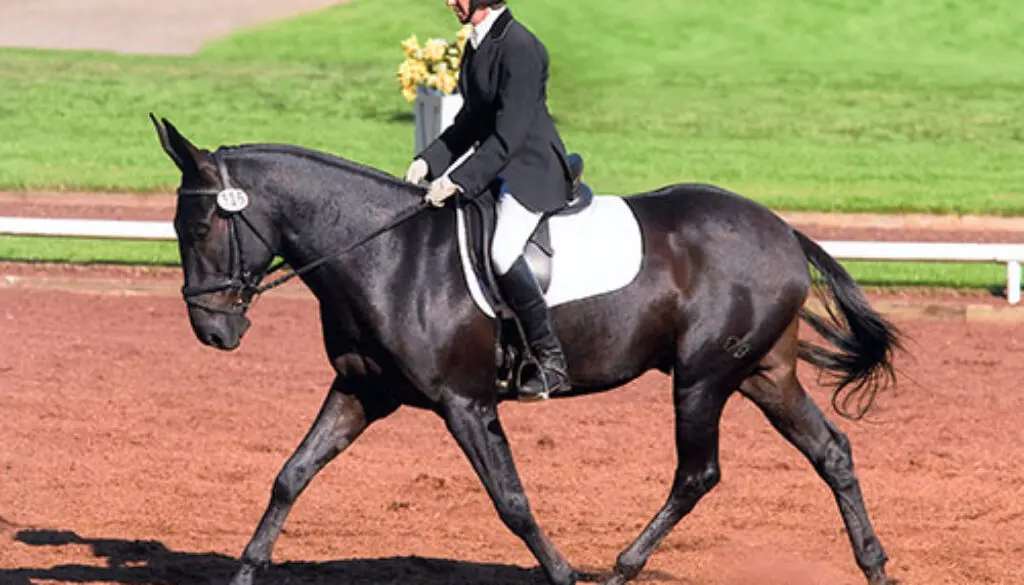
Rider position is critical in dressage, and Anja Beran’s book focuses exclusively on developing a balanced, effective seat. Through a combination of theory and practical exercises, Beran explains how to achieve harmony with your horse and influence movement with subtlety. This book is especially useful for riders who want to refine their posture and communication.
5. “Dressage for the Not-So-Perfect Horse” by Janet Foy
Not every horse is born with ideal conformation or natural talent for dressage. Janet Foy’s book addresses the challenges of training horses with physical or mental limitations, offering realistic solutions and encouragement. Her approach is honest and practical, making this a reassuring read for riders working with less-than-perfect partners.
Choosing the Right Dressage Book for Your Needs
With so many options available, selecting the best resource depends on your current level, goals, and preferred learning style. Beginners may benefit most from step-by-step guides and foundational texts, while more advanced riders might seek out specialized topics like collection, flying changes, or competition strategy.
Consider the following when choosing a book:
- Author’s Experience: Look for authors with proven backgrounds in dressage, whether through competition, teaching, or classical training.
- Content Structure: Some books are organized as reference manuals, while others follow a progressive training plan. Choose what fits your learning style.
- Visual Aids: Diagrams, photos, and illustrations can clarify complex concepts and make exercises easier to follow.
- Practicality: Books with exercises and troubleshooting tips are especially helpful for riders training without regular instruction.
For those interested in a broader overview, this beginner’s guide to dressage offers a helpful introduction to the sport and its foundational principles.
Tips for Getting the Most from Dressage Literature
To maximize the benefits of your chosen books, approach them as interactive tools rather than passive reading material. Here are a few strategies:
- Take Notes: Jot down key points, exercises, or insights that resonate with you. This reinforces learning and gives you quick reference material.
- Apply Exercises: Try out recommended drills in your regular schooling sessions. Adapt them to your horse’s needs and track your progress.
- Discuss with Peers: Sharing ideas with fellow riders or your trainer can deepen your understanding and provide new perspectives.
- Revisit Regularly: As your skills develop, revisit earlier chapters or books. Concepts that seemed advanced may become clearer with experience.
Expanding Your Dressage Knowledge
While books are a cornerstone of dressage education, they are most effective when combined with hands-on experience and feedback. Attending clinics, watching instructional videos, and working with a qualified instructor will help you apply what you learn and avoid common pitfalls. For those interested in safety and equipment, understanding the impact of age on helmet protective foam is another important aspect of equestrian preparation.
Remember, progress in dressage is a journey. The right resources, combined with patience and consistent practice, can help you and your horse achieve lasting harmony and success.
Frequently Asked Questions
What should beginners look for in a dressage training book?
Beginners should seek books that offer clear explanations, step-by-step exercises, and plenty of visual aids. Guides that start with the basics of rider position, aids, and horse training are especially helpful. Look for authors with a reputation for making complex topics accessible.
Are there books specifically for riders training without a coach?
Yes, several books are designed for self-guided learning. Titles like “101 Dressage Exercises for Horse & Rider” provide structured routines and troubleshooting tips, making them ideal for riders who practice independently.
How can I tell if a dressage book is based on classical principles?
Books that reference the teachings of the Spanish Riding School, classical masters, or emphasize harmony and progressive training are usually rooted in classical principles. Authors like Alois Podhajsky and Walter Zettl are well-known for their classical approach.