

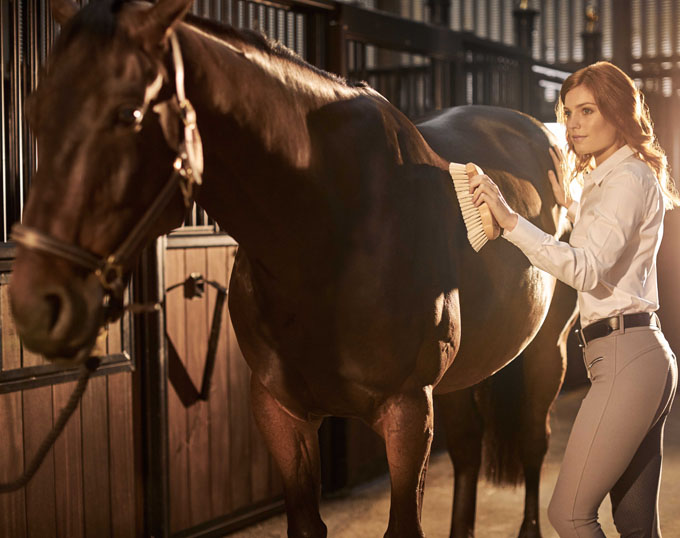
Working with anxious horses during grooming sessions can be challenging, but with the right approach, it’s possible to turn these moments into opportunities for building trust and confidence. Whether you’re a new horse owner or an experienced handler, understanding how to keep both yourself and your horse safe is essential. This article explores practical, gentle techniques for horse grooming nervous horses, focusing on safety, patience, and positive experiences for both horse and handler.
Many equestrians encounter horses that are wary of brushes, sudden movements, or unfamiliar touch. By recognizing signs of anxiety and using proven calming strategies, you can help your horse relax and even enjoy grooming time. Along the way, it’s important to consider your own safety, including wearing appropriate gear. For example, choosing the right helmet is crucial for any equestrian activity; you can learn more about this in our guide on how to choose a helmet for eventing.
Understanding Anxiety in Horses During Grooming
Before diving into techniques, it’s important to recognize why some horses become nervous during grooming. Horses are prey animals by nature, and their instinct is to react to perceived threats with flight or defensive behaviors. Common triggers for anxiety include:
- Previous negative experiences with grooming or handling
- Sensitivity to touch in certain areas
- Lack of desensitization to grooming tools or routines
- Sudden noises or movements in the environment
- Health issues causing discomfort or pain
Observing your horse’s body language is key. Signs of nervousness may include pinned ears, tail swishing, trembling, shifting weight, or attempts to move away. Recognizing these cues allows you to adjust your approach and prevent escalation.
Preparation: Setting Up a Calm Grooming Environment
Creating a peaceful atmosphere is one of the most effective ways to help an anxious horse feel secure. Consider these steps:
- Choose a quiet location: Avoid busy aisles or areas with frequent foot traffic. A familiar, enclosed space can help reduce distractions.
- Have your tools ready: Prepare all grooming supplies in advance to minimize interruptions. Using a horse grooming kit ensures you have everything you need within reach.
- Wear appropriate safety gear: Helmets, gloves, and sturdy boots protect you in case of sudden movements.
- Maintain a calm demeanor: Horses are sensitive to human emotions. Speak softly and move slowly to avoid startling your horse.
Gentle Techniques for Grooming Anxious Horses
When it comes to calming nervous horses during grooming, patience and consistency are your best tools. Here are some proven methods:
Start with Touch Desensitization
Begin by simply standing near your horse, allowing them to become accustomed to your presence. Gradually introduce touch, starting at the shoulder or neck—areas most horses are comfortable with. Use your hands before introducing brushes, and reward calm behavior with a gentle voice or a treat.
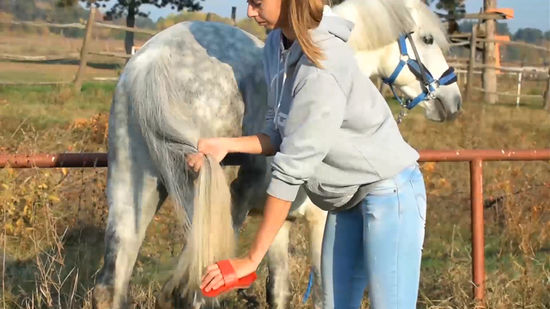
Introduce Grooming Tools Gradually
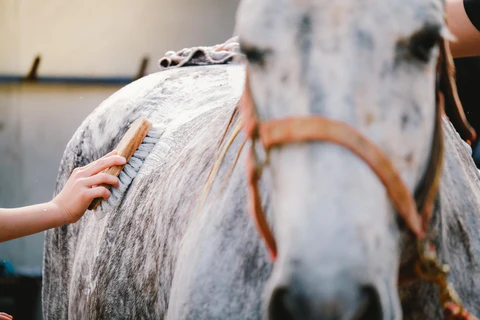
Hold the brush or curry comb where your horse can see and sniff it before use. Start with the softest brush and use gentle, circular motions. If your horse shows signs of discomfort, pause and return to hand touch until they relax. Over time, your horse will associate grooming tools with positive, non-threatening experiences.
Break Grooming Into Short Sessions
For particularly anxious horses, keep grooming sessions brief—sometimes just a few minutes at first. End each session on a positive note, even if you only manage to brush one area. Gradually increase the duration as your horse’s confidence grows.
Safety Tips for Handlers and Horses
Safety should always be a priority when working with a nervous horse. Here are some essential guidelines:
- Stand to the side: Avoid standing directly in front or behind your horse, as sudden movements can lead to accidental kicks or pushes.
- Use a quick-release knot: If tying your horse, always use a quick-release knot or cross-ties with safety features.
- Stay alert: Watch for changes in your horse’s body language and be ready to step back if they become agitated.
- Protective gear: In addition to helmets, consider gloves and boots for added protection. For more information on helmet safety, see our article on common equestrian helmet fitting mistakes.
Building Trust Through Consistency
Consistency is crucial when helping a horse overcome grooming anxiety. Stick to a predictable routine, use the same tools, and maintain a calm approach each time. Over days and weeks, your horse will learn what to expect and become more comfortable.
Some horses benefit from positive reinforcement, such as treats or scratches in favorite spots, while others simply need time and patience. Avoid punishment or force, as this can deepen fear and mistrust.
When to Seek Professional Help
If your horse’s anxiety is severe or does not improve with gentle handling, it may be time to consult a professional trainer or equine behaviorist. Persistent fear can sometimes be linked to pain, so a veterinary checkup is also recommended to rule out underlying health issues.
For a comprehensive overview of grooming steps and additional tips, you can visit this detailed guide to grooming horses.
Frequently Asked Questions
What are the best brushes for anxious horses?
Soft-bristled brushes and gentle curry combs are ideal for horses that are sensitive or nervous. Always start with the softest tool and observe your horse’s reaction before progressing to firmer brushes.
How long does it take to build trust with a nervous horse?
The timeline varies for each horse. Some may relax after a few sessions, while others require weeks or even months of consistent, gentle handling. Patience and routine are key.
Can treats help calm a horse during grooming?
Yes, positive reinforcement such as treats or gentle scratches can encourage calm behavior. However, use treats sparingly and always reward relaxed actions rather than nervous or evasive behaviors.
Should I use sedation for extremely anxious horses?
Sedation should only be considered under veterinary guidance and for specific situations, such as medical procedures. For regular grooming, focus on gradual desensitization and professional help if needed.
By applying these calm and safe strategies, you can transform grooming from a stressful event into a positive, trust-building experience for your horse. With patience, consistency, and the right tools, even the most nervous horses can learn to relax and enjoy the process.