


Keeping horses in top condition requires more than just proper feeding and exercise. Regular grooming is essential for maintaining a horse’s health, comfort, and appearance. This horse grooming guide covers the essential steps, tools, and techniques every horse owner or caregiver should know. Whether you’re new to equine care or looking to refine your routine, you’ll find practical advice for daily, seasonal, and specialized grooming needs.
Grooming not only keeps your horse clean but also helps you spot injuries, skin conditions, or parasites early. It’s an opportunity to bond with your horse and ensure their well-being. Before diving into the details, it’s important to remember that safety comes first—always approach your horse calmly and be aware of their body language.
For those interested in equestrian safety, understanding how to find the right riding helmet for your head shape is another crucial aspect of horse care.
Why Consistent Grooming Matters
Routine grooming is about much more than keeping your horse looking good. It plays a vital role in:
- Promoting healthy skin and coat by distributing natural oils.
- Detecting cuts, swelling, or signs of illness early.
- Reducing the risk of skin infections and parasites.
- Strengthening the bond between horse and handler.
- Improving circulation through gentle massage.
When performed regularly, grooming can prevent many common health issues and make your horse more comfortable in all seasons.
Essential Tools for Grooming
Having the right tools makes grooming more effective and enjoyable for both you and your horse. A well-stocked kit should include:
- Curry comb – Loosens dirt, mud, and loose hair.
- Dandy brush – Removes heavier dirt and debris.
- Body brush – Soft bristles for finishing and smoothing the coat.
- Mane and tail comb – For detangling hair without breakage.
- Hoof pick – Cleans hooves and checks for stones or injuries.
- Sponge or soft cloth – Wipes sensitive areas like the face and dock.
- Shedding blade – Useful during seasonal coat changes.
Consider investing in a complete grooming kit for convenience and organization. For a reliable option, check out the Buy Horse Grooming Kit to get started with all the basics.
Step-by-Step Daily Grooming Routine
Following a consistent routine ensures no area is overlooked. Here’s a practical sequence to follow:
- Secure your horse in a safe, quiet area using cross-ties or a lead rope.
- Pick out the hooves before brushing to remove stones, mud, and manure. Check for cracks, thrush, or other issues.
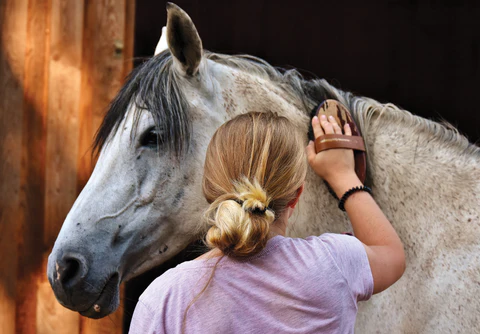
- Use the curry comb in circular motions to loosen dirt and stimulate the skin. Avoid sensitive areas like the face and legs.
- Brush with the dandy brush to flick away loosened dirt and hair, working in the direction of hair growth.
- Body brush next for a smooth, shiny finish. This brush is gentle enough for the face and legs.
- Detangle mane and tail using a wide-tooth comb or fingers. Start at the ends and work upward to prevent breakage.
- Wipe sensitive areas with a damp sponge or cloth, including around the eyes, nostrils, and dock.
Consistency is key—daily grooming helps you notice subtle changes in your horse’s health and keeps their coat in optimal condition.
Seasonal Grooming Tips
Horses’ grooming needs change with the seasons. Here’s how to adapt your routine:
Spring and Fall Shedding
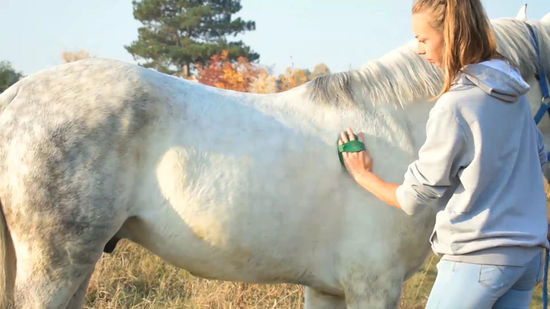
During these times, horses lose their winter or summer coats. Use a shedding blade or rubber curry to help remove loose hair. Frequent grooming sessions can speed up the process and keep your horse comfortable.
Summer Care
Insects and sweat can cause irritation. Bathe your horse as needed, and use fly sprays or masks to protect against pests. Pay extra attention to cleaning sweat-prone areas and check for signs of heat rash or sunburn.
Winter Grooming
Horses often grow thicker coats in winter. Avoid over-bathing, as it can strip natural oils. Use dry grooming methods and ensure your horse is dry before turning them out to prevent chills. Check under blankets for rubs or skin issues.
Special Considerations for Sensitive Horses
Some horses are more sensitive to touch or have specific skin conditions. For these animals:
- Use softer brushes and gentle strokes, especially on thin-skinned breeds.
- Watch for signs of discomfort, such as tail swishing or pinned ears.
- Consult your veterinarian if you notice persistent skin irritation, bald patches, or sores.
- Be patient—gradually introduce new tools or techniques to help your horse adjust.
Paying attention to your horse’s reactions ensures grooming remains a positive experience.
Hoof Care as Part of Grooming
Hoof care is a critical aspect of any horse grooming guide. Clean hooves daily to remove debris and check for injuries or infections. Regular trimming by a farrier is also essential. Neglecting hoof care can lead to lameness and other health problems, so make it a non-negotiable part of your routine.
Common Grooming Mistakes to Avoid
- Skipping daily checks, leading to missed health issues.
- Using harsh brushes on sensitive areas.
- Neglecting the mane, tail, or under the belly.
- Forgetting to clean grooming tools, which can spread skin conditions.
- Over-bathing, which strips away protective oils.
By staying mindful of these pitfalls, you’ll ensure your grooming routine supports your horse’s health and comfort.
Resources for Further Learning
For more in-depth information on equine care, visit grooming basics for equine caregivers. Continuing to educate yourself on best practices will help you provide the highest standard of care for your horse.
If you’re interested in related topics, you might also want to read about the impact of age on helmet protective foam and why a secure helmet retention system is vital for rider safety.
Frequently Asked Questions
How often should I groom my horse?
Ideally, horses should be groomed daily. Regular grooming helps maintain a healthy coat, prevents skin problems, and allows you to spot injuries or changes in condition early. If daily grooming isn’t possible, aim for several thorough sessions each week.
What should I do if my horse has sensitive skin?
Use soft brushes and gentle techniques. Avoid harsh chemicals or over-bathing, and consult your veterinarian if you notice persistent irritation. Some horses benefit from hypoallergenic grooming products designed for sensitive skin.
Is hoof cleaning really necessary every day?
Yes, picking out your horse’s hooves daily is important for preventing infections, removing stones, and spotting injuries. Consistent hoof care is a cornerstone of overall horse health and should never be skipped.
Conclusion
Establishing a thorough grooming routine is one of the best ways to keep your horse healthy, comfortable, and happy. With the right tools, techniques, and attention to detail, you’ll not only maintain your horse’s appearance but also contribute significantly to their overall well-being. Remember, grooming is an ongoing process that builds trust and strengthens the bond between you and your horse. For more tips on equine care and safety, explore topics like the difference between UK and US riding standards and how to measure head circumference for horses for helmet fitting.