

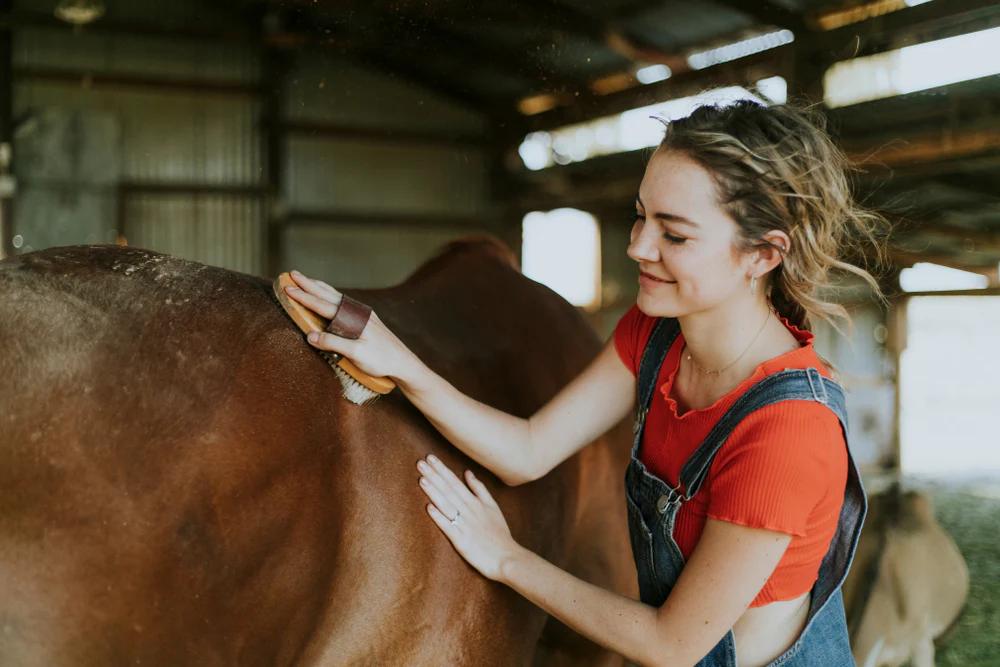
Proper horse grooming for ponies is essential for their health, comfort, and appearance. While ponies share many grooming needs with larger horses, their unique size, coat types, and personalities require some special considerations. Whether you’re caring for a child’s first Shetland or a seasoned show pony, understanding the right techniques and tools makes a significant difference in their well-being.
In this guide, you’ll discover practical steps for daily and seasonal grooming, tips for handling sensitive ponies, and advice on choosing the right products. We’ll also touch on how grooming routines can strengthen the bond between you and your pony, and why attention to detail matters for their overall health.
Before diving into the details, remember that safety is always the top priority. Alongside grooming, ensuring your pony’s gear fits well is crucial. For example, choosing the right helmet is just as important for riders as grooming is for ponies. If you’re interested in learning more about helmet fit, check out this resource on how to find the right riding helmet for your head shape.
Why Grooming Ponies Requires Special Attention
Ponies often have thicker coats, denser manes, and more sensitive skin than their larger counterparts. Their compact size can also make certain areas harder to reach, especially for young handlers. Regular grooming not only keeps their coats shiny and free of debris but also helps prevent skin issues, detects injuries early, and provides an opportunity for daily health checks.
Some ponies are prone to skin conditions like sweet itch or rain scald, making gentle, thorough grooming even more important. Additionally, grooming sessions can be a calming routine that helps nervous or young ponies become more comfortable with handling.
Essential Tools for Pony Grooming
Having the right tools is key to effective horse grooming for ponies. While many grooming kits are designed for full-sized horses, you may need to select smaller or softer brushes for ponies, especially for those with fine coats or sensitive skin.
- Curry comb: Loosens dirt, mud, and loose hair. Rubber or soft plastic versions are ideal for ponies.
- Dandy brush: Removes heavier dirt and debris from the coat’s surface.
- Body brush: Soft bristles for smoothing the coat and bringing out shine.
- Mane and tail comb: Wide-toothed combs prevent breakage in thick manes and tails.
- Hoof pick: Essential for cleaning hooves and checking for stones or injuries.
- Sponge and towels: Useful for cleaning faces, dock areas, and sensitive spots.
Consider investing in a dedicated pony grooming kit to ensure all tools are appropriately sized and gentle enough for smaller equines.

Step-by-Step Pony Grooming Routine
Establishing a consistent routine makes grooming enjoyable for both you and your pony. Here’s a practical approach that covers all the essentials:
- Secure Your Pony: Always tie your pony with a quick-release knot or use cross-ties in a safe, quiet area.
- Start with the Curry Comb: Using gentle, circular motions, work from the neck to the hindquarters. Avoid bony areas and the face.
- Brush Away Dirt: Use the dandy brush in short, flicking strokes to lift dirt and hair loosened by the curry comb.
- Smooth the Coat: The body brush removes finer dust and adds shine. Pay attention to sensitive spots, adjusting pressure as needed.
- Clean the Mane and Tail: Use your fingers or a wide-toothed comb to detangle. Start at the bottom and work upward to avoid pulling.
- Pick Out Hooves: Gently clean each hoof, checking for stones, cracks, or signs of thrush.
- Wipe Sensitive Areas: Use a damp sponge or soft cloth to clean around the eyes, nostrils, and dock.
For more advanced grooming, such as preparing for shows, consider reading these horse show grooming tips for additional insights.
Handling Common Pony Grooming Challenges
Ponies can be more sensitive or fidgety than larger horses, especially if they’re young or not used to regular grooming. Here are some tips for overcoming common challenges:
- Dealing with Thick Coats: Use a shedding blade or grooming block during seasonal coat changes. Be patient and gentle to avoid irritating the skin.
- Sensitive Skin: Opt for soft brushes and avoid over-grooming. Watch for signs of discomfort, such as tail swishing or pinned ears.
- Matted Manes and Tails: Apply a detangler spray and use your fingers to separate knots before combing.
- Reluctant Ponies: Keep sessions short and positive. Offer treats and praise to build trust.
Consistency is key—regular, gentle grooming helps ponies become more comfortable over time.
Seasonal Grooming Tips for Ponies
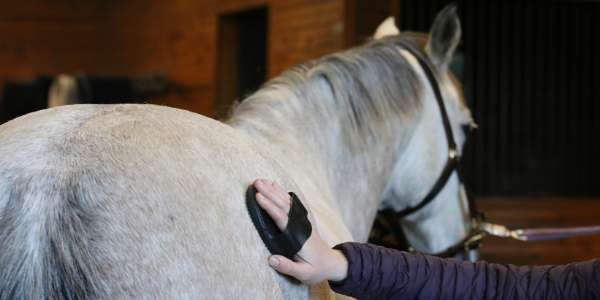
As the seasons change, so do your pony’s grooming needs. In spring and fall, ponies shed their coats, which can lead to extra hair and potential skin irritation. During winter, thick coats may trap dirt and sweat, while summer brings dust and insects.
- Spring/Fall: Use shedding tools and increase brushing frequency to help remove loose hair.
- Winter: Focus on keeping the coat clean and dry. Avoid bathing unless necessary to prevent chills.
- Summer: Rinse sweat after rides and use fly sprays as needed. Regular grooming helps spot insect bites or skin issues early.
Adjust your routine to match your pony’s coat and comfort level throughout the year.
Health Checks During Grooming
Grooming is an ideal time to check your pony for cuts, swelling, heat, or signs of discomfort. Pay close attention to:
- Skin for lumps, bumps, or bald patches
- Legs for heat, swelling, or injuries
- Hooves for cracks, thrush, or stones
- Eyes, ears, and nose for discharge or irritation
Early detection of issues can prevent more serious health problems and keep your pony feeling their best.
Building a Positive Grooming Experience
For many ponies, grooming is more than just a cleaning routine—it’s a chance to build trust and strengthen your relationship. Approach each session calmly and patiently, using gentle hands and a reassuring voice. Over time, your pony will look forward to the attention and care, making grooming a highlight of their day.
For those interested in learning more about equestrian safety and standards, you might also find value in reading about the difference between UK and US riding standards or understanding the importance of a secure helmet retention system for riders.
Frequently Asked Questions
How often should I groom my pony?
Ideally, ponies should be groomed daily, especially if they are in regular work or turned out in muddy conditions. Daily grooming helps maintain coat health, prevents skin problems, and allows for early detection of injuries.
What’s the best way to manage a pony’s thick mane and tail?
Use a wide-toothed comb and detangler spray to gently work through tangles. Start at the bottom and work upward, using your fingers to separate knots before combing to minimize breakage.
Are there special products for sensitive-skinned ponies?
Yes, look for hypoallergenic shampoos, soft brushes, and gentle detanglers. Always test new products on a small area first and consult your veterinarian if your pony has ongoing skin issues.
Conclusion
Effective horse grooming for ponies goes beyond keeping them clean—it’s about supporting their health, comfort, and happiness. With the right tools, gentle techniques, and attention to individual needs, you can ensure your pony looks and feels their best year-round. Regular grooming not only enhances your pony’s appearance but also deepens your connection and helps catch health concerns early. Make it a positive, consistent part of your routine, and both you and your pony will benefit.