

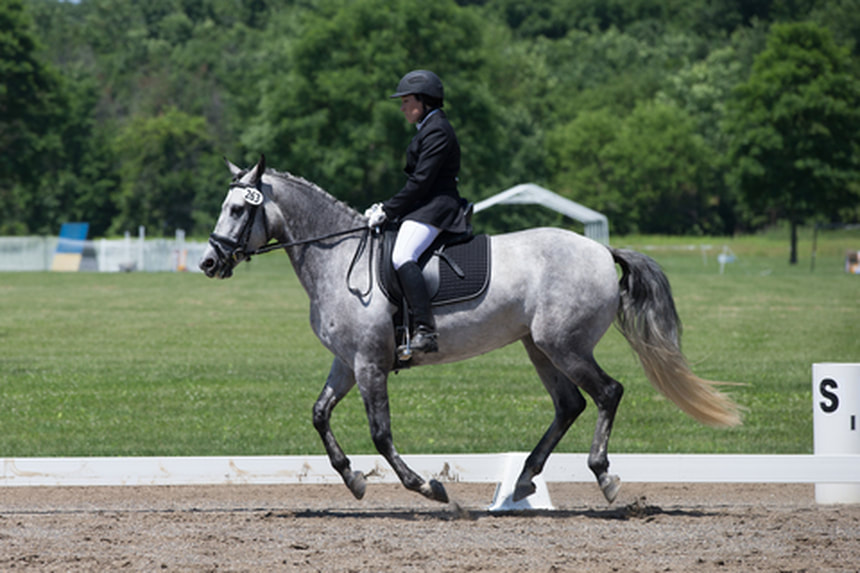
Dressage riders often encounter challenges when working with horses that become tense or anxious during training and competition. Tension can manifest as stiffness, resistance, loss of rhythm, or even spooking, making it difficult to achieve the harmony and precision required in dressage. Understanding the causes of tension and applying effective strategies is crucial for both horse and rider to progress confidently.
This guide explores practical tense horse dressage solutions for riders seeking to help their horses relax, focus, and perform at their best. Whether you are new to dressage or an experienced competitor, learning to recognize and address tension will improve your partnership and results in the arena.
Before diving into specific techniques, it’s important to consider all aspects of your riding setup. For example, ensuring your own safety and comfort can have a direct impact on your horse’s confidence. If you are interested in optimizing your riding gear, you may find value in learning how to find the right riding helmet for your head shape. A secure, well-fitted helmet not only protects you but can also help you ride with more relaxation and balance, which your horse will sense.
Recognizing Signs of Tension in Dressage Horses
Horses express tension in various ways, and recognizing these signs early is key to addressing the root cause. Common indicators include:
- Stiffness through the neck, back, or jaw
- Short, choppy strides or loss of rhythm
- Tail swishing or pinning the ears
- Spooking, shying, or sudden changes in speed
- Grinding teeth or excessive mouth movement
- Difficulty accepting the bit or contact
By observing your horse’s body language and responses, you can tailor your approach to address their specific needs and triggers.
Understanding the Causes of Tension
There are many reasons a horse may become tense during dressage work. Some of the most common causes include:
- Pain or discomfort: Poor saddle fit, dental issues, or hoof pain can all contribute to resistance and anxiety.
- Rider tension: Horses are highly sensitive to their rider’s emotions and body language. If you are nervous or stiff, your horse may mirror this tension.
- Training gaps: Asking for movements your horse is not ready for, or progressing too quickly, can lead to confusion and stress.
- Environmental factors: New venues, loud noises, or unfamiliar objects can trigger a flight response in sensitive horses.
Identifying the underlying cause is the first step in finding effective dressage solutions for tense horses.
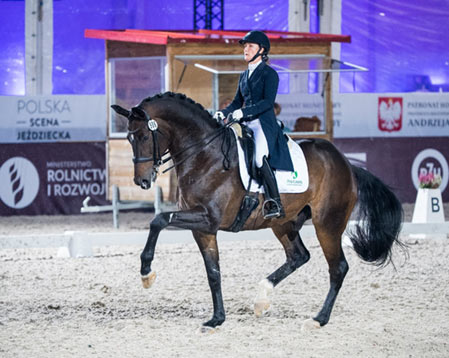
Key Strategies to Help Relax a Tense Horse
Addressing tension requires a combination of patience, observation, and the right training techniques. Here are some proven approaches:
1. Prioritize Warm-Up and Cool-Down
Begin each session with a gentle warm-up focused on stretching and relaxation. Allow your horse to move forward in a long, low frame, encouraging them to stretch their topline and loosen up. A thorough cool-down at the end helps prevent muscle soreness and reinforces relaxation as a positive experience.
2. Use Consistent Routines
Horses thrive on predictability. Establishing a consistent routine for grooming, tacking up, and riding can help reduce anxiety. If you are working in a new environment, give your horse time to acclimate before starting more challenging exercises.
3. Incorporate Groundwork
Groundwork exercises, such as in-hand lateral work or lunging, can help your horse learn to focus and relax without the added complexity of carrying a rider. These activities build trust and communication, laying the foundation for more relaxed under-saddle work.
4. Focus on Rider Position and Breathing
Your own posture and breathing have a significant impact on your horse’s state of mind. Practice deep, even breaths and maintain a soft, balanced seat. If you notice yourself tensing up, take a moment to reset and release unnecessary muscle tension.
5. Reward Relaxation
Positive reinforcement is a powerful tool. When your horse offers a relaxed response—such as lowering their head, blowing out, or swinging through the back—reward them with a gentle pat, a soft word, or a brief walk break. This helps your horse associate relaxation with positive outcomes.
Training Exercises for Reducing Tension
Incorporating specific exercises into your schooling sessions can help your horse become more supple and confident. Some effective options include:
- Serpentines and circles: These patterns encourage bending and help your horse focus on you rather than external distractions.
- Transitions: Practicing frequent transitions between and within gaits keeps your horse attentive and responsive, while also promoting relaxation.
- Lateral work: Movements such as leg-yield, shoulder-in, and haunches-in improve suppleness and encourage your horse to release tension through the body.
- Stretching on a long rein: Allowing your horse to stretch down and out at the walk and trot can help release tight muscles and calm the mind.
Remember to keep sessions short and positive, especially when working with a horse prone to anxiety.
Equipment and Comfort Considerations
Physical discomfort is a frequent cause of tension. Regularly check your horse’s tack for proper fit, especially the saddle and bridle. A well-fitted dressage saddle can make a significant difference in your horse’s willingness to move freely. If you’re considering an upgrade, explore options that provide both support and flexibility for your horse’s back.
Hoof care is equally important. Sore or unbalanced feet can lead to resistance and anxiety. Using a quality balm can help maintain healthy hooves, contributing to overall comfort and performance.
For more information on the basics of the sport and how to get started, you can read this comprehensive introduction to dressage and its foundational principles.
Building Confidence Over Time
Helping your horse become more relaxed in dressage is a gradual process. Celebrate small improvements and avoid putting pressure on yourself or your horse to achieve perfection overnight. Consistency, patience, and a willingness to adapt your approach are essential for long-term progress.
As you and your horse gain experience, you may also want to learn about the difference between UK and US riding standards to further broaden your understanding of dressage practices worldwide.
Frequently Asked Questions
What should I do if my horse becomes tense during a dressage test?
If your horse shows signs of anxiety in the arena, focus on steady breathing and ride simple patterns to help them regain confidence. Avoid escalating the situation; instead, use transitions and circles to redirect their attention. If tension persists, consider returning to basics in your training sessions.
Can equipment changes help reduce tension?
Yes, ensuring your tack fits properly is crucial. Ill-fitting saddles or bridles can cause discomfort and resistance. Regularly check your gear and consult with a professional saddle fitter if needed. Sometimes, small adjustments can make a big difference in your horse’s comfort and relaxation.
How long does it take to see improvement with a tense horse?
Progress varies depending on the horse’s temperament, history, and the consistency of your approach. Some horses respond quickly to relaxation techniques, while others may need weeks or months of patient work. Celebrate incremental progress and remain flexible in your training methods.
Conclusion
Addressing tension in dressage horses requires a holistic approach that combines thoughtful training, attention to comfort, and a calm, consistent rider. By recognizing signs of anxiety, understanding the causes, and applying proven tense horse dressage solutions, you can help your horse become more confident and expressive in the arena. Remember to prioritize your horse’s well-being, seek professional guidance when needed, and enjoy the journey of building a harmonious partnership.