

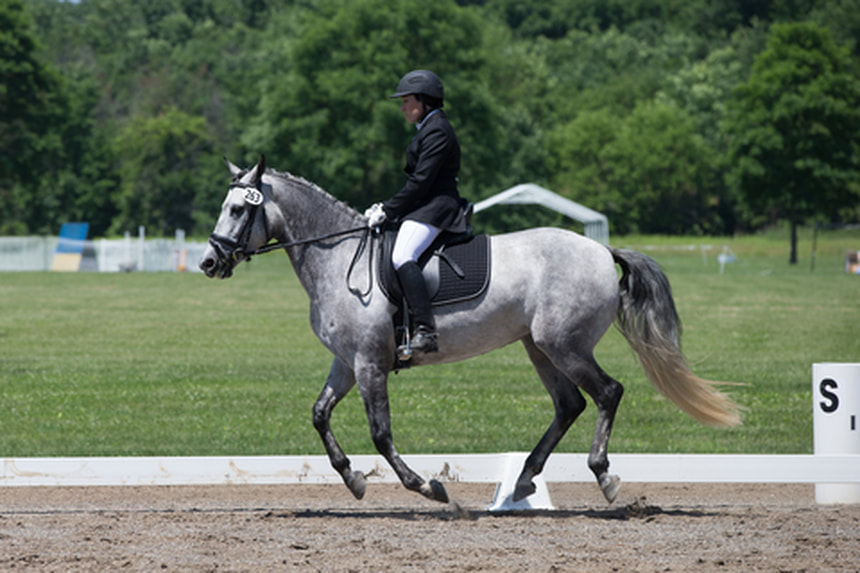
Cadence in dressage riding is a defining quality that separates a good performance from a truly remarkable one. Riders and trainers often speak about cadence as a sign of advanced training, harmony, and athleticism in the horse. But what exactly does cadence mean in the context of dressage, and why is it so important for both competitive and recreational riders?
This article explores the concept of cadence, how it is developed, and why it matters for anyone aiming to improve their horse’s movement and overall performance. We’ll also look at practical ways to recognize and enhance cadence, common challenges, and how this quality fits into the broader goals of classical and modern dressage.
Before diving deeper, it’s essential to recognize that safety and proper equipment are foundational to successful riding. If you’re interested in learning more about helmet fit and safety, check out how to find the right riding helmet for your head shape for practical tips.
Understanding Rhythm, Tempo, and Cadence
To appreciate cadence, it’s helpful to distinguish it from related concepts like rhythm and tempo. Rhythm refers to the regularity and sequence of footfalls in each gait (walk, trot, canter), while tempo describes the speed or rate of those footfalls. Cadence, however, is about the marked, expressive, and elevated quality of the movement within a consistent rhythm and tempo.
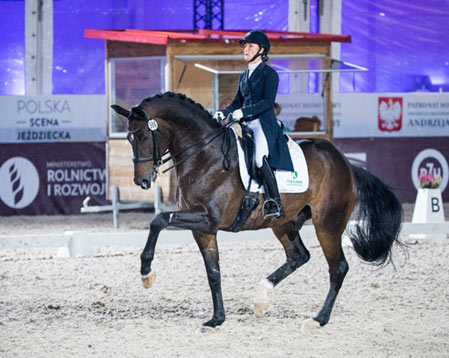
In dressage, a horse with good cadence appears to move with a springy, almost dance-like energy. Each stride is clear, balanced, and shows a moment of suspension—especially in the trot and canter. This gives the impression of lightness and ease, even though it requires significant strength and training from the horse.
Why Cadence Matters in Dressage
Cadence is more than just an aesthetic quality; it’s a sign of correct training and athletic development. Judges look for cadence as evidence that the horse is moving with balance, impulsion, and self-carriage. Horses that display this quality are often more successful in competition, as their movement appears effortless and harmonious.
For riders, developing cadence improves communication and connection with the horse. It encourages the horse to engage its hindquarters, lift its back, and move with greater elasticity. This not only enhances performance but also reduces the risk of injury by promoting correct biomechanics.
Developing Cadence: Key Principles and Training Tips
Building cadence in the horse’s movement is a gradual process that requires patience and consistency. Here are some essential principles and practical tips:
- Correct Basics: Establish a clear, regular rhythm at each gait before focusing on elevation and expression. Without a stable foundation, attempts to add cadence can lead to tension or irregularity.
- Engagement and Impulsion: Encourage the horse to push from behind, stepping well under its body with the hind legs. Transitions within and between gaits, as well as exercises like shoulder-in and leg-yield, help develop engagement.
- Relaxation and Suppleness: A tense or stiff horse cannot move with true cadence. Incorporate stretching, bending, and relaxation exercises to maintain suppleness.
- Rider Position: The rider’s balance, quiet hands, and independent seat are crucial. A well-balanced rider allows the horse to move freely and expressively.
- Progressive Training: Gradually introduce more advanced movements, such as collected trot or canter, only when the horse is ready. Pushing too quickly can compromise rhythm and quality.
For further insight into the foundational principles behind these training priorities, consider reading about the core principles of dressage methodology for a holistic approach to horse development.
Recognizing Cadence in the Arena
Spotting cadence in a horse’s movement is a skill that develops with experience. Look for the following signs:
- Clear, regular rhythm with no rushing or dragging
- Moments of suspension, especially in the trot and canter
- Uphill balance, with the horse’s forehand elevated and hindquarters engaged
- Elastic, expressive strides that seem to “float”
- Relaxed, swinging back and soft contact with the bit
Watching experienced riders and well-trained horses can help you develop an eye for cadence. Video analysis and feedback from knowledgeable trainers are also valuable tools.
Common Challenges and How to Overcome Them
While striving for cadence, riders often encounter several obstacles:
- Lack of Strength: Young or unfit horses may struggle to maintain expressive movement. Allow time for muscle development and avoid overfacing your horse.
- Tension or Resistance: If the horse becomes tense, cadence will suffer. Focus on relaxation and avoid drilling exercises that cause stress.
- Loss of Rhythm: Trying to “manufacture” cadence by holding the horse back or pushing too hard can disrupt rhythm. Always prioritize regularity and relaxation.
- Rider Imbalance: An unsteady seat or heavy hands can block the horse’s movement. Work on your own position and core stability.
Remember, cadence is a result of correct training, not a trick or shortcut. Patience and attention to the basics will yield the best results over time.
Cadence and Dressage Progression
As horses advance through the levels of dressage, the expectation for cadence increases. At the lower levels, judges look for clear rhythm and relaxation. As you progress, more expression, elevation, and suspension are required. Movements like passage and piaffe are the ultimate expressions of cadence, demanding both athletic ability and precise training.
For riders interested in understanding how standards and expectations may differ internationally, exploring the difference between UK and US riding standards can provide valuable context for competition and training approaches.
Frequently Asked Questions
What is the difference between rhythm and cadence in dressage?
Rhythm is the regularity and sequence of the horse’s footfalls in each gait, while cadence refers to the expressive, elevated, and elastic quality of those movements. A horse can have good rhythm without cadence, but true cadence always includes a clear, regular rhythm.
How can I improve my horse’s cadence?
Focus on building a strong foundation with regular rhythm and relaxation. Use exercises that encourage engagement, such as transitions, lateral work, and correct rider position. Work progressively and avoid rushing your horse’s development.
Why do judges value cadence in dressage tests?
Cadence demonstrates that the horse is moving with balance, impulsion, and self-carriage. It is a sign of correct training and athleticism, making the horse’s movement more expressive and pleasing to watch. This quality is rewarded in dressage scoring at all levels.
Conclusion
Developing cadence is a rewarding journey for both horse and rider. It requires a commitment to correct basics, patient training, and a willingness to listen to your horse’s needs. By focusing on engagement, relaxation, and progressive exercises, you can help your horse achieve expressive, balanced movement that stands out in the dressage arena.
Whether you’re aiming for competition or simply seeking to improve your partnership, understanding and nurturing cadence will elevate your riding experience and your horse’s well-being.