

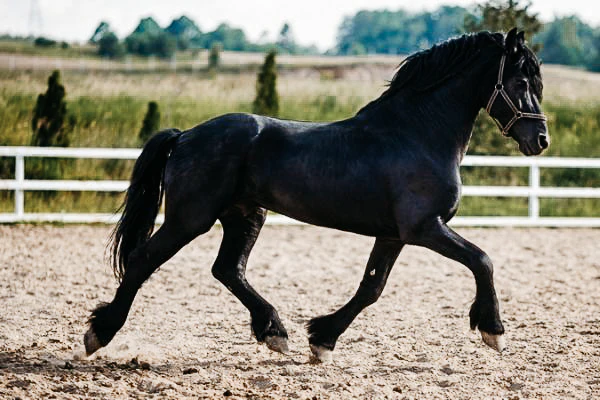
Caring for the skin of Friesian horses requires special attention, particularly when it comes to managing conditions like pastern dermatitis. Friesians are admired for their striking black coats and abundant feathering, but these same features can make them more susceptible to skin issues. Understanding how to prevent, identify, and treat pastern dermatitis is essential for anyone responsible for the well-being of these majestic animals.
This article provides practical advice on Friesian horse skin care, focusing on the causes, symptoms, and effective management of pastern dermatitis. You’ll also find grooming tips, recommended products, and guidance on when to consult a veterinarian. For a broader perspective on these unique horses, the complete guide to Friesian horses offers additional insights into their history, temperament, and care.
Understanding Pastern Dermatitis in Friesians
Pastern dermatitis, sometimes called “mud fever” or “greasy heel,” is a common skin condition affecting the lower legs of horses. Friesians, with their thick feathering and sensitive skin, are particularly prone to this issue. The condition can range from mild irritation to severe inflammation, leading to discomfort and even lameness if not addressed promptly.
Pastern dermatitis is caused by a combination of factors, including prolonged exposure to moisture, mud, and bacteria. The dense feathers on Friesian legs trap moisture and debris, creating an ideal environment for skin infections. Fungal organisms, mites, and even photosensitivity can also contribute to the development of this condition.
Recognizing the Signs of Skin Problems
Early detection is key to effective Friesian horse skin care. Owners should regularly inspect the lower legs and pasterns for:
- Redness or swelling of the skin
- Crusting, scabs, or oozing lesions
- Hair loss or matting in the feathered areas
- Heat or tenderness to the touch
- Reluctance to move or signs of discomfort
If you notice any of these symptoms, it’s important to act quickly. Mild cases can often be managed at home, but severe or persistent issues may require veterinary attention.
Essential Steps for Friesian Horse Skin Care
A proactive approach to grooming and hygiene can help prevent many skin problems in Friesians. Here are some essential steps to include in your routine:
- Keep Legs Clean and Dry: After turnout or exercise, gently rinse mud and debris from the lower legs. Pat the area dry with a clean towel, paying special attention to the skin beneath the feathers.
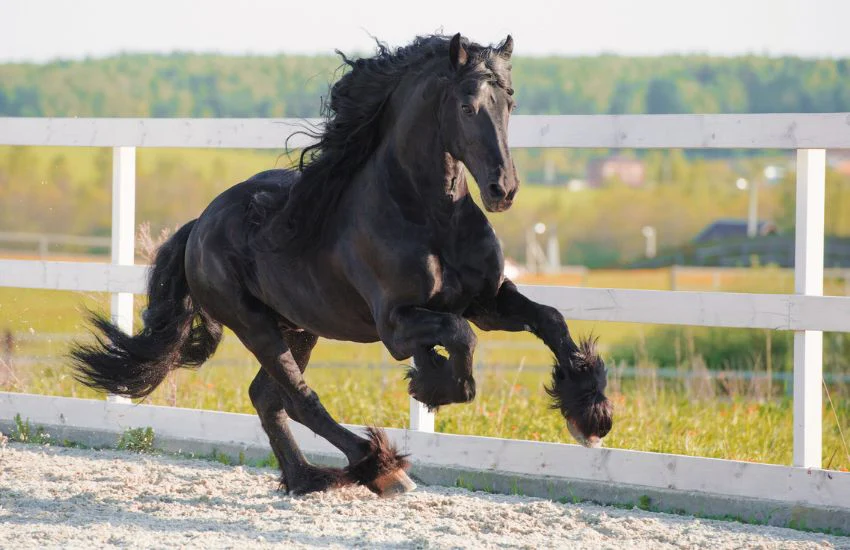
- Regular Feather Maintenance: Carefully separate and inspect the feathers for signs of irritation or parasites. Use a detangling spray or conditioner to prevent matting and breakage.
- Use Appropriate Grooming Tools: Soft brushes and gentle combs are ideal for Friesian coats. For product recommendations, consider the Weaver Grooming Kit and Mane ‘n Tail Combo.
- Monitor Pasture Conditions: Reduce exposure to wet, muddy environments whenever possible. Rotating turnout areas and providing dry shelter can make a significant difference.
- Inspect Daily: Early intervention is the best defense against skin problems. Make leg checks part of your daily routine.
For more grooming advice, these Friesian grooming tips offer helpful techniques tailored to the breed’s unique needs.
Managing and Treating Pastern Dermatitis
If your Friesian develops pastern dermatitis, prompt and consistent care is essential. Here’s a step-by-step approach to managing the condition:
- Clean the Affected Area: Gently wash the legs with a mild, non-irritating shampoo. Avoid harsh scrubbing, which can worsen inflammation.
- Dry Thoroughly: Moisture is the enemy of healing. Use a soft towel to dry the skin completely, especially under the feathers.
- Trim Excess Feathering: In severe cases, carefully trimming the feathers around the pasterns can help the skin breathe and allow treatments to reach the affected area.
- Apply Topical Treatments: Use veterinarian-recommended creams or ointments designed to soothe irritation and fight infection. Zinc oxide, antimicrobial sprays, or prescription medications may be appropriate.
- Protect from Further Irritation: Keep the horse in a dry environment and avoid turnout in muddy paddocks until the skin has healed.
If the dermatitis does not improve within a few days, or if you notice signs of severe infection (such as spreading swelling, heat, or lameness), consult your veterinarian for further evaluation and treatment.
Preventive Measures for Healthy Friesian Skin
Prevention is always preferable to treatment. Incorporating these habits into your Friesian horse skin care routine can minimize the risk of pastern dermatitis and other skin issues:
- Daily Grooming: Consistent grooming removes dirt, sweat, and debris that can irritate the skin and feathers.
- Balanced Nutrition: A diet rich in essential fatty acids, vitamins, and minerals supports healthy skin and coat.
- Parasite Control: Regular deworming and external parasite management reduce the risk of skin irritation from mites or lice.
- Environmental Management: Provide dry, clean bedding and avoid overcrowding in turnout areas.
- Routine Health Checks: Schedule regular veterinary and farrier visits to catch potential issues early.
For more on Friesian horse characteristics and care, the article on interesting facts about Friesian horses is a valuable resource.
When to Seek Veterinary Advice
While many cases of pastern dermatitis can be managed with diligent care, some situations require professional intervention. Contact your veterinarian if:
- The skin is hot, swollen, or extremely painful
- There is a foul odor or pus coming from the lesions
- Your horse develops a fever or shows signs of lameness
- The condition does not improve after several days of home treatment
A veterinarian can diagnose underlying causes, prescribe appropriate medications, and recommend advanced therapies if needed.
Frequently Asked Questions
What makes Friesian horses more prone to pastern dermatitis?
The thick feathering on Friesian horses’ lower legs traps moisture and debris, creating a favorable environment for bacteria and fungi. Their sensitive skin and dark pigmentation may also contribute to increased susceptibility compared to other breeds.
Can I prevent pastern dermatitis by clipping my Friesian’s feathers?
Clipping feathers can help reduce moisture retention and make it easier to monitor the skin, especially during wet seasons. However, some owners prefer to maintain the natural look. If you choose not to clip, be extra diligent with daily grooming and drying.
Are there specific products recommended for Friesian horse skin care?
Yes, gentle shampoos, conditioners, and detanglers designed for sensitive skin are ideal. The Mane ‘n Tail Combo is a popular choice. Always consult your veterinarian before using medicated creams or ointments, especially if your horse has an active skin condition.
Conclusion
Proper skin care is vital for maintaining the health and comfort of Friesian horses. By staying vigilant, practicing good grooming habits, and addressing skin issues promptly, you can help prevent and manage pastern dermatitis effectively. For more in-depth information on Friesian horse care, explore resources like the Friesian horse myths and facts and other expert guides available online.