

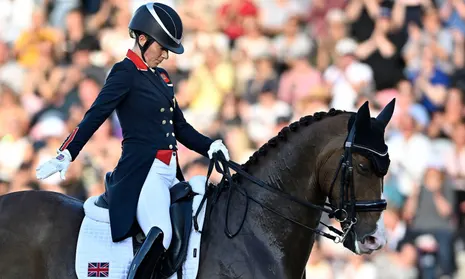
The dressage training scale explained is a foundational concept in classical horse training, guiding riders and trainers through a logical progression to develop a horse’s athleticism, responsiveness, and overall performance. Understanding this scale is essential for anyone aiming to improve their horse’s movement, balance, and partnership in the arena. Whether you are a newcomer to dressage or looking to refine your training approach, this guide will clarify each stage of the scale and offer practical insights for daily practice.
Before diving into the details, it’s helpful to recognize that the training scale is not a rigid checklist but a flexible framework. Each step builds on the previous one, and progress may move back and forth as the horse develops. Riders who grasp these principles can create a more harmonious and effective training experience for both themselves and their horses.
For those also focused on rider safety, understanding how to find the right riding helmet for your head shape is another important aspect of equestrian preparation.
Understanding the Six Stages of the Dressage Training Pyramid
The classical training pyramid consists of six interconnected stages. Each level supports the next, creating a pathway for the horse’s physical and mental development. Let’s break down each stage and explore what it means in practice.
1. Rhythm: The Foundation of Movement
At the base of the pyramid is rhythm. This refers to the regularity and consistency of the horse’s gaits—walk, trot, and canter. A horse moving with clear rhythm demonstrates even, predictable footfalls and a steady tempo. Establishing rhythm is crucial because it sets the stage for all other training elements. Riders should focus on maintaining a consistent pace, avoiding rushing or lagging, and ensuring the horse moves freely forward.
2. Relaxation: Achieving Suppleness and Calmness
Once rhythm is established, relaxation becomes the next priority. Suppleness in both the horse’s body and mind allows for smooth, elastic movement and a willingness to work. Signs of relaxation include a swinging back, soft jaw, and a calm, attentive demeanor. Exercises such as large circles, serpentines, and transitions can help encourage relaxation and reduce tension.
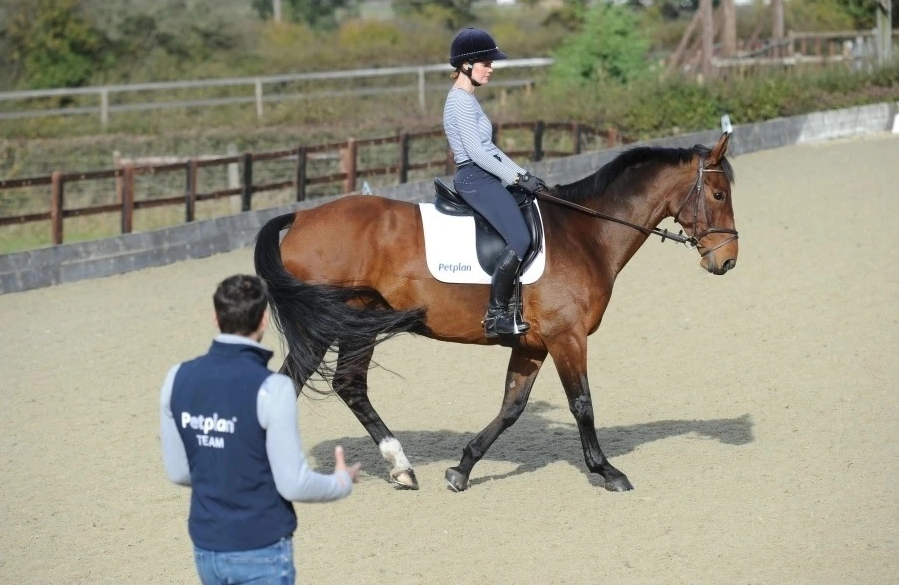
3. Contact: Connection Through the Reins
Contact refers to the soft, steady connection between the rider’s hands and the horse’s mouth via the reins. Good contact is not about pulling or holding, but about allowing the horse to reach into the bit with confidence and trust. The horse should accept the bit willingly, with a light and elastic feel. Achieving proper contact is essential for clear communication and helps prepare the horse for more advanced work.
4. Impulsion: Developing Energy and Thrust
With rhythm, relaxation, and contact in place, the focus shifts to impulsion. This stage is about channeling the horse’s energy from the hindquarters forward, resulting in expressive, powerful movement. Impulsion is not simply speed; it’s the controlled, energetic push that gives the horse’s gaits spring and elasticity. Transitions between gaits, lengthening and shortening strides, and working over ground poles are effective ways to build impulsion.
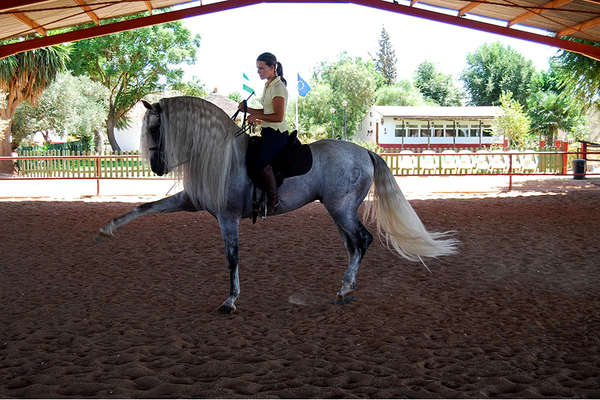
5. Straightness: Alignment and Balance
As the horse gains strength and coordination, straightness becomes a key focus. A straight horse moves with its hind legs following the path of the front legs, carrying weight evenly on both sides. This alignment allows for more balanced turns, transitions, and lateral work. Straightness is essential for achieving true collection and preventing physical strain or uneven muscle development.
6. Collection: Ultimate Balance and Self-Carriage
At the top of the pyramid is collection. In this stage, the horse shifts more weight onto its hindquarters, lightening the forehand and moving with increased elevation and agility. Collection is not about shortening the horse’s frame unnaturally, but about developing strength, balance, and responsiveness. Advanced movements such as pirouettes, piaffe, and passage require a high degree of collection, but its principles benefit horses at every level.
Applying the Training Scale in Daily Practice
Integrating the training scale into everyday riding sessions helps create a consistent and progressive approach. Here are some practical tips for riders:
- Start each session by checking rhythm and relaxation before moving on to more complex exercises.
- Use transitions, circles, and changes of direction to encourage suppleness and attentiveness.
- Focus on light, steady contact rather than forceful rein aids.
- Incorporate ground poles and hill work to build impulsion and strength.
- Monitor straightness by riding on both reins and using mirrors or video for feedback.
- Introduce collection gradually, always prioritizing the horse’s comfort and willingness.
Remember, progress is not always linear. Horses may move up and down the scale depending on their fitness, experience, and confidence. Patience and consistency are key to long-term success.
Common Challenges and Solutions
Even experienced riders encounter obstacles when working through the training scale. Here are some typical issues and ways to address them:
- Lack of rhythm: Focus on riding forward with a light seat and avoid overusing the reins.
- Tension or stiffness: Use gentle bending exercises and reward relaxation with walk breaks.
- Heavy or inconsistent contact: Check your hand position and ensure you’re not gripping or pulling.
- Insufficient impulsion: Use transitions and praise energetic responses to the leg aids.
- Crookedness: Ride on straight lines and use leg-yields to encourage evenness.
For a deeper dive into the principles behind this approach, the dressage priorities and methodology guide offers further reading on the subject.
Why the Training Scale Matters for All Riders
The pyramid is not just for advanced competitors. Riders at every level benefit from understanding and applying these principles. Whether you’re working on basic transitions or aiming for upper-level movements, the scale provides a roadmap for developing a horse that is happy, healthy, and responsive. It also helps riders identify and address training gaps, leading to more enjoyable and productive sessions.
Additionally, the training scale supports the horse’s long-term soundness by promoting correct muscle development and reducing the risk of injury. By focusing on each stage, riders can ensure their horses remain willing partners throughout their careers.
FAQ
What is the purpose of the dressage training pyramid?
The pyramid provides a structured framework for developing a horse’s physical and mental abilities. It helps riders progress logically, ensuring each foundational element is established before moving to more advanced work.
Can I skip stages in the training scale?
While it’s tempting to move quickly, skipping stages can lead to gaps in the horse’s development. Each level supports the next, so it’s important to revisit earlier stages as needed to reinforce the basics.
How long does it take to progress through the training scale?
Progress varies depending on the horse’s age, experience, and temperament. Some horses advance quickly, while others need more time at each stage. Consistency, patience, and attentive training are key factors in success.
Is the training scale only for dressage horses?
No, the principles apply to all disciplines. Jumpers, eventers, and even pleasure horses benefit from improved rhythm, relaxation, contact, impulsion, straightness, and collection.
Where can I learn more about safety and equipment for riding?
For additional information on rider safety and equipment, check out resources such as how to choose a helmet for eventing and importance of a secure helmet retention system.