

The world of horse breeds is rich and diverse, with each breed offering unique qualities in appearance, temperament, and performance. Two of the most admired and historic breeds are the Friesian horse and the Andalusian. Both are known for their striking looks and versatility, but they differ in their origins, physical traits, and suitability for various equestrian disciplines. This article provides a detailed comparison of these two remarkable breeds, helping enthusiasts, riders, and prospective owners understand their similarities and differences.
Whether you are considering which breed might suit your needs or simply want to learn more about these majestic horses, this guide will break down their history, conformation, temperament, and uses. For a deeper dive into one of these breeds, you can also explore our complete guide to Friesian horses for more comprehensive information.
Origins and Historical Background
Understanding the background of each breed provides context for their unique characteristics and enduring popularity. Both the Friesian and Andalusian have centuries-old histories, but their development took place in different parts of Europe and under distinct cultural influences.
Friesian Heritage
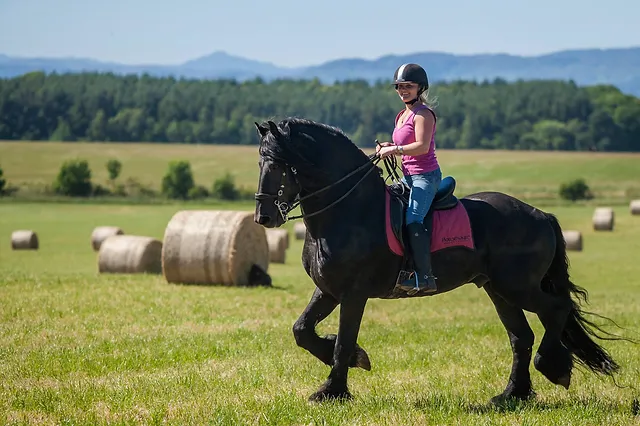
The Friesian horse hails from Friesland, a province in the northern Netherlands. This breed dates back to the Middle Ages, where it was prized as a warhorse for its strength and agility. Over time, Friesians were used in agriculture and carriage driving, and their elegant appearance made them popular in royal courts. Today, they are admired for their black coats, flowing manes, and feathered legs.
Andalusian Roots
The Andalusian, also known as the Pure Spanish Horse (Pura Raza Española), originated on the Iberian Peninsula, particularly in the Andalusia region of Spain. This breed has been revered since the 15th century for its athleticism and intelligence. Andalusians were favored by nobility and played a significant role in the development of classical dressage. Their influence can be seen in many modern horse breeds.
Physical Characteristics: Comparing Appearance
Both breeds are visually stunning, but their physical features set them apart. Here’s a closer look at their conformation and distinguishing traits.
Friesian Conformation
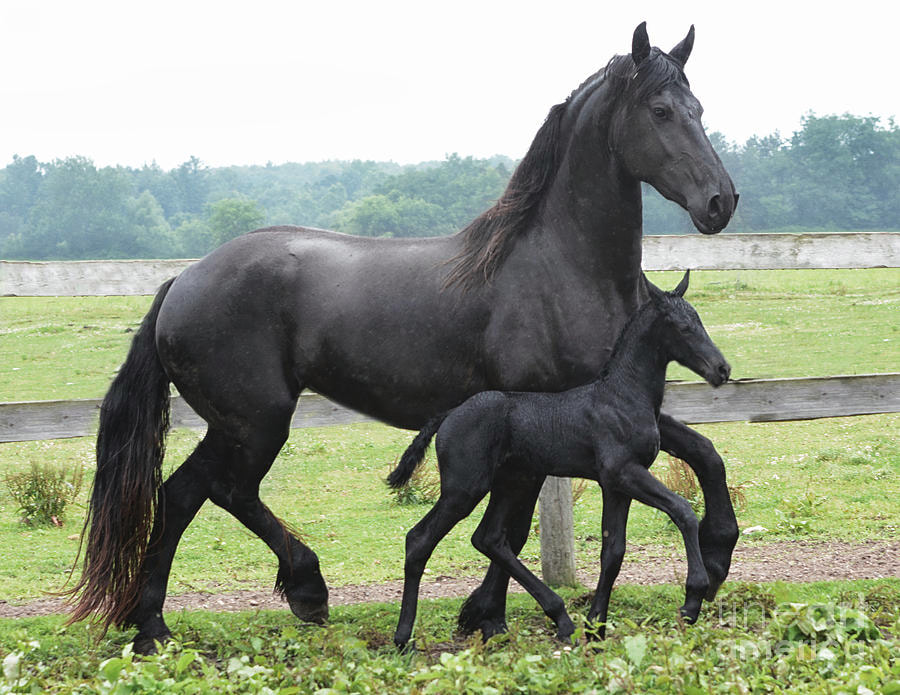
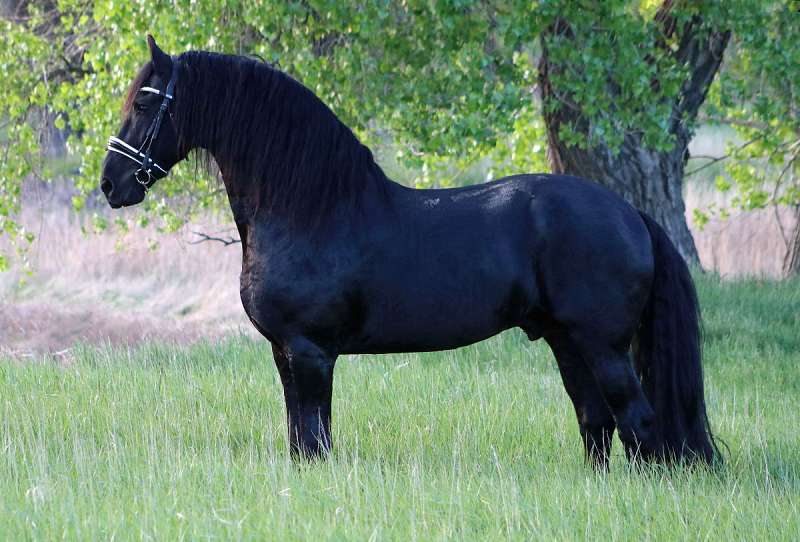
Friesians are instantly recognizable for their solid black coats, though a small star on the forehead is permitted. They stand between 15.2 and 17 hands high. Their build is powerful yet elegant, with a well-arched neck, strong back, and muscular hindquarters. One of their most iconic features is the long, thick mane and tail, along with feathering on the lower legs.
Andalusian Appearance
Andalusians are slightly smaller, typically ranging from 15 to 16.2 hands. They have a compact, well-proportioned body, a broad chest, and a strong, arched neck. While gray is the most common color, they can also be bay, black, or occasionally chestnut. Their manes and tails are long and often wavy, but they lack the heavy feathering seen in Friesians.
Temperament and Trainability
Temperament plays a crucial role in choosing a horse breed, especially for those new to horse ownership or seeking a specific riding experience. Here’s how these two breeds compare in disposition and trainability.
Friesian Personality
Friesians are known for their gentle, willing nature. They are intelligent, eager to please, and form strong bonds with their handlers. This makes them suitable for riders of various skill levels, though their size and energy require confident handling. Friesians excel in disciplines that value presence and style, such as dressage and driving.
Andalusian Disposition
Andalusians are spirited yet manageable. They are highly intelligent, quick learners, and sensitive to their rider’s cues. Their calm demeanor and adaptability make them favorites in dressage, working equitation, and even film and parade work. While they can be energetic, their temperament is generally steady and reliable.
Movement and Performance
Both breeds are celebrated for their expressive movement, but their gaits and athletic abilities are tailored to different uses.
Friesian Movement
Friesians move with a high-stepping, animated trot and a smooth canter. Their action is eye-catching, making them popular in the show ring and for ceremonial purposes. While they are not typically used for high-speed sports, their power and grace shine in harness and classical dressage.
Andalusian Athleticism
Andalusians are agile and balanced, with a natural ability for collection and impulsion. Their movement is fluid and expressive, making them standouts in dressage and other performance arenas. They are also versatile enough for jumping, trail riding, and working cattle, thanks to their athletic build and responsive nature.
Care, Grooming, and Maintenance
Proper care is essential for keeping any horse healthy and happy. While both breeds require standard equine care, there are some breed-specific considerations.
- Friesians need regular grooming, especially for their thick manes, tails, and leg feathering. Special attention should be paid to prevent tangles and skin issues.
- Andalusians have less feathering but still benefit from routine grooming to keep their coats shiny and healthy.
- Both breeds thrive on a balanced diet, regular exercise, and routine veterinary and farrier care.
For more tips on daily care and responsibilities, see our guide on horse ownership responsibilities.
Suitability and Common Uses
Choosing between these breeds often comes down to intended use and personal preference. Here’s how they are commonly enjoyed:
- Friesians are popular in dressage, driving, exhibitions, and as pleasure mounts. Their dramatic appearance also makes them favorites in movies and parades.
- Andalusians excel in dressage, working equitation, jumping, and traditional Spanish riding. Their versatility makes them suitable for a wide range of equestrian activities.
Health and Longevity
Both breeds are generally healthy, but there are some considerations to keep in mind:
- Friesians may be prone to certain genetic conditions, such as dwarfism and hydrocephalus. Their feathered legs can also be susceptible to skin issues if not properly cared for.
- Andalusians are robust but can be predisposed to metabolic issues if not managed with appropriate diet and exercise.
For a detailed look at Friesian health, the Friesian horse breed profile offers additional insights.
Summary Table: Friesian and Andalusian Comparison
| Trait | Friesian | Andalusian |
|---|---|---|
| Origin | Netherlands (Friesland) | Spain (Andalusia) |
| Height | 15.2–17 hands | 15–16.2 hands |
| Color | Black (rarely with small star) | Gray, bay, black, chestnut |
| Temperament | Gentle, willing, people-oriented | Intelligent, spirited, adaptable |
| Best Uses | Dressage, driving, exhibitions | Dressage, working equitation, jumping |
| Grooming Needs | High (mane, tail, feathering) | Moderate (mane, tail) |
Frequently Asked Questions
Which breed is better for beginners?
Both Friesians and Andalusians can be suitable for beginners, thanks to their generally calm and trainable temperaments. However, Friesians’ larger size may require more confident handling, while Andalusians’ sensitivity means they respond best to gentle, consistent cues. It’s important to match the horse’s personality with the rider’s experience level.
Are Friesians or Andalusians more expensive?
Prices vary based on pedigree, training, and location, but both breeds are considered premium. Friesians often command higher prices due to their rarity and dramatic appearance, while Andalusians are also highly valued, especially those with proven performance records.
Can Friesians and Andalusians be used for the same disciplines?
There is overlap in their abilities, particularly in dressage and exhibitions. However, Andalusians are often more versatile in jumping and working equitation, while Friesians are more commonly seen in driving and ceremonial roles.
Conclusion
Both the Friesian and Andalusian are exceptional breeds with rich histories and distinctive qualities. The choice between them depends on your preferences for appearance, temperament, and intended use. By understanding their differences and similarities, you can make an informed decision that suits your equestrian goals. For more on horse behavior and communication, visit our article on equine behavior and communication.