

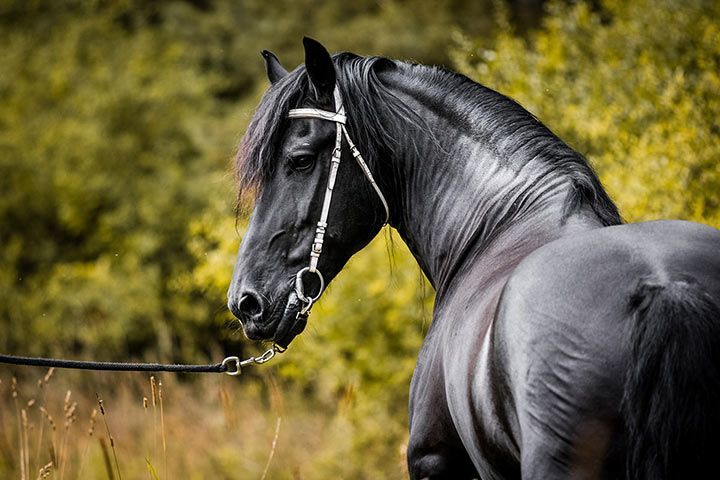
Friesian horses are renowned for their majestic appearance, flowing manes, and gentle temperament. However, their unique physiology and sensitive digestive systems mean that feeding a Friesian horse requires careful attention to detail. A well-balanced diet is essential for maintaining their health, supporting their energy needs, and ensuring their signature glossy coats remain in top condition.
Whether you’re a new Friesian owner or looking to optimize your horse’s nutrition, understanding the breed’s dietary requirements is crucial. This article explores the essentials of proper nutrition, feeding routines, and common pitfalls to avoid. For a broader perspective on this remarkable breed, you can also consult the complete guide to Friesian horses for additional background and care tips.
Understanding Friesian Horse Nutrition
Friesians have a slower metabolism compared to many other horse breeds. This means they are prone to weight gain and metabolic issues if overfed or given the wrong types of feed. Their digestive system is also sensitive, making them susceptible to colic and other gastrointestinal problems if their diet is not managed properly.
The foundation of any Friesian’s diet should be high-quality forage. Good hay or pasture grass provides essential fiber, which is critical for healthy digestion. Unlike some breeds that thrive on high-grain diets, Friesians do best with limited concentrates and a focus on roughage.
Key Components of a Balanced Friesian Diet
When feeding a Friesian horse, it’s important to provide the right mix of nutrients. Here are the main elements to consider:
- Forage: High-quality grass hay or pasture should make up the bulk of the diet. Aim for 1.5–2% of the horse’s body weight in forage daily.
- Concentrates: Only add grains or commercial feeds if your horse has higher energy needs (such as during training or competition). Choose low-starch, high-fiber options to minimize digestive upset.
- Vitamins and Minerals: A vitamin and mineral supplement may be necessary if forage alone doesn’t meet all nutritional requirements. Consult with an equine nutritionist or veterinarian for guidance.
- Fresh Water: Always provide unlimited access to clean, fresh water. Friesians are prone to dehydration, especially in hot weather or after exercise.
- Salt: A plain salt block or loose salt should be available at all times to help maintain electrolyte balance.
Feeding Schedules and Best Practices
Consistency is key when it comes to meal times for Friesians. Sudden changes in diet or irregular feeding can lead to digestive disturbances. Here are some best practices for establishing a healthy routine:
- Feed at the same times each day to support digestive health and reduce stress.
- Divide daily rations into two or three smaller meals rather than one large feeding.
- Introduce any new feed or supplements gradually over 7–10 days to prevent colic or refusal.
- Monitor your horse’s body condition regularly and adjust feed amounts as needed to maintain an ideal weight.
For more on daily routines and responsibilities, see the article on horse ownership responsibilities.
Common Feeding Challenges in Friesians
Friesian horses are prone to certain metabolic and digestive issues, which makes their nutritional management especially important. Here are some common challenges and how to address them:
- Obesity: Due to their slower metabolism, Friesians can easily become overweight. Limit calorie-dense feeds and prioritize forage.
- Insulin Resistance: This breed is at higher risk for metabolic syndrome. Avoid high-sugar feeds and monitor for signs of laminitis.
- Colic: Sensitive digestive systems mean that abrupt changes or poor-quality feed can trigger colic. Always transition diets slowly and maintain clean feeding areas.
- Vitamin Deficiencies: If your horse is on a hay-only diet, consider a ration balancer or vitamin supplement to fill nutritional gaps.
For more detailed nutritional strategies, you can explore nutrition advice tailored for Friesians from equine experts.
Supplements and Special Considerations
While a well-managed diet based on forage will meet most of a Friesian’s needs, some situations call for additional supplementation. Common supplements include:
- Biotin and Omega-3s: To support hoof and coat health, especially during seasonal changes.
- Electrolytes: For horses in heavy work or during hot weather to replace minerals lost through sweat.
- Joint Support: Older Friesians or those in regular training may benefit from glucosamine or MSM supplements.
Always consult with your veterinarian before adding new supplements to your horse’s regimen. Over-supplementation can be just as harmful as deficiencies.
Monitoring Health and Adjusting Diet
Regularly assess your Friesian’s body condition, coat quality, and energy levels. Use a weight tape or scale to track changes and adjust feed as needed. If you notice changes in appetite, behavior, or manure consistency, consult your veterinarian promptly.
It’s also helpful to keep a feeding log, especially if multiple people are involved in your horse’s care. This ensures consistency and helps identify any patterns if issues arise.
For more insights into equine communication and recognizing signs of discomfort or dietary distress, visit the resource on equine behavior and communication.
Frequently Asked Questions
What type of hay is best for Friesian horses?
High-quality grass hay, such as timothy or orchard grass, is ideal for Friesians. Alfalfa can be fed in moderation but is often too rich for daily use. Always ensure hay is free from dust, mold, and weeds.
How much should I feed my Friesian horse each day?
Most adult Friesians require 1.5–2% of their body weight in forage daily. For a 1,200-pound horse, this equates to 18–24 pounds of hay or pasture. Adjust amounts based on body condition, activity level, and seasonal changes.
Can Friesians have treats or snacks?
Yes, but treats should be healthy and given in moderation. Carrots, apples, and commercial horse treats are suitable. Avoid sugary snacks, bread, or anything that could upset their sensitive digestive system.
Do Friesians need grain in their diet?
Not all Friesians require grain. Many maintain healthy weights and energy levels on forage alone. Only add grain or concentrates if your horse has higher caloric needs, and always choose low-starch, high-fiber options.
How can I tell if my Friesian’s diet is working?
Signs of a well-balanced diet include a shiny coat, healthy hooves, steady energy, and good body condition. Regular veterinary checkups and body condition scoring help ensure your feeding plan is on track.
Meeting the nutritional requirements of your Friesian is a rewarding responsibility that pays off in their health, performance, and happiness. By focusing on high-quality forage, careful supplementation, and consistent routines, you’ll help your horse thrive for years to come. For more tips on becoming a better horse owner, check out advice on how to become a better horse owner and explore equestrian lifestyle tips to balance your barn time and daily life.