

Friesian horse carriage driving is a captivating equestrian discipline that blends tradition, elegance, and skill. Known for their striking appearance and gentle temperament, Friesians have long been favored for pulling carriages in both competitive and recreational settings. Whether you are new to the world of driving or looking to refine your understanding, this guide covers the essential equipment, foundational techniques, and best practices for working with these magnificent horses.
Before diving into the specifics, it’s helpful to understand the unique qualities of Friesians that make them ideal for carriage work. Their powerful build, high-stepping gait, and calm demeanor contribute to their popularity in driving events and parades. For a deeper look at the breed’s history and characteristics, the complete guide to Friesian horses offers a comprehensive overview.
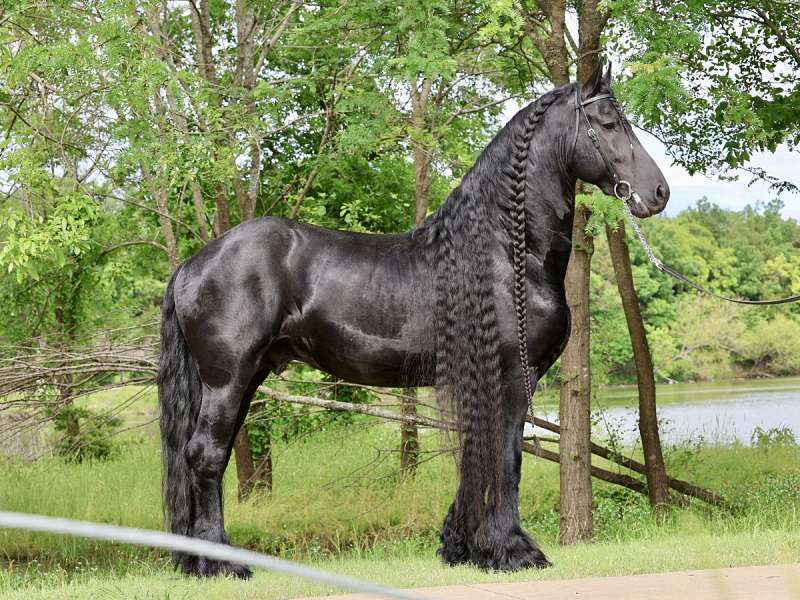
Essential Equipment for Friesian Carriage Work
Proper equipment is the foundation of safe and effective carriage driving. Outfitting your Friesian with the right gear ensures comfort, control, and a polished appearance. Here’s a breakdown of the main components:
- Harness: The harness is the most critical piece, distributing weight and allowing the driver to communicate with the horse. For Friesians, a well-fitted breast collar or full collar harness is recommended, as their broad chests and strong necks require robust support.
- Bridle and Bit: A driving bridle with blinkers helps the horse focus, while the bit should suit the horse’s mouth and experience level. Many drivers prefer a Liverpool or butterfly bit for added leverage and control.
- Carriage: The type of carriage depends on your goals. For pleasure drives, a two- or four-wheeled cart is common. In competitions, traditional or modern marathon carriages are used. Ensure the vehicle is well-balanced and appropriately sized for your Friesian.
- Safety Gear: Don’t overlook gloves, a driving whip, and a helmet for the driver. Reflective gear and lights are essential for road driving.
Maintaining your equipment is as important as the initial selection. Regularly check for wear, clean leather parts, and ensure all buckles and fastenings are secure before every outing.
Preparing Your Friesian for Carriage Driving
Preparation goes beyond equipment. Grooming, groundwork, and proper training set the stage for a successful driving partnership. Friesians, with their long manes and feathered legs, require diligent grooming to prevent tangles and skin issues. Using quality grooming tools and products can make this process easier and more effective.
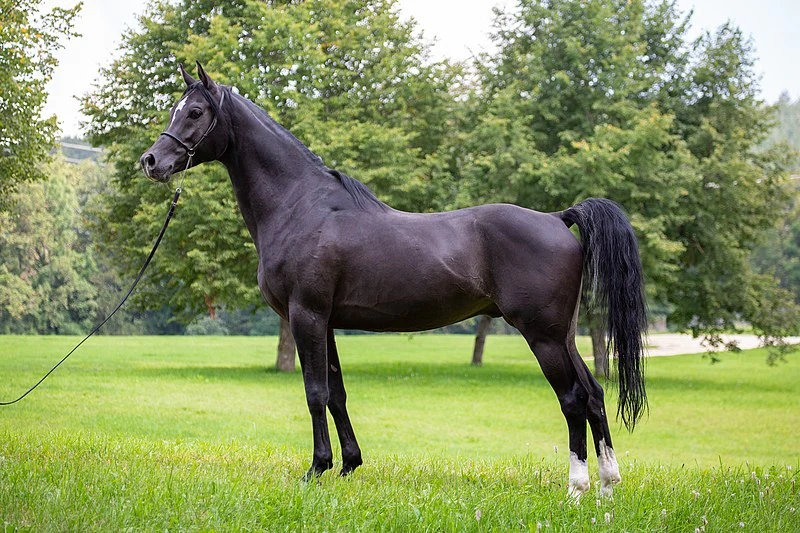
Before hitching up, spend time on groundwork to reinforce voice commands, desensitization, and responsiveness. This is especially important for young or inexperienced horses. Building a strong foundation on the ground translates to better behavior and safety when driving.
For more tips on understanding your horse’s body language and communication, check out the article on equine behavior and communication.
Techniques for Safe and Effective Driving
Driving a Friesian requires a blend of horsemanship, patience, and technical skill. Here are some core techniques and best practices:
- Mounting and Hitching: Always harness and hitch your horse in a calm, controlled environment. Double-check all straps, traces, and connections before moving off.
- Starting and Stopping: Use clear, consistent voice commands paired with gentle rein cues. Friesians are intelligent and responsive, so avoid abrupt movements or harsh corrections.
- Steering and Speed Control: Maintain light, steady contact on the reins. Practice transitions between walk, trot, and halt, rewarding your horse for prompt responses.
- Turns and Maneuvering: Approach turns slowly, especially with larger carriages. Friesians’ agility and strength allow for smooth navigation, but always prioritize safety and balance.
- Dealing with Distractions: Expose your horse gradually to new environments, noises, and obstacles. Consistent training builds confidence and reduces the risk of spooking.
Many drivers find it helpful to work with an experienced instructor or join a local driving club for additional support and feedback.
Maintaining Your Friesian’s Health and Condition
Carriage driving is physically demanding for both horse and driver. Regular veterinary checkups, a balanced diet, and an appropriate exercise routine are essential for keeping your Friesian healthy and happy. Pay special attention to the legs and hooves, as the extra weight and repetitive motion can lead to strain if not managed properly.
Routine grooming not only keeps your horse looking its best but also helps you spot potential health issues early. Consider using gentle shampoos and conditioners designed for horses with long manes and tails to prevent breakage and matting.
For more on the daily responsibilities and care involved in horse ownership, explore the detailed breakdown in the horse ownership responsibilities resource.
Participating in Friesian Driving Events
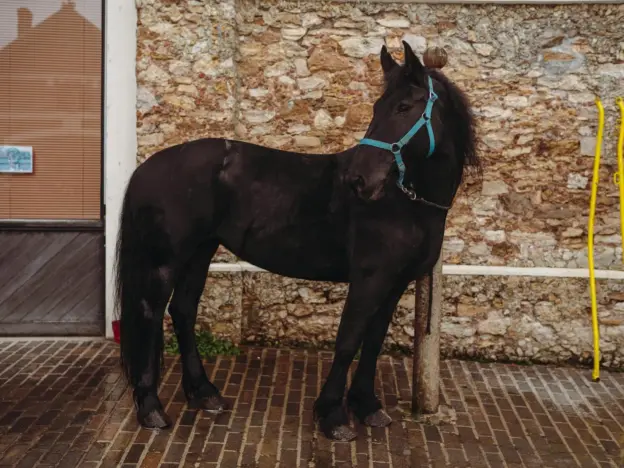
Once you and your horse are comfortable with the basics, you may want to participate in shows, parades, or pleasure drives. Friesians are often featured in breed showcases and driving competitions, where their presence and movement are highly prized. Before entering an event, review the rules and requirements, and ensure your turnout (horse, harness, and carriage) meets the standards.
Networking with other drivers and attending local events is a great way to learn, share experiences, and enjoy the camaraderie of the driving community. For those interested in the broader history and global appreciation of Friesians, this in-depth look at the Friesian horse breed offers valuable context.
Tips for Success and Enjoyment
To make the most of your driving experience, keep these tips in mind:
- Invest time in building a trusting relationship with your horse through consistent training and positive reinforcement.
- Keep learning—attend clinics, read reliable resources, and seek feedback from experienced drivers.
- Prioritize safety at all times, both for yourself and your horse.
- Enjoy the process and celebrate progress, no matter how small.
For lifestyle advice on balancing your equestrian pursuits with daily life, the article on equestrian lifestyle tips provides practical suggestions.
Frequently Asked Questions
What makes Friesians especially suited for carriage driving?
Friesians are known for their strength, stamina, and calm temperament. Their high-stepping action and striking appearance make them stand out in harness, while their willingness to learn and work with people contributes to their reliability in driving disciplines.
How do I choose the right harness for my Friesian?
Select a harness that fits your horse’s size and build. Friesians often require custom or adjustable harnesses due to their broad chests and necks. Look for quality materials, padded areas for comfort, and ensure all straps and buckles are secure and in good condition.
Can beginners learn to drive Friesian horses safely?
Yes, with proper instruction and patience, beginners can enjoy driving Friesians. It’s important to start with groundwork, use suitable equipment, and work with an experienced trainer or mentor. Safety should always be the top priority, especially when learning new skills.