

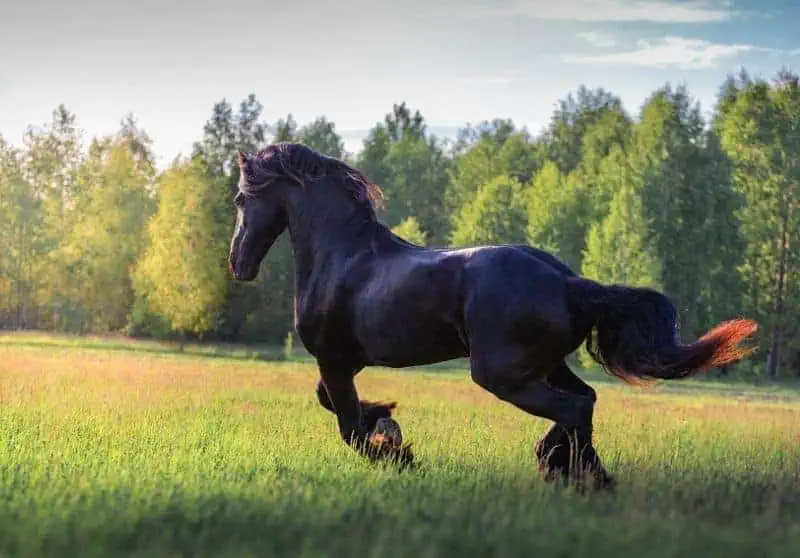
Friesian horse social behavior is a fascinating subject for anyone interested in equine companionship, herd dynamics, and the unique qualities of this iconic breed. Known for their striking appearance and gentle temperament, Friesians are deeply social animals that thrive in environments where they can interact with other horses. Understanding how these horses communicate, form bonds, and establish their place within a group can help owners, riders, and enthusiasts provide better care and build stronger connections with their equine partners.
Whether you are a seasoned Friesian owner or simply curious about their natural instincts, learning about their social habits is essential. These horses have evolved to live in herds, relying on complex communication and relationships for safety and well-being. By observing their interactions, you can gain insights into their needs, preferences, and the best ways to support their mental and emotional health.
For those looking to deepen their understanding beyond this overview, the complete guide to Friesian horses offers a comprehensive look at breed history, care, and characteristics. Exploring these resources can enhance your appreciation for Friesian horses and their remarkable social nature.
Understanding Herd Dynamics in Friesians
Friesians, like all horses, are herd animals by nature. Their ancestors survived on the open plains by forming tight-knit groups, relying on each other for protection and companionship. In modern settings, these instincts remain strong. Within a group, Friesians establish a clear social hierarchy, or pecking order, which helps maintain harmony and reduces conflict.
The structure of a Friesian herd is typically led by a dominant horse, often a mare, who guides the group and makes decisions about movement and safety. Subordinate horses accept their roles, and disputes are usually resolved through subtle body language rather than aggression. This social order is not static; it can shift as new horses are introduced or as individuals mature and gain confidence.
Observing Friesians in a pasture reveals a range of social behaviors, from mutual grooming and playful chasing to more serious posturing and boundary-setting. These interactions are essential for mental stimulation and emotional well-being, helping to prevent boredom and stress-related issues.
Key Elements of Friesian Horse Social Behavior
Several behaviors are characteristic of Friesian horses when interacting with their peers. These include:
- Mutual Grooming: Friesians often stand side by side, using their teeth and lips to groom each other’s necks and backs. This not only strengthens bonds but also helps with hygiene and relaxation.
- Playful Interaction: Young Friesians, in particular, engage in playful chasing, nipping, and mock fighting. These activities help develop social skills and physical coordination.
- Body Language Communication: Subtle cues such as ear position, tail swishing, and head movements convey mood and intent. Understanding these signals is crucial for anyone working with Friesians, as it allows for safer and more effective handling.
- Establishing Boundaries: Friesians use gentle nudges, pinned ears, or even a quick kick to communicate personal space or assert dominance. These behaviors are rarely aggressive but serve to maintain order within the group.
For a deeper dive into how horses communicate, the article on equine behavior and communication provides valuable insights into interpreting body language and vocalizations.
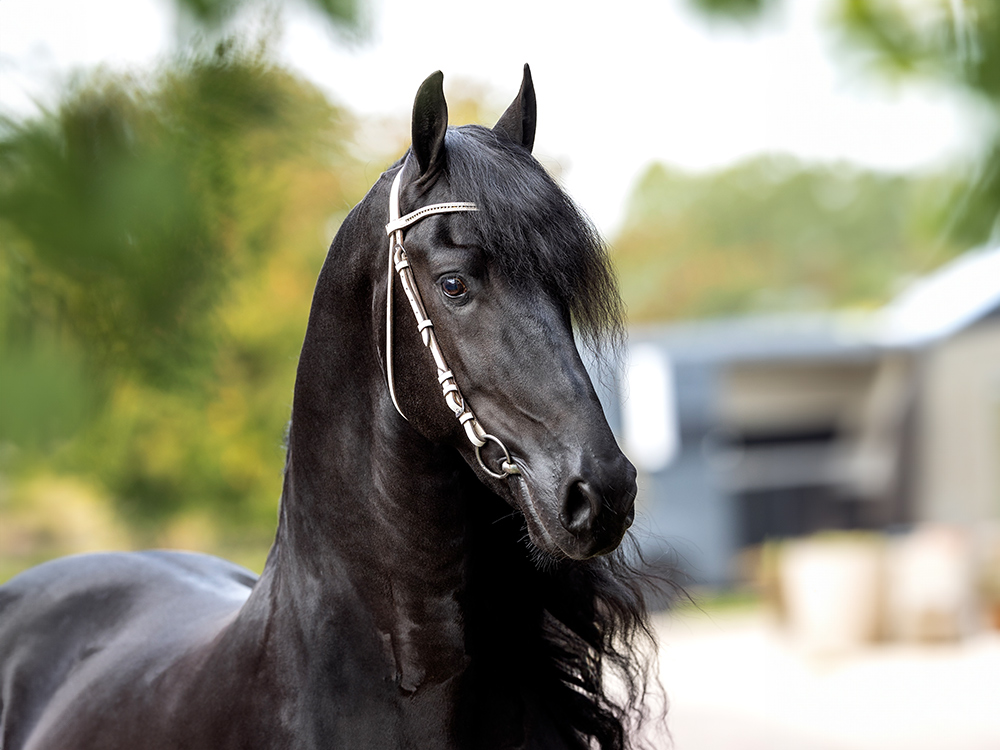
Bonding and Friendship Among Friesians
One of the most endearing aspects of Friesian horses is their capacity for forming deep friendships. These bonds can develop between two horses or extend to a small group, and they are often expressed through close physical proximity, synchronized movements, and mutual support during stressful situations.
Friesians that have bonded will often graze together, rest side by side, and seek each other out for comfort. When separated, bonded horses may show signs of anxiety or call out to one another. This strong attachment highlights the importance of companionship in their daily lives.
Owners can support these relationships by allowing Friesians ample time to interact with herd mates, providing opportunities for group turnout, and minimizing unnecessary separations. For those interested in building a stronger relationship with their own horse, the guide on how to become a better horse owner offers practical advice for connecting with equines on a deeper level.
Communication and Signals in Friesian Herds
Effective communication is at the heart of Friesian herd life. These horses use a combination of vocalizations, body postures, and facial expressions to convey information. Recognizing these signals can help handlers anticipate behavior and respond appropriately.
- Vocalizations: Friesians may whinny, nicker, or snort to greet herd mates, express excitement, or signal alarm.
- Facial Expressions: Changes in eye shape, nostril flare, and mouth tension can indicate relaxation, curiosity, or agitation.
- Posture: A relaxed horse will have a soft, rounded body, while tension or dominance is shown through raised heads, arched necks, and squared stances.
Learning to read these cues not only enhances safety but also deepens the bond between humans and horses. For those managing a group of Friesians, being attentive to these signals can help prevent conflicts and promote harmony within the herd.
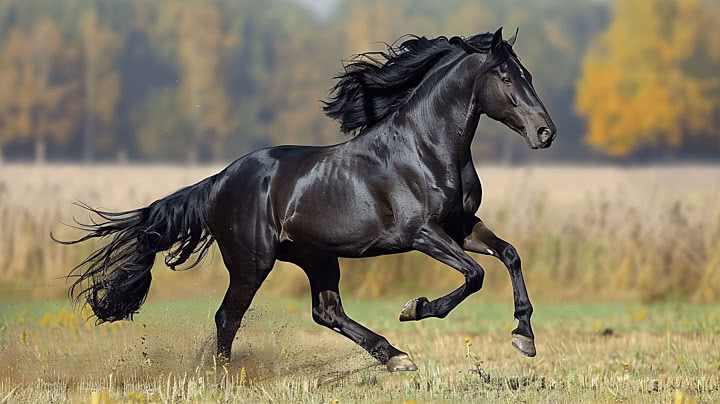
Supporting Friesian Social Needs in Domestic Settings
While Friesians are adaptable, their well-being depends on meeting their social requirements. In domestic environments, it is important to replicate natural herd conditions as much as possible. This includes:
- Group Turnout: Allowing Friesians to spend time with other horses in a pasture or paddock encourages healthy socialization and exercise.
- Consistent Companionship: If keeping only one Friesian, consider providing a companion animal such as a pony or donkey to prevent loneliness.
- Enrichment Activities: Toys, varied environments, and regular interaction with humans can help satisfy social and mental needs, especially when herd turnout is limited.
Regular grooming sessions are another way to strengthen bonds. Not only do they mimic the mutual grooming seen in herds, but they also provide an opportunity for owners to check for health issues and build trust. For tips on maintaining a Friesian’s coat and mane, see these Friesian grooming tips from experienced breeders.
Common Challenges in Friesian Group Living
Despite their generally gentle nature, Friesians can face challenges when living in groups. Introducing new horses, changes in herd composition, or limited space can lead to temporary tension. Some common issues include:
- Resource Guarding: Competition for food, water, or shelter may cause disputes. Providing multiple feeding stations and ample space can minimize conflict.
- Separation Anxiety: Strong bonds can result in stress when friends are separated. Gradual transitions and positive reinforcement can help ease anxiety.
- Injury Risk: Playful or dominant behaviors may occasionally lead to minor injuries. Monitoring interactions and intervening when necessary helps keep all horses safe.
Understanding these challenges and proactively managing the environment ensures that Friesians remain happy, healthy, and socially fulfilled. For those considering adding a Friesian to their herd, reviewing horse ownership responsibilities is a helpful step in preparing for their unique needs.
Frequently Asked Questions
How do Friesian horses typically greet each other?
Friesians greet each other using a combination of vocalizations, such as soft nickers, and physical gestures like sniffing noses or gentle nudging. These greetings help reinforce social bonds and establish trust within the group.
Can Friesians live happily with other horse breeds?
Yes, Friesians generally get along well with other breeds, provided that introductions are managed carefully and all horses have enough space. Their calm temperament often makes them good companions, but individual personalities should always be considered.
What are signs of stress in Friesian horses when separated from herd mates?
Common signs include increased vocalization, pacing, loss of appetite, and restlessness. Providing gradual separations, enrichment, and, if possible, visual contact with other horses can help reduce stress during these times.
Conclusion
Friesian horses are social, intelligent animals that rely on interaction and herd bonding for their well-being. By understanding their natural behaviors, providing opportunities for companionship, and supporting their social needs, owners can ensure these majestic horses lead happy, fulfilling lives. Whether in a large herd or a small group, Friesians thrive when their instincts are respected and nurtured.