

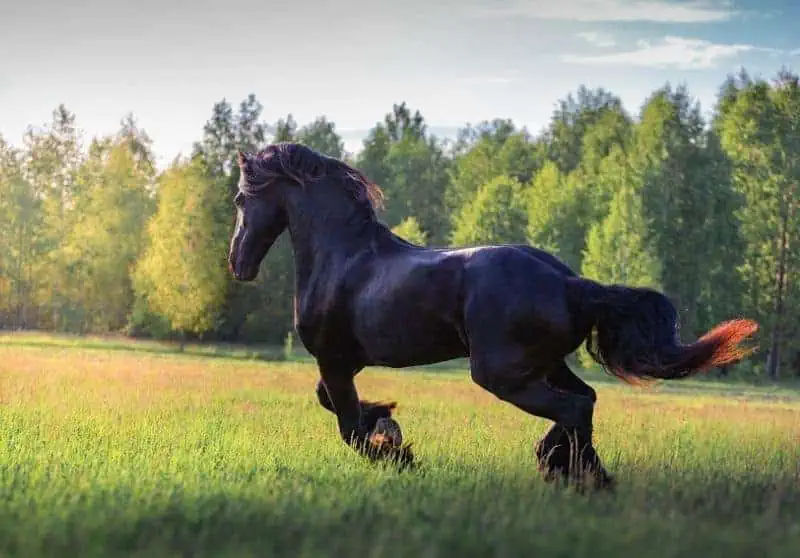
The Friesian horse conformation basics are essential for anyone interested in understanding what makes this breed unique. Known for their striking black coats, flowing manes, and powerful yet elegant movement, Friesians have a distinct physical structure that sets them apart from other horse breeds. Whether you are a breeder, rider, or simply an admirer, learning about their build helps you appreciate their capabilities and health needs.
Conformation refers to the physical structure and proportions of a horse. In Friesians, this means a harmonious combination of strength, grace, and balance. Recognizing proper conformation is important not only for show standards but also for the horse’s long-term soundness and suitability for various disciplines. For a comprehensive look at this breed’s history, temperament, and care, see the complete guide to Friesian horses.
Understanding the Ideal Friesian Build
The Friesian’s build is both functional and visually impressive. The breed standard emphasizes a noble head, arched neck, strong topline, and well-muscled hindquarters. These features are not just for appearance—they contribute to the horse’s athleticism and versatility in riding and driving.
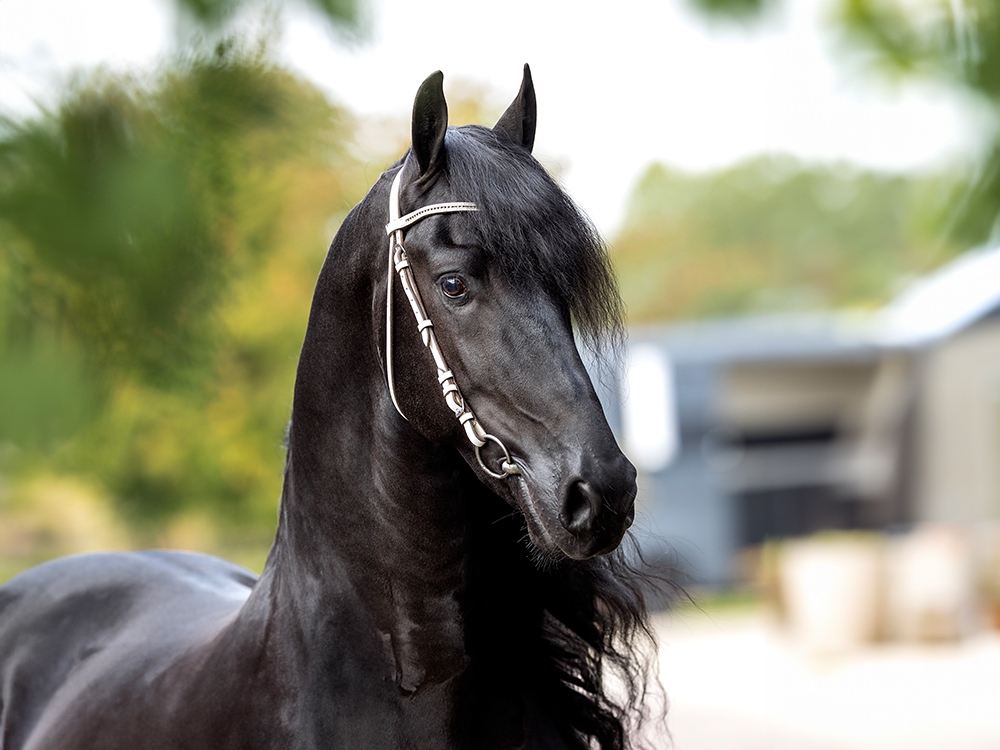
- Head: The head should be expressive, with a straight or slightly convex profile, large eyes, and small, alert ears.
- Neck: A long, well-set neck with a pronounced arch is desirable. This allows for high, elegant carriage and flexibility.
- Shoulders: Sloping shoulders contribute to smooth movement and a comfortable ride.
- Back and Topline: The back should be strong and slightly sloping, blending into a muscular croup.
- Legs: Clean, straight legs with ample bone and well-defined joints are crucial for soundness. Feathering on the lower legs is a classic Friesian trait.
- Hooves: Well-shaped, tough hooves support the horse’s weight and activity.
These characteristics are the foundation of the breed’s reputation for power and beauty. A Friesian with correct proportions will move with a high-stepping, animated gait that is both eye-catching and efficient.
Key Elements of Friesian Horse Conformation
To evaluate Friesian horse conformation basics, it’s helpful to break down the main body regions and what to look for in each:
Head and Neck
The head should be in proportion to the body, with a gentle expression and wide nostrils for efficient breathing. The neck must rise smoothly from the shoulders, showing a graceful arch that allows for collection and self-carriage. This is especially important for dressage and driving disciplines, where head and neck position affect performance.
Shoulders, Withers, and Back
Friesians should have sloping shoulders that allow for free, expressive movement. The withers are moderately pronounced, blending into a strong, slightly curved back. A well-developed topline is essential for carrying a rider or harness comfortably and efficiently. The back should not be too long, as this can lead to weakness and difficulty in collection.
Hindquarters and Legs
Powerful hindquarters are a hallmark of the breed. The croup should be broad and muscular, providing the drive needed for high-stepping gaits. The legs must be straight and sturdy, with ample bone and strong joints. Feathering—long hair on the lower legs—is a signature feature, but it should not hide any structural flaws.
Correct leg conformation is vital for soundness and longevity. Common faults to watch for include cow hocks (inward-turning hocks), sickle hocks (excessive angulation), and toeing in or out. These issues can affect movement and increase the risk of injury.
Movement and Gait in Friesians
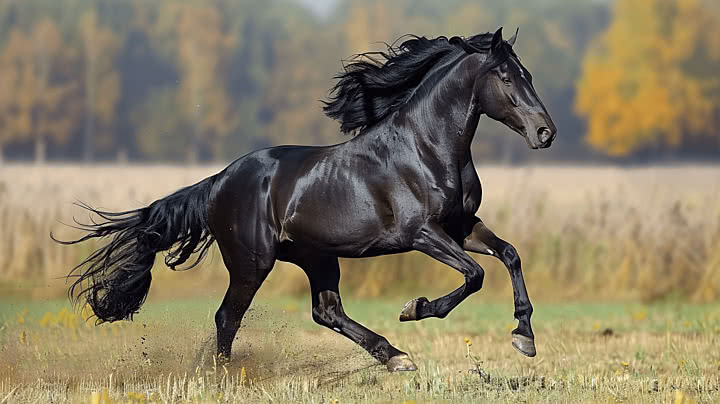
Movement is a key indicator of good structure. Friesians are known for their animated, high-stepping trot and rhythmic walk. The canter should be balanced and uphill, with the horse engaging its hindquarters and lifting through the shoulders. Proper conformation supports these movements, while faults can lead to inefficient or uncomfortable gaits.
When observing a Friesian in motion, look for:
- Even, ground-covering strides
- Active hind leg engagement
- Lifted forehand with minimal knee and hock strain
- Symmetry and straightness in all gaits
These qualities are not only beautiful to watch but also important for the horse’s health and performance in sport or leisure activities.
Common Conformation Flaws and Their Impact
While Friesians are bred for ideal structure, no horse is perfect. Some common conformation flaws include:
- Overly long back: Can lead to weakness and difficulty in collection.
- Short, upright neck: Limits flexibility and elegance in movement.
- Weak hindquarters: Reduces power and can affect gait quality.
- Poor leg alignment: Increases risk of lameness and injury.
Understanding these issues helps owners and breeders make informed decisions. Regular assessment and proper training can help manage minor flaws, but severe issues may limit a horse’s suitability for certain activities.
For those interested in the daily care and responsibilities that come with horse ownership, including managing conformation challenges, the article on horse ownership responsibilities provides practical advice.
Grooming and Maintenance for Optimal Structure
Maintaining a Friesian’s structure goes beyond genetics. Proper grooming, nutrition, and exercise all play a role in supporting healthy conformation. Regular grooming not only keeps the coat and feathering in top condition but also allows you to check for injuries or changes in muscle tone.
For expert tips on grooming this breed’s unique mane and tail, see these Friesian grooming tips. The right products and techniques can help prevent tangles and skin issues, keeping your horse looking and feeling its best.
Evaluating Friesian Conformation for Breeding and Sport
When selecting a Friesian for breeding or sport, it’s important to assess conformation with a critical eye. Look for horses that meet the breed standard and show athletic potential. Consider the horse’s movement, temperament, and overall health, as these factors all contribute to long-term success.
Attending breed inspections or keuring events can provide valuable insight into how professionals evaluate structure and movement. These events often include detailed assessments and scoring, helping owners understand where their horse excels and where improvement is needed.
For those looking to deepen their understanding of equine behavior and communication, the resource on equine behavior and communication can help you interpret your horse’s body language and responses during handling and training.
Frequently Asked Questions
What is the most important feature in Friesian conformation?
While all aspects are important, the combination of a well-arched neck, strong topline, and powerful hindquarters is particularly valued. These features support the breed’s signature movement and overall health.
How can I tell if a Friesian has good structure?
Look for balanced proportions, straight legs, a strong back, and expressive movement. Attending breed shows or consulting with experienced breeders can help you learn to spot correct conformation.
Do conformation flaws affect a Friesian’s performance?
Yes, significant flaws can impact movement, comfort, and soundness. Minor imperfections may be manageable with proper care and training, but serious issues can limit the horse’s abilities and longevity.
Conclusion
Understanding Friesian horse conformation basics is key to appreciating this breed’s beauty and versatility. By learning to recognize ideal structure and movement, you can make informed decisions whether you are selecting a horse for breeding, sport, or companionship. Regular assessment, proper care, and ongoing education will help you support your Friesian’s health and performance for years to come.