

The Friesian horse is instantly recognizable for its striking black coat, flowing mane, and powerful build. But beyond their beauty, many equestrians and horse enthusiasts are curious about how large these horses actually grow. Understanding Friesian horse size and height is important for anyone considering ownership, riding, or simply appreciating this majestic breed. This article explores the typical measurements, growth patterns, and factors that influence how big Friesians get, along with practical considerations for care and handling.
For a deeper look at the breed’s unique traits and history, the complete guide to Friesian horses offers a comprehensive overview.
Typical Height Range for Friesian Horses
When discussing Friesian horse size and height, the breed standard provides clear guidelines. Most adult Friesians stand between 15.0 and 17.0 hands high (60 to 68 inches, or 152 to 173 cm at the withers). The average height for mature stallions and geldings is around 16 hands (64 inches, 163 cm), while mares may be slightly shorter, often ranging from 15.2 to 16 hands.
Breed registries, such as the Koninklijke Vereniging “Het Friesch Paarden-Stamboek” (KFPS), require stallions to be at least 15.3 hands (63 inches, 160 cm) at the age of three to be considered for breeding approval. This ensures the preservation of the Friesian’s impressive stature and presence.
Weight and Body Build
In addition to their height, Friesians are known for their substantial build. Adult horses typically weigh between 1,200 and 1,400 pounds (545 to 635 kg). Their bodies are muscular, with a deep chest, strong hindquarters, and a thick neck. This robust frame contributes to their power and elegance, making them suitable for both riding and driving disciplines.
Growth Stages and Maturity
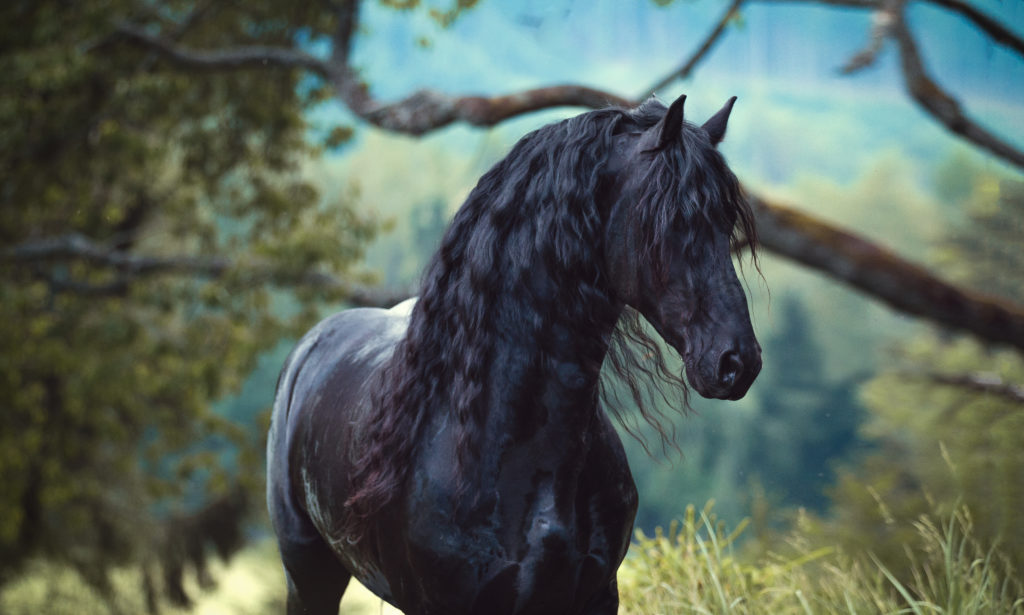
Friesian foals are typically born weighing between 100 and 150 pounds (45 to 68 kg) and stand about 3 feet (91 cm) tall at the withers. Like most horse breeds, Friesians experience their fastest growth during the first year of life. By the time they reach one year old, many have already achieved about 60% of their adult height.
Most Friesians reach their full height by age four or five, although they may continue to fill out and gain muscle until age six or seven. Proper nutrition and care during these formative years are essential for healthy development and achieving the breed’s characteristic size.
Factors Influencing Friesian Horse Size
Several variables can affect how large an individual Friesian grows:
- Genetics: The horse’s lineage plays a major role in determining height and build. Offspring of taller parents are more likely to be taller themselves.
- Nutrition: Adequate feeding, especially during the first two years, supports optimal growth. Deficiencies can stunt development, while overfeeding can cause health issues.
- Health: Illness or injury during growth periods may impact the final size of the horse.
- Gender: Stallions and geldings are usually taller and heavier than mares.
For more on how horses communicate their needs and health status, see the article on equine behavior and communication.
How Friesians Compare to Other Breeds
Friesians are considered a light draft breed, meaning they are heavier and taller than most riding horses but not as massive as full draft breeds like the Shire or Clydesdale. Their size places them in a unique category—large enough for carriage and harness work, yet athletic and refined for dressage and pleasure riding.
| Breed | Average Height (hands) | Average Weight (lbs) |
|---|---|---|
| Friesian | 15.0–17.0 | 1,200–1,400 |
| Arabian | 14.1–15.1 | 800–1,000 |
| Quarter Horse | 14.3–16.0 | 950–1,200 |
| Shire | 16.2–17.2 | 1,800–2,400 |
This comparison shows that Friesians are larger than most light riding breeds but smaller than the heaviest draft horses.
Practical Considerations for Owners and Riders
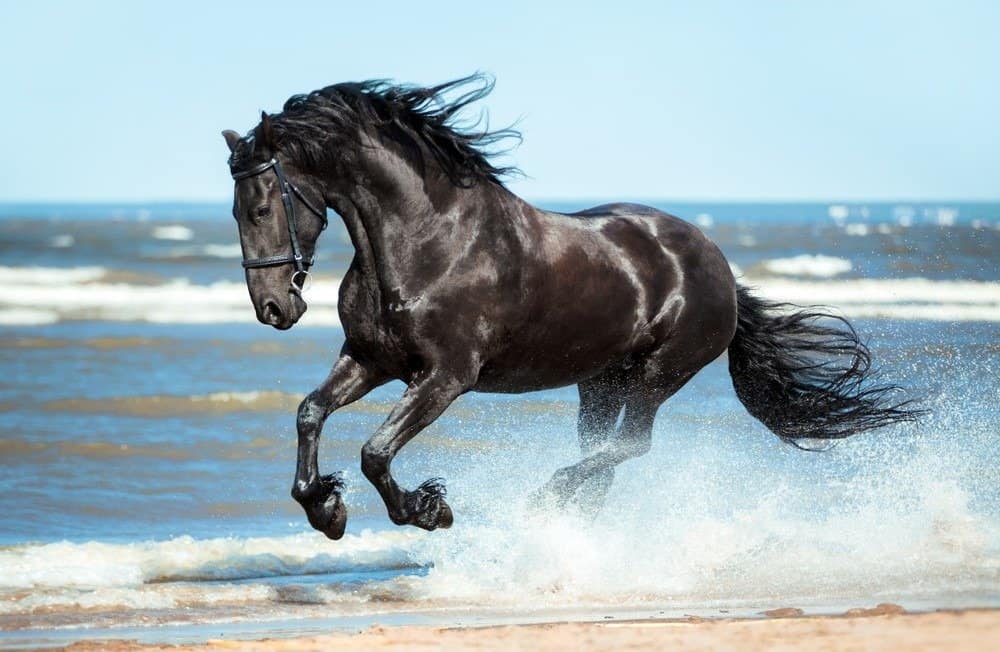
Owning or working with a Friesian means accommodating their larger size in several ways:
- Stabling: These horses require spacious stalls and turnout areas to move comfortably.
- Tack: Saddles, bridles, and harnesses must fit their broad backs and strong necks.
- Transport: Trailers should be tall and wide enough to safely accommodate their height and weight.
- Feeding: Their robust build means they may need more forage and careful management to maintain a healthy weight.
For those new to horse care, understanding horse ownership responsibilities is essential before bringing home a Friesian or any large breed.
Historical Perspective on Friesian Size
The Friesian’s impressive stature is not a recent development. Historical records show that these horses have been bred for size and strength for centuries, originally serving as war horses and later as carriage and farm horses. Their consistent height and build are a testament to careful breeding practices in the Netherlands, as detailed in the history of the Friesian horse.
Frequently Asked Questions
Are Friesian horses suitable for taller riders?
Yes, Friesians are a great choice for taller or heavier riders due to their height and strong build. Their broad backs provide a comfortable seat, and their calm temperament makes them suitable for riders of various experience levels.
Do Friesians keep growing after age five?
Most Friesians reach their full height by age five, but they may continue to gain muscle and fill out until age six or seven. Proper nutrition and exercise during these years help them achieve their full potential.
How does Friesian size affect their care?
Their larger size means Friesians need more space, appropriately sized tack, and careful attention to diet and hoof care. Owners should be prepared for higher feed costs and regular grooming to maintain their signature mane and tail.
Summary
Understanding Friesian horse size and height is key for anyone interested in this iconic breed. With their impressive stature, strong build, and gentle nature, Friesians are well-suited for a variety of equestrian pursuits. Whether you’re considering riding, driving, or simply admiring these horses, knowing what to expect in terms of size helps ensure a positive experience for both horse and handler. For more tips on caring for large breeds and balancing equestrian life, explore our equestrian lifestyle tips.