

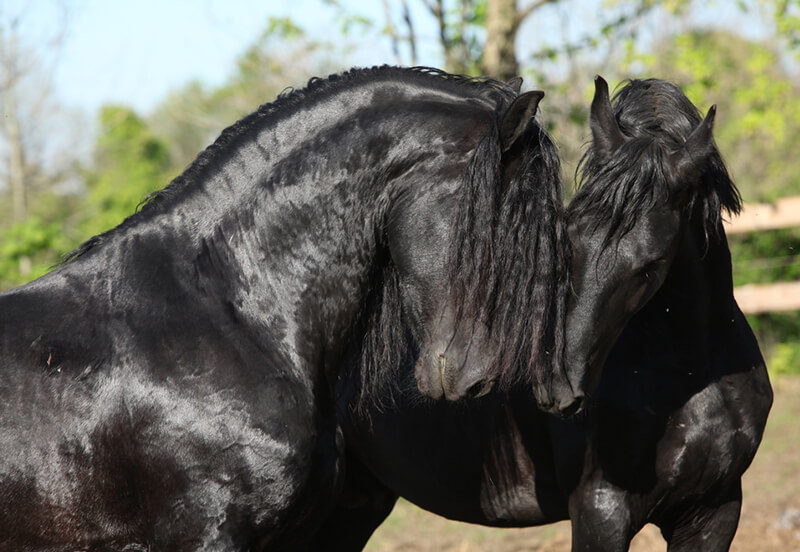
Friesian horses are renowned for their striking appearance, gentle temperament, and impressive size. However, their strength and stature mean that proper handling and safety measures are essential for anyone working with these majestic animals. Whether you are an experienced equestrian or new to the breed, understanding the best practices for managing Friesians can help prevent accidents and foster a positive relationship between horse and handler.
This article offers practical Friesian horse safety tips for everyday care, groundwork, grooming, and riding. You’ll also find guidance on reading equine body language, choosing the right equipment, and maintaining a safe environment for both horse and human. For those interested in learning more about Friesian horses, you may also want to explore Friesian horse myths and facts for deeper insights into the breed’s unique characteristics.
Understanding Friesian Horse Behavior and Communication
Before handling any large equine, it’s vital to recognize how horses communicate. Friesians are generally calm and willing, but their size can amplify even minor misunderstandings. Learning to interpret their body language helps you anticipate reactions and avoid risky situations. For a comprehensive overview, see equine behavior and communication to better understand how horses express themselves through posture, ear position, and movement.
- Watch for warning signs: Pinned ears, swishing tails, or shifting weight may indicate discomfort or agitation.
- Approach calmly: Always let your Friesian know you are approaching by speaking softly and moving into their line of sight.
- Respect their space: Avoid sudden movements or crowding, especially around the hindquarters.
Safe Handling Practices for Large Horses
Managing a Friesian requires confidence and consistency. Their impressive size—often standing over 16 hands high—means handlers must be especially attentive to safety protocols. Here are some essential Friesian horse safety tips for daily handling:
- Use a sturdy halter and lead rope: Always lead with equipment designed for large breeds. Avoid wrapping lead ropes around your hand.
- Stand at the shoulder: Position yourself at the horse’s shoulder, not directly in front or behind, for better control and safety.
- Maintain clear boundaries: Teach your Friesian to respect your personal space through consistent groundwork and positive reinforcement.
- Never rush: Move deliberately and give the horse time to respond to your cues.

Grooming and Tack: Safety Essentials
Friesians are known for their luxurious manes, tails, and feathered legs. Grooming these horses can be a rewarding experience, but it also presents unique challenges due to their size and strength. Here are some practical safety guidelines:
- Secure the horse: Always tie your Friesian using a quick-release knot or use cross-ties in a safe, designated area.
- Stay alert: Be mindful of where you stand, especially when brushing legs or working near the hindquarters.
- Use appropriate tools: Choose grooming kits designed for large breeds to make the process easier and safer.
- Check equipment regularly: Inspect halters, lead ropes, and grooming tools for wear and tear to prevent accidents.
For those interested in learning more about Friesian care, you might enjoy reading interesting facts about Friesian horses for additional insights into their unique grooming needs and history.
Leading, Loading, and Transporting Friesians
Transporting a Friesian requires extra preparation due to their size and temperament. Here are some Friesian horse safety tips for leading and loading:
- Practice groundwork: Regularly practice leading, halting, and backing up to reinforce good manners.
- Use a spacious trailer: Ensure the trailer is large enough for your Friesian to stand comfortably and safely.
- Load calmly: Never force a horse into a trailer. Use patience and positive reinforcement to encourage loading.
- Check for hazards: Inspect the trailer for sharp edges, loose flooring, or other dangers before loading.
During transport, always check that partitions and doors are secure, and drive cautiously to minimize stress and risk of injury.
Riding and Training: Staying Safe in the Saddle
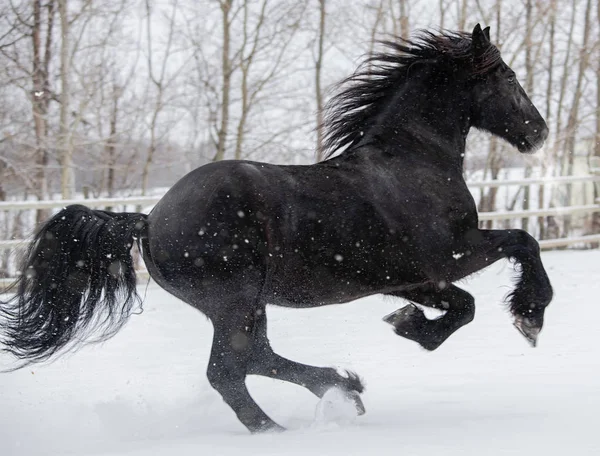
Riding a Friesian is a memorable experience, but it’s important to remember that their power and athleticism require attentive riding and training techniques. Here are some safety recommendations for mounted work:
- Wear protective gear: Always use a certified riding helmet and appropriate footwear.
- Use tack that fits: Ill-fitting saddles or bridles can cause discomfort, leading to unpredictable behavior.
- Warm up gradually: Allow your Friesian time to loosen up, especially before more demanding work.
- Stay balanced: Maintain a centered seat and clear cues to help your horse understand your intentions.
- Work with a trainer: If you’re new to Friesians or large breeds, consider working with a professional to develop safe riding habits.
After exercise, proper cool-down and recovery are crucial. For more information, see the guide on Friesian horse recovery and rest for tips on post-workout care.
Creating a Safe Environment for Friesians
Beyond handling and riding, the environment where your horse lives plays a significant role in safety. Here are some steps to ensure your Friesian’s surroundings are as safe as possible:
- Fencing: Use strong, visible fencing that can withstand the weight and curiosity of a large horse.
- Clean, dry footing: Keep stalls and paddocks free from mud, ice, or debris to prevent slips and injuries.
- Regular checks: Inspect pastures, barns, and equipment for hazards such as loose boards, nails, or toxic plants.
- Safe socialization: Introduce new horses gradually to avoid aggressive encounters or bullying.
Maintaining a safe environment is an ongoing process. Regularly review your facilities and update as needed to accommodate the needs of your Friesian.
Learning from Friesian History and Breed Traits
Understanding the background of Friesians can also inform your approach to safety. These horses have a long history as war horses, carriage horses, and modern sport partners. Their intelligence and willingness to please make them excellent companions, but their power requires respect and knowledgeable handling. For a deeper dive into their origins and global reputation, visit this detailed article on the Friesian’s worldwide history.
Frequently Asked Questions
Are Friesian horses suitable for beginners?
Friesians are known for their gentle nature, but their size and strength mean they are best suited for handlers with some experience. Beginners should work with a knowledgeable trainer to learn safe handling and riding techniques.
What equipment is recommended for grooming Friesians?
Use grooming kits designed for large breeds, including sturdy brushes and combs for their thick manes and tails. Always check that halters and lead ropes are strong enough for a horse of this size.
How can I tell if my Friesian is comfortable and relaxed?
Look for signs such as a soft eye, relaxed ears, and a lowered head. Understanding horse body language can help you assess your horse’s mood and comfort level.
Conclusion
Working with Friesian horses is a rewarding experience, but it comes with unique challenges due to their size and power. By following these Friesian horse safety tips, staying attentive to your horse’s behavior, and maintaining a safe environment, you can enjoy a positive and secure partnership with these remarkable animals. Always continue learning and seek professional guidance when needed to ensure the well-being of both you and your Friesian.