

The Friesian horse is renowned for its striking appearance, gentle temperament, and historical significance. For breeders and enthusiasts, understanding Friesian horse breeding basics is essential to maintain the breed’s unique qualities and ensure healthy, well-conformed foals. This guide explores the genetic principles, selection criteria, and best practices that underpin responsible Friesian breeding, offering practical insights for both newcomers and experienced breeders.
Before delving into genetics and breeding strategies, it’s helpful to appreciate the heritage and characteristics that make Friesians so distinctive. If you’re interested in learning more about their unique traits, you might enjoy these interesting facts about Friesian horses, which provide deeper context for breeding decisions.
Understanding Friesian Genetics and Lineage
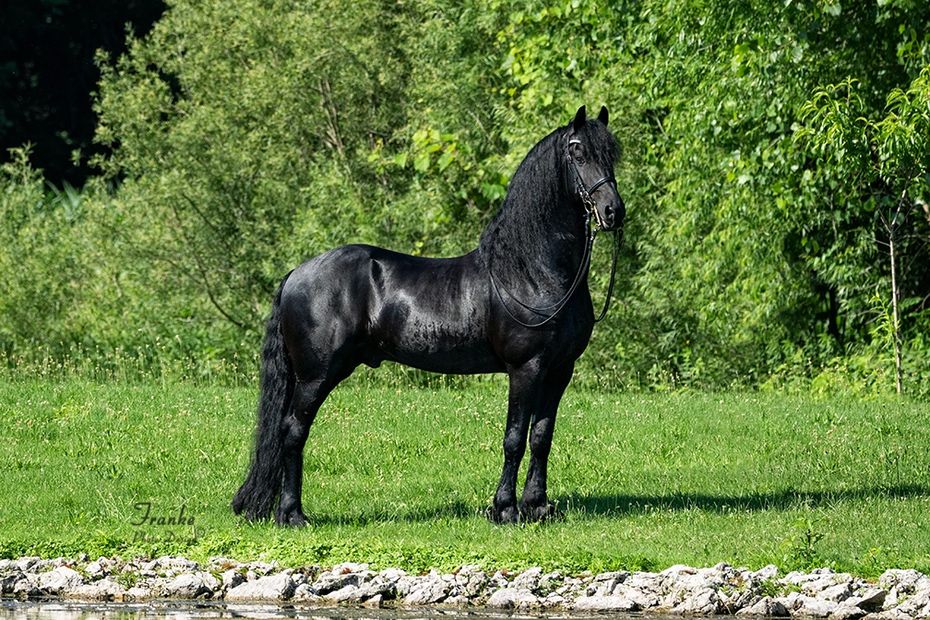
Genetics play a pivotal role in Friesian horse breeding. The breed is known for its closed studbook, meaning only horses with documented Friesian ancestry are eligible for registration. This approach preserves the breed’s purity but also requires careful management to avoid inbreeding and maintain genetic diversity.
Key genetic considerations include:
- Inbreeding Coefficient: Monitoring the degree of relatedness between sire and dam helps prevent inherited health issues and maintains vigor in the offspring.
- Heritable Traits: Desired characteristics such as the Friesian’s black coat, feathered legs, and upright neck are passed down through generations. However, breeders must also be vigilant about genetic disorders like dwarfism and hydrocephalus, which are more prevalent in closed populations.
- Pedigree Analysis: Reviewing the lineage of potential breeding pairs allows breeders to select combinations that reinforce positive traits while minimizing health risks.
For those interested in separating fact from fiction, exploring Friesian horse myths and facts can provide clarity on common misconceptions about genetics and breed standards.
Selection Criteria for Breeding Stock
Choosing the right stallion and mare is fundamental to successful Friesian breeding. Selection should be based on a combination of conformation, temperament, movement, and health status. Here are some essential criteria:
- Conformation: The ideal Friesian displays a well-proportioned body, strong topline, expressive head, and powerful hindquarters. Good conformation supports athleticism and longevity.
- Temperament: Friesians are valued for their gentle and willing nature. Breeding horses with calm, trainable dispositions ensures that these qualities are passed on.
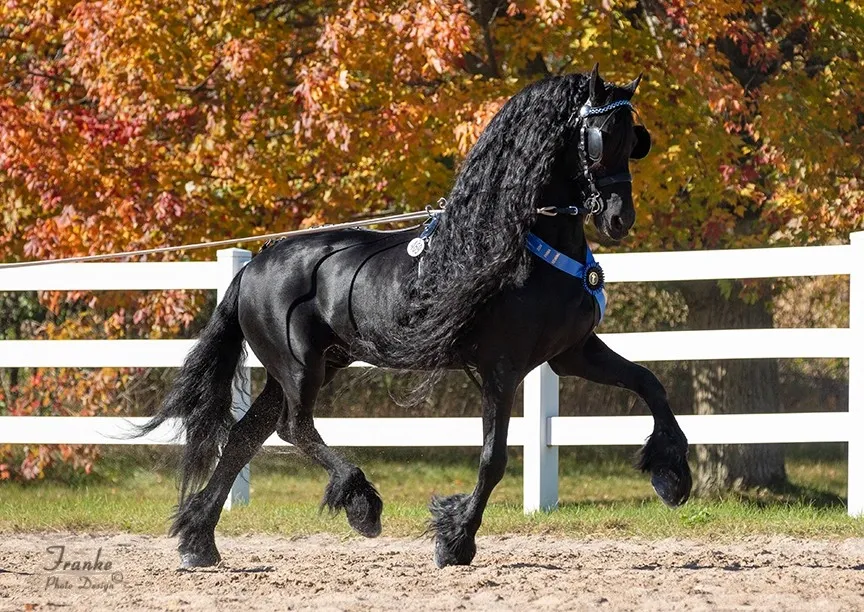
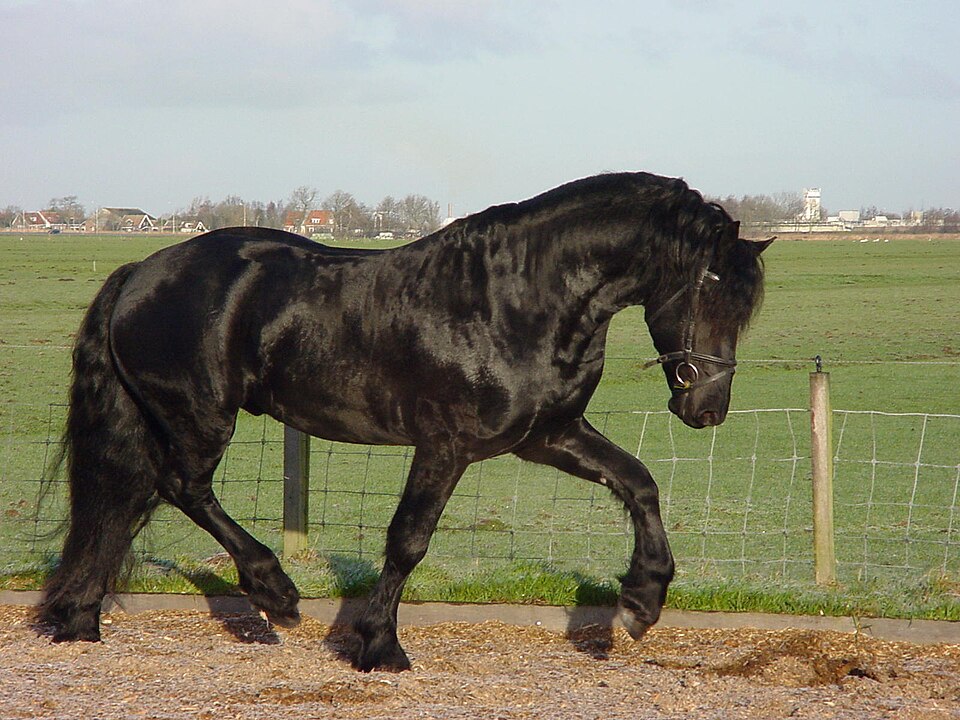
- Movement: The breed is known for its high-stepping, animated trot. Evaluating movement in both parents helps produce foals with the desired gaits.
- Health and Soundness: Only horses free from hereditary diseases and conformational defects should be bred. Veterinary screening and genetic testing are recommended before mating.
Breeders are encouraged to participate in official inspections and keuring events, where expert judges assess horses against breed standards. These evaluations provide valuable feedback and help maintain the quality of the Friesian population.
Best Practices for Friesian Horse Breeding Programs
Implementing best practices ensures the long-term health and sustainability of Friesian horses. Here are several key recommendations for breeders:
- Genetic Testing: Utilize modern DNA testing to screen for known genetic disorders. This proactive step helps avoid producing foals with serious health conditions.
- Balanced Nutrition: Both mares and stallions should receive a balanced diet tailored to their reproductive needs. Proper nutrition supports fertility, pregnancy, and foal development.
- Veterinary Care: Schedule regular health checks, vaccinations, and deworming for all breeding stock. Pre-breeding exams and reproductive soundness assessments are critical.
- Record Keeping: Maintain detailed records of matings, foal outcomes, health issues, and performance data. This information guides future breeding decisions and supports transparency.
- Ethical Breeding: Only breed horses that meet the highest standards for health, temperament, and conformation. Avoid overbreeding and prioritize the welfare of mares and foals.
For further reading on responsible breeding and conservation efforts, the Livestock Conservancy’s overview of Friesian horse conservation offers valuable insights into preserving this remarkable breed.
Foaling, Early Care, and Socialization
Once a mare is confirmed in foal, attentive management is crucial throughout gestation and after birth. Key steps include:
- Safe Environment: Provide a clean, quiet, and secure foaling area. Monitor the mare closely as her due date approaches.
- Immediate Care: Ensure the foal stands and nurses within the first few hours. Veterinary checks are recommended to confirm both mare and foal are healthy.
- Early Socialization: Gentle handling and exposure to routine activities help foals develop confidence and trust. Socialization with other horses is also important for behavioral development.
- Ongoing Monitoring: Track the foal’s growth, vaccination schedule, and overall health. Early intervention for any issues supports long-term well-being.
Proper care during these formative months lays the foundation for a sound, well-adjusted adult horse. For tips on maintaining your Friesian’s health after exercise or training, see this guide on Friesian horse recovery and rest.
Maintaining Breed Integrity and Welfare
Preserving the Friesian’s unique qualities requires a commitment to ethical breeding and ongoing education. Breeders should stay informed about advances in equine genetics, participate in breed organizations, and collaborate with veterinarians and other professionals. By prioritizing animal welfare and breed standards, the Friesian’s legacy can be sustained for future generations.
For those considering expanding their involvement, learning about Friesian horse adoption information can offer additional ways to support the breed beyond breeding alone.
Frequently Asked Questions
What health issues should Friesian breeders be aware of?
Friesians are prone to certain genetic conditions, including dwarfism, hydrocephalus, and aortic rupture. Responsible breeders use genetic testing and careful selection to minimize these risks. Regular veterinary care and transparent record-keeping are also vital.
How can I ensure genetic diversity in my Friesian breeding program?
Maintaining genetic diversity involves tracking pedigrees, avoiding close inbreeding, and occasionally introducing new bloodlines within the breed’s studbook rules. Consulting with breed registries and using DNA analysis tools can help manage diversity effectively.
What are the key qualities to look for in Friesian breeding stock?
Look for horses with excellent conformation, strong movement, sound health, and a calm, trainable temperament. Participation in keuring events and official inspections can help identify individuals that best represent the breed standard.