

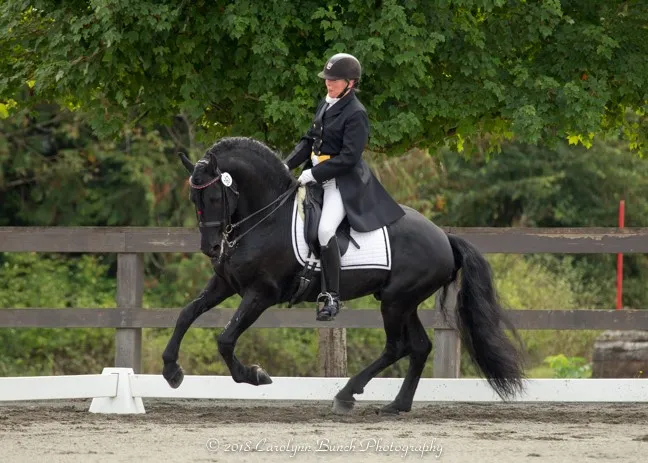
The Friesian breed is admired for its striking appearance, gentle temperament, and versatility. Breeding these majestic horses is a rewarding but complex process, especially when it comes to managing a mare’s pregnancy. This Friesian horse pregnancy guide covers the essential stages of gestation, what to expect at each phase, and how to ensure optimal care for both mare and foal.
Understanding the unique needs of Friesian mares during pregnancy is crucial for breeders and horse owners. From confirming conception to preparing for foaling, every step requires attention to detail and a commitment to the mare’s well-being. For a broader look at the breed’s characteristics, history, and care, see the complete guide to Friesian horses.
Understanding Friesian Mare Reproduction
Friesian mares typically reach sexual maturity between 18 months and 2 years of age, but most breeders wait until the mare is at least three years old before breeding. The breed’s reproductive cycle is similar to other horses, with estrous cycles averaging 21 days. However, Friesians can be more sensitive to stress and environmental changes, which may affect fertility.
Before breeding, it’s important to assess the mare’s health, nutrition, and reproductive history. Veterinary exams, including ultrasound and bloodwork, help identify any underlying issues that could impact conception or gestation. Friesians are known for their calm demeanor, but their larger size means they may require more attentive management throughout pregnancy.
Pregnancy Timeline for Friesian Mares
The gestation period for Friesian horses averages 340 days, though it can range from 320 to 370 days. Here’s a breakdown of the key stages:
| Stage | Timeline | Key Developments |
|---|---|---|
| Conception & Early Pregnancy | 0–45 days | Embryo implants; pregnancy confirmed by ultrasound |
| First Trimester | 1–3 months | Organ formation; monitor for early loss |
| Second Trimester | 4–8 months | Rapid fetal growth; adjust nutrition |
| Third Trimester | 9–11 months | Final fetal development; prepare for foaling |
| Foaling | ~11 months | Birth of foal; monitor mare closely |
Early Pregnancy: Detection and Care
After breeding, pregnancy is usually confirmed via ultrasound between 14 and 18 days post-ovulation. Friesian mares may show subtle behavioral changes, but physical signs are minimal in the early weeks. Veterinary monitoring is essential to detect twins, which are rare but can be risky for both mare and foal.
During the first trimester, focus on maintaining a consistent routine, minimizing stress, and providing a balanced diet. Avoid unnecessary medications or vaccinations unless recommended by your veterinarian. Regular turnout and gentle exercise help keep the mare healthy without overexertion.
Mid to Late Gestation: Monitoring and Nutrition
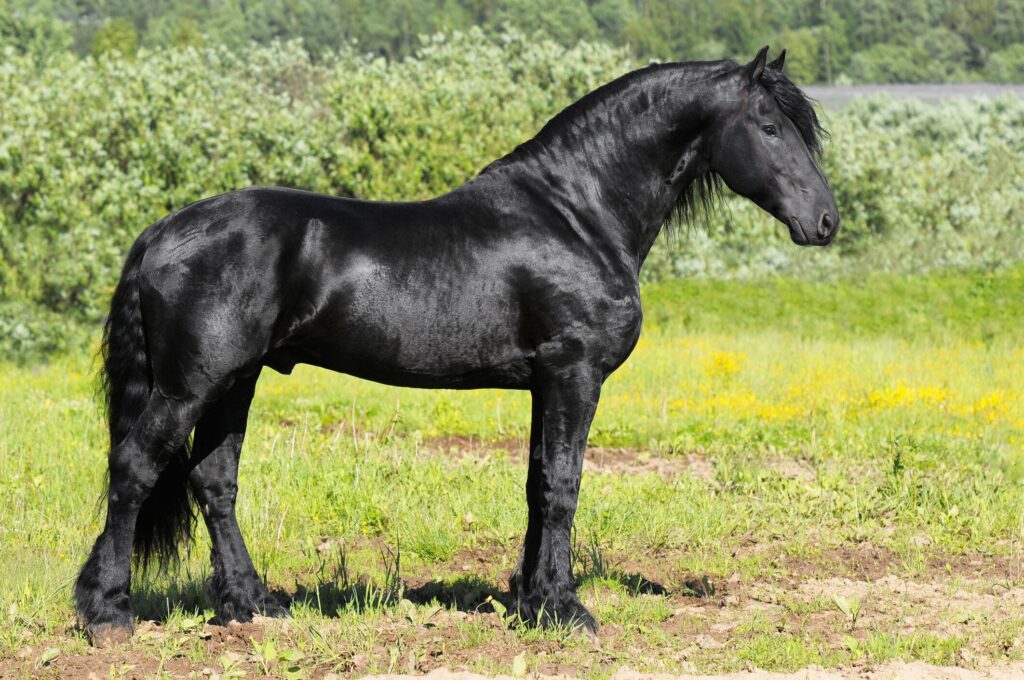
As pregnancy progresses into the second and third trimesters, the mare’s nutritional needs increase. Friesians, with their substantial build, require careful management to prevent excessive weight gain while supporting fetal growth. High-quality forage should form the basis of the diet, supplemented with vitamins and minerals as recommended by your veterinarian.
Regular veterinary checkups during this period are important to monitor fetal development and the mare’s overall condition. Vaccinations for diseases such as equine herpesvirus are typically administered during the fifth, seventh, and ninth months of gestation. Deworming protocols should be discussed with your vet to ensure safety for both mare and foal.
Pay attention to any signs of discomfort, swelling, or unusual behavior. While Friesians are generally robust, they can be prone to certain health issues, including metabolic disorders. Early intervention is key if any problems arise.
Preparing for Foaling: Final Weeks
In the last month of pregnancy, begin preparing a clean, safe foaling area. Friesian mares often show signs of impending birth, such as udder development, relaxation of pelvic ligaments, and waxing of the teats. Monitor the mare closely, especially at night, as foaling can occur quickly and with little warning.
Have essential supplies on hand, including clean towels, a foaling kit, and emergency contact information for your veterinarian. Most Friesian mares foal without complications, but it’s important to be present or have experienced help available. After birth, ensure the foal stands and nurses within two hours, and that the mare passes the placenta completely.
For tips on daily equine care and how to balance horse ownership with other responsibilities, visit the article on horse ownership responsibilities.
Postpartum Care for Mare and Foal
After foaling, monitor both mare and foal for any signs of distress or complications. The mare should be alert, eating, and attentive to her newborn. The foal should stand, nurse, and pass meconium within the first few hours. Friesians are known for their nurturing instincts, but first-time mares may need extra support.
Schedule a veterinary exam within 24 hours of birth to check for retained placenta, infections, or congenital issues in the foal. Continue providing high-quality nutrition and gradually reintroduce exercise as the mare recovers. Socialization and gentle handling of the foal help set the stage for a healthy, well-adjusted adult horse.
For more insights into horse behavior and communication, see the article on equine behavior and communication.
Common Challenges in Friesian Mare Pregnancy
While Friesians are generally hardy, breeders should be aware of potential complications:
- Gestational length variation: Friesians may carry foals longer than other breeds, sometimes up to 370 days.
- Metabolic concerns: This breed can be prone to insulin resistance, so monitor body condition and adjust feed as needed.
- Foaling difficulties: Due to their size, Friesian mares may experience dystocia (difficult birth). Have a veterinarian on call during foaling season.
- Retained placenta: This is a risk for all breeds but can be more common in Friesians. Prompt veterinary care is essential if the placenta is not expelled within three hours.
Proactive management and regular veterinary care can help prevent or address these issues promptly.
Resources for Friesian Horse Owners
Staying informed is key to successful breeding and mare management. For more detailed breed information, visit this Friesian horse breed overview on PetMD. Additionally, connecting with experienced breeders and veterinarians can provide valuable support throughout the breeding process.
For practical advice on building a strong relationship with your horse, explore our guide on how to become a better horse owner.
Frequently Asked Questions
How long is the gestation period for Friesian mares?
The average gestation period is about 340 days, but Friesian mares can carry foals for anywhere between 320 and 370 days. It’s not uncommon for them to go slightly longer than other breeds.
What are the early signs of pregnancy in Friesian horses?
Early signs are subtle and may include mild behavioral changes, but confirmation is best achieved through veterinary ultrasound 14–18 days after breeding. Physical changes become more noticeable after several months.
Are Friesian mares prone to specific pregnancy complications?
While generally healthy, Friesians can be at higher risk for metabolic issues and retained placenta. Regular veterinary care and attentive management help minimize these risks.
How should I prepare for foaling?
Set up a clean, safe foaling area, gather necessary supplies, and monitor your mare closely in the final weeks. Having a veterinarian on call is highly recommended in case of complications.
Conclusion
Breeding and managing a pregnant Friesian mare is a significant responsibility that requires knowledge, patience, and dedication. By following a structured approach to nutrition, veterinary care, and foaling preparation, you can help ensure a healthy pregnancy and a strong start for the next generation of Friesians. For more tips on balancing barn time with daily life, check out our equestrian lifestyle tips.