

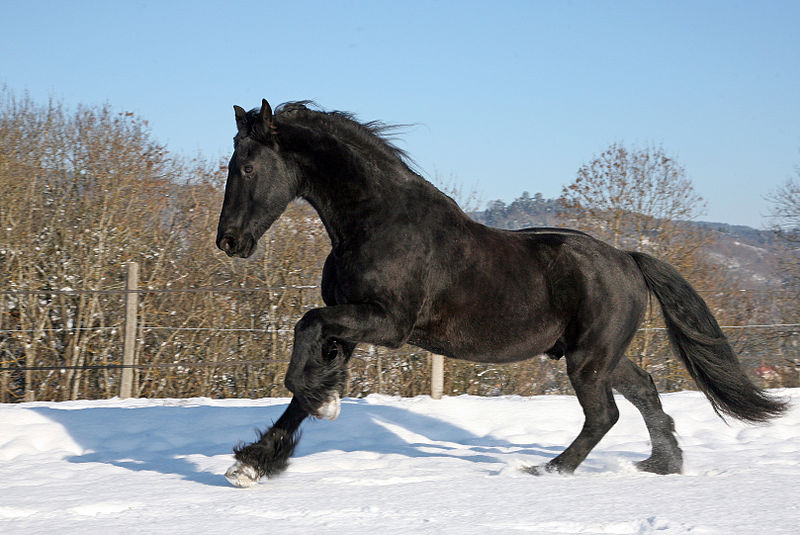
Friesian horses are known for their striking appearance, gentle nature, and versatility. Whether you’re interested in dressage, driving, pleasure riding, or simply want a loyal companion, selecting the right Friesian involves more than admiring their beauty. Understanding how to choose a Friesian horse that aligns with your temperament and riding ambitions is essential for a rewarding partnership.
This guide will walk you through the key considerations, from evaluating personality traits to matching your experience level and goals. You’ll also find practical tips on assessing conformation, health, and care requirements. Before diving into the details, it’s helpful to explore broader aspects of equine care and ownership. For more on daily routines and responsibilities, see horse ownership responsibilities.
Understanding Friesian Temperament and Personality
One of the main attractions of the Friesian breed is their calm, willing, and friendly disposition. However, individual horses can vary significantly. When considering how to choose a Friesian horse that suits you, pay close attention to:
- Sensitivity: Some Friesians are more responsive and sensitive, making them ideal for experienced riders who want a highly attuned partner. Others are steadier and more forgiving, better for beginners or those seeking a relaxed ride.
- Energy Level: While Friesians are not typically high-strung, their energy can range from laid-back to spirited. Assess whether you prefer a horse that’s eager and forward or one that’s content with a slower pace.
- Social Behavior: Most Friesians enjoy human interaction and bond closely with their handlers. Observe how the horse reacts to new people and environments to gauge compatibility with your lifestyle and expectations.
For a deeper dive into equine communication and reading body language, check out equine behavior and communication.
Matching Your Riding Goals with the Right Friesian
Friesians are versatile, but not every horse is suited for every discipline. Clarifying your main objectives will help you select a horse that can thrive in your chosen activities:
- Dressage: Look for Friesians with expressive movement, balance, and a willingness to learn. These qualities are essential for success in the arena.
- Pleasure Riding: If you want a companion for trail rides or leisure, prioritize a calm, steady temperament and a comfortable gait.
- Driving: Many Friesians excel in harness. For driving, seek out horses with a strong, rhythmic trot and a confident attitude in new environments.
- Show or Exhibition: If your aim is to stand out in parades or shows, consider a horse with striking looks, presence, and a sociable nature.
Be honest about your experience level. Friesians can be forgiving, but a green rider may benefit from an older, well-trained horse. Those with more experience might enjoy bringing along a younger prospect.
Evaluating Conformation and Health
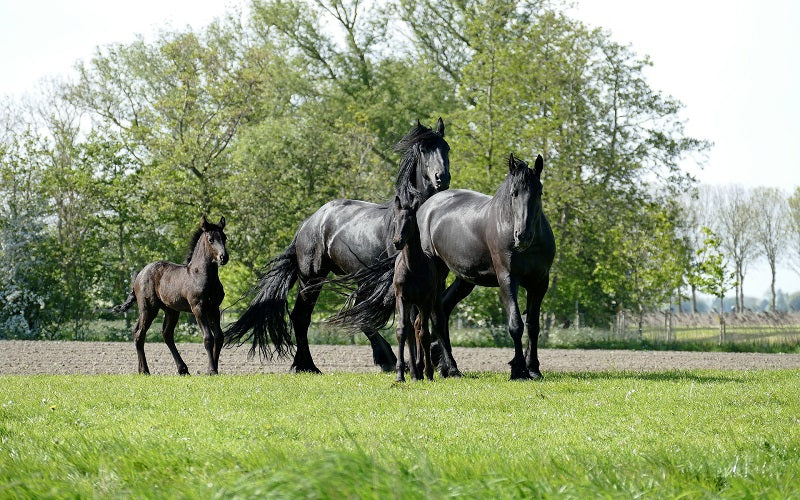
Physical soundness and correct conformation are crucial when selecting any horse, and Friesians are no exception. Here’s what to look for:
- Body Structure: A well-proportioned Friesian should have a strong back, well-set neck, and straight legs. These features contribute to long-term soundness and performance.
- Movement: Observe the horse at walk, trot, and canter. Look for fluid, powerful movement without signs of lameness or stiffness.
- Health History: Ask for veterinary records, vaccination history, and details about any past injuries or illnesses. Friesians can be prone to certain conditions, such as hydrocephalus or dwarfism, so a pre-purchase exam is highly recommended.
- Hoof Quality: Healthy hooves are vital for any horse. Inspect for cracks, uneven wear, or signs of chronic issues.
For a comprehensive overview of the breed’s history, characteristics, and care, see the complete guide to Friesian horses.
Assessing Care Requirements and Lifestyle Fit
Friesians are generally easy to manage but do have some unique needs. Consider the following before making your decision:
- Feeding: Friesians often require a balanced diet that supports their size and energy needs without leading to obesity. Consult with a veterinarian or equine nutritionist for guidance.
- Grooming: Their long, thick manes and tails need regular attention to prevent tangles and maintain their signature look. Investing in quality grooming tools and products, such as those highlighted above, can make this task easier.
- Exercise: Regular, varied exercise helps maintain muscle tone and mental well-being. Friesians thrive with a mix of arena work, hacking, and turnout.
- Social Needs: These horses are people-oriented and benefit from daily interaction. Make sure your schedule allows for consistent time together.
Balancing horse care with other life commitments can be a challenge. For practical strategies, see equestrian lifestyle tips.
Where to Find Friesians and What to Ask Breeders
Once you’ve outlined your preferences, it’s time to connect with reputable breeders or sellers. Here are some tips for the search process:
- Research: Look for breeders with a track record of producing healthy, well-socialized horses. Ask for references and visit their facilities if possible.
- Questions to Ask: Inquire about the horse’s training, health, lineage, and any behavioral quirks. A transparent seller will provide detailed answers and allow you to spend time with the horse.
- Trial Period: If possible, arrange a trial or multiple visits to ensure the horse is a good fit for your needs and personality.
- Contracts and Guarantees: Review any sales agreements carefully. Some breeders offer health guarantees or buy-back clauses, which can provide peace of mind.
For more information on Friesian breed standards and history, consider reading this detailed Friesian horse breed profile.
Preparing for Friesian Horse Ownership
Bringing a Friesian into your life is a significant commitment. Make sure you’re ready by considering:
- Facilities: Ensure you have safe, adequate stabling and turnout areas. Friesians appreciate room to move and a clean, dry environment.
- Support Network: Build relationships with veterinarians, farriers, trainers, and other horse owners. Their expertise will be invaluable as you settle in with your new companion.
- Ongoing Education: Stay informed about best practices in horse care, training, and health. Resources like how to become a better horse owner can help you deepen your knowledge and confidence.
With thoughtful preparation and a clear understanding of your goals, you’ll be well-equipped to select a Friesian that brings joy and fulfillment for years to come.
Frequently Asked Questions
What is the typical temperament of a Friesian horse?
Friesians are generally known for their gentle, friendly, and willing nature. They tend to bond closely with their handlers and are often described as intelligent and eager to please. However, individual personalities can vary, so it’s important to spend time with any prospective horse to ensure a good match.
Are Friesians suitable for beginner riders?
Many Friesians are suitable for beginners due to their calm demeanor and forgiving attitude. However, some individuals may be more sensitive or energetic, which could be challenging for new riders. It’s best to look for an older, well-trained horse if you’re just starting out.
What are the main health concerns with Friesian horses?
While Friesians are generally robust, they can be prone to certain genetic conditions such as hydrocephalus, dwarfism, and some metabolic issues. Regular veterinary care, good nutrition, and proper management are key to maintaining their health. Always request a full health history and consider a pre-purchase veterinary exam.