

The Friesian horse is one of the most recognizable and admired breeds in the equestrian world. Known for their striking appearance and gentle disposition, these horses have captivated enthusiasts for centuries. Whether you are a seasoned rider, a new horse owner, or simply fascinated by unique equine breeds, understanding the distinct qualities of Friesians can deepen your appreciation for these remarkable animals.
In this article, we’ll explore the defining Friesian horse characteristics that set them apart, from their physical features to their temperament and versatility. If you’re interested in a broader perspective on this breed, the complete guide to Friesian horses provides an in-depth overview of their history, care, and more.
Physical Traits That Define the Friesian
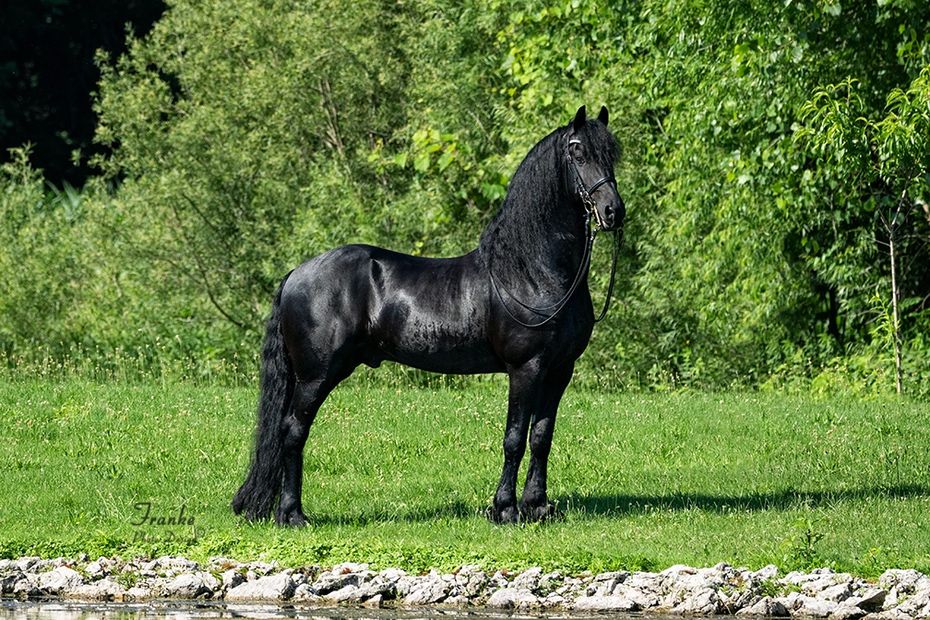
Among all horse breeds, Friesians are instantly recognizable due to their distinctive appearance. Their most notable physical features include:
- Jet-black coat: The breed standard calls for a pure black coat, though a small white star on the forehead is allowed. Their glossy, dark hair is one of their most admired features.
- Luxurious mane and tail: Friesians are famous for their long, thick, and often wavy manes and tails. These require regular grooming to maintain their beauty and health.
- Feathering on legs: The lower legs are adorned with long, silky hair known as feathering, which adds to their dramatic look.
- Strong, compact build: Friesians typically stand between 15.2 and 17 hands high. They have a muscular, yet elegant frame with a well-arched neck and expressive head.
These physical attributes not only make Friesians stand out in the show ring but also contribute to their popularity in film and ceremonial events.
Temperament and Personality
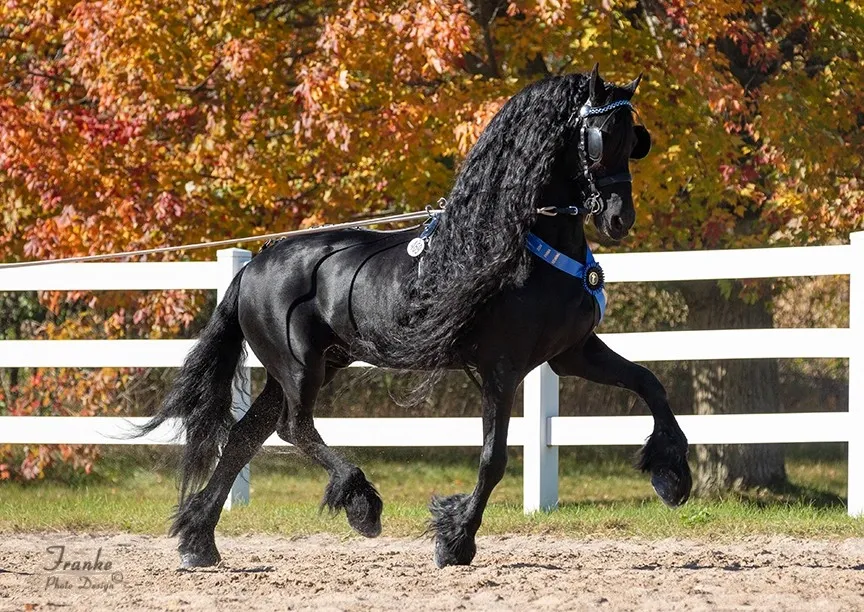
Beyond their looks, Friesians are treasured for their gentle and willing nature. These horses are known for being:
- Intelligent: Friesians are quick learners and respond well to consistent, positive training methods.
- Calm and friendly: Their even temperament makes them suitable for riders of various skill levels, including beginners.
- People-oriented: Friesians often form strong bonds with their handlers and enjoy human interaction.
This combination of intelligence and friendliness makes Friesians popular in both recreational riding and therapeutic settings. Their calm demeanor is also a reason why they are frequently chosen for carriage driving and ceremonial roles.
Movement and Athletic Abilities
One of the most admired Friesian horse characteristics is their movement. Friesians are celebrated for their:
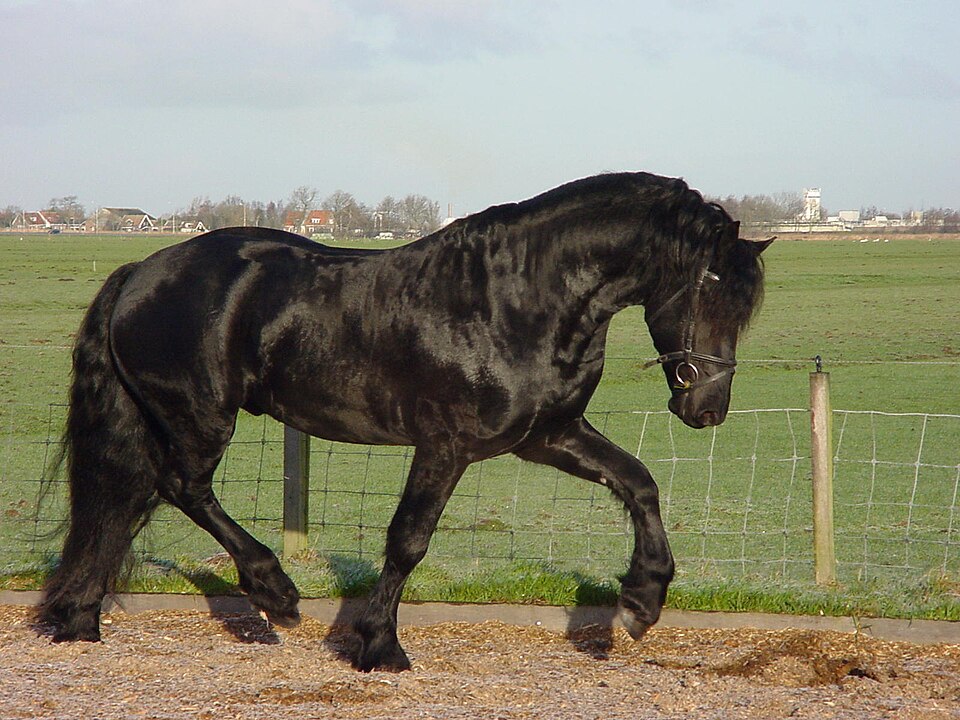
- High-stepping trot: Their animated, powerful trot is a hallmark of the breed and is especially valued in dressage and driving competitions.
- Graceful canter: While their canter is smooth and collected, it also displays the breed’s natural athleticism.
- Strength and stamina: Friesians are capable of carrying riders over long distances and performing demanding tasks, thanks to their robust build.
These traits make them versatile for a range of disciplines, from classical dressage to pleasure riding and even light farm work.
Breed History and Conservation
The Friesian breed has a long and storied past, originating in the Friesland region of the Netherlands. Historically, these horses were used as war mounts due to their strength and agility. Over time, they became popular for agricultural work and carriage driving. Today, Friesians are considered a conservation success story, having rebounded from near extinction in the 20th century. For more on their preservation and significance, visit the Livestock Conservancy’s overview of Friesian horses.
Care Requirements and Grooming Needs
Due to their thick manes, tails, and feathering, Friesians require diligent grooming. Regular brushing helps prevent tangles and keeps their coats shiny. Owners should pay special attention to the feathering on the legs, as it can trap moisture and debris, leading to skin issues if not properly maintained. Using quality grooming products and dedicating time to their care will keep these horses looking their best. For tips on daily care and responsibilities, the article on horse ownership responsibilities offers practical advice.
Common Uses and Versatility
Friesians excel in a variety of disciplines, thanks to their athleticism and temperament. Some of the most common uses include:
- Dressage: Their expressive movement and trainability make them standouts in dressage arenas.
- Driving: Friesians are popular for carriage driving, both in competition and ceremonial settings.
- Pleasure riding: Their smooth gaits and friendly nature make them enjoyable mounts for leisure riding.
- Film and entertainment: Their striking looks have made them favorites in movies, television, and live performances.
While Friesians are less commonly used for jumping or high-speed sports, their versatility and willingness to work make them suitable for many equestrian pursuits.
Health Considerations
Like all breeds, Friesians have some health predispositions. Owners should be aware of:
- Dwarfism and hydrocephalus: These genetic conditions are rare but present in the breed. Responsible breeding practices help minimize their occurrence.
- Feathering-related skin issues: The long hair on their legs can lead to skin infections if not kept clean and dry.
- Digestive sensitivity: Friesians may be prone to certain digestive issues, so a balanced diet and regular veterinary care are important.
Routine checkups, good nutrition, and attentive grooming are essential for maintaining a Friesian’s health and well-being.
Frequently Asked Questions
Are Friesian horses good for beginners?
Thanks to their calm and friendly temperament, Friesians can be suitable for novice riders, especially when matched with a well-trained individual. Their intelligence and willingness to please make them adaptable to various experience levels.
How much grooming do Friesians require?
Friesians need more grooming than many other breeds due to their long manes, tails, and feathered legs. Daily brushing and regular washing help prevent tangles and skin issues, ensuring their iconic appearance is maintained.
What disciplines are Friesians best suited for?
These horses excel in dressage, driving, and pleasure riding. Their expressive movement and gentle nature also make them popular in ceremonial and entertainment roles. While they are less common in jumping or racing, their versatility allows them to participate in a wide range of activities.
Conclusion
The unique blend of beauty, temperament, and versatility makes the Friesian horse a standout among equine breeds. Their striking appearance, combined with a gentle personality and impressive athleticism, ensures their continued popularity worldwide. For those interested in learning more about equine communication, the article on equine behavior and communication can provide further insights into understanding and connecting with these magnificent animals.