

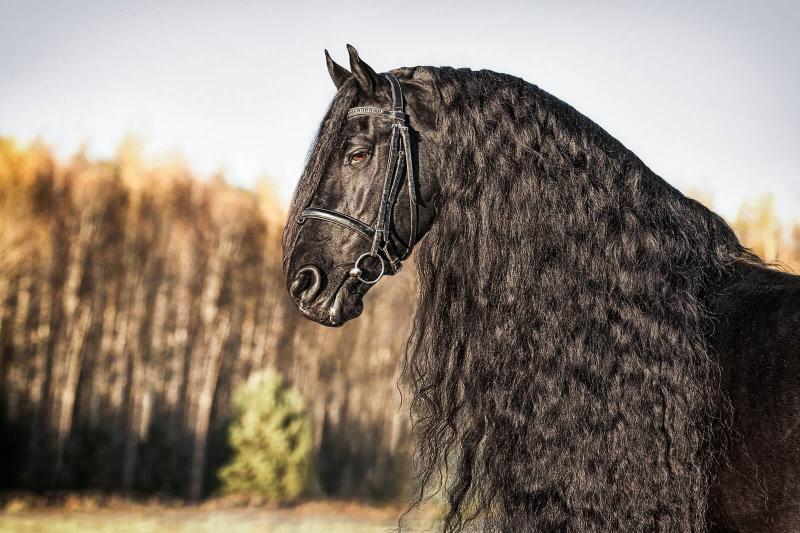
Photographing Friesian horses is a rewarding challenge for any equine enthusiast or photographer. These majestic animals, with their flowing manes, feathered legs, and striking black coats, offer endless opportunities for breathtaking images. However, capturing their true beauty requires more than just a good camera. The right approach, preparation, and understanding of both horse behavior and photography fundamentals are essential for creating memorable portraits.
Whether you’re a seasoned equestrian photographer or just starting out, this guide will walk you through essential Friesian horse photography tips that elevate your results. From grooming and lighting to posing and timing, you’ll learn how to showcase the elegance and personality of these remarkable horses. For a deeper dive into the breed’s characteristics and history, you might also enjoy the complete guide to Friesian horses for additional context and inspiration.
Preparing Your Friesian for the Camera
Preparation is key when it comes to equine portraiture. Friesians, known for their lustrous black coats and flowing manes, look their best with proper grooming. Before your session, make sure the horse is clean and well-brushed. Pay special attention to the mane, tail, and feathering on the legs—these features are signature to the breed and can make or break your shot.
- Use a detangler and a wide-tooth comb to separate and smooth the mane and tail.
- Clean the coat with a gentle horse shampoo to enhance its natural shine.
- Brush the feathering on the legs to remove debris and highlight the texture.
Having the right grooming tools on hand can make the process easier and more effective. Investing in quality products, such as a Weaver Grooming Kit and Mane ‘n Tail Combo, can help you achieve a polished look that translates beautifully in photographs.
Lighting and Timing: Essential Elements for Dramatic Shots
Lighting plays a crucial role in Friesian horse photography tips and can dramatically affect the mood and quality of your images. Natural light is often the best choice for outdoor equine portraits. Early morning and late afternoon—known as the golden hours—provide soft, warm light that flatters the horse’s features and enhances the richness of their black coat.
- Avoid harsh midday sun, which can create unflattering shadows and highlights.
- Position the horse so the light falls gently across its body, illuminating the mane and face.
- Overcast days can also be ideal, as clouds diffuse sunlight and reduce glare.
Patience is important. Wait for the right moment when the horse is relaxed and alert, with ears forward and eyes bright. Capturing these natural expressions will add life and personality to your portraits.
Composing the Perfect Equine Portrait
Composition is where artistry meets technique in equine photography. To showcase the Friesian’s elegance, consider these strategies:
- Frame the horse with space around it to emphasize its size and presence.
- Use the rule of thirds to position the horse’s eye or head off-center for a more dynamic image.
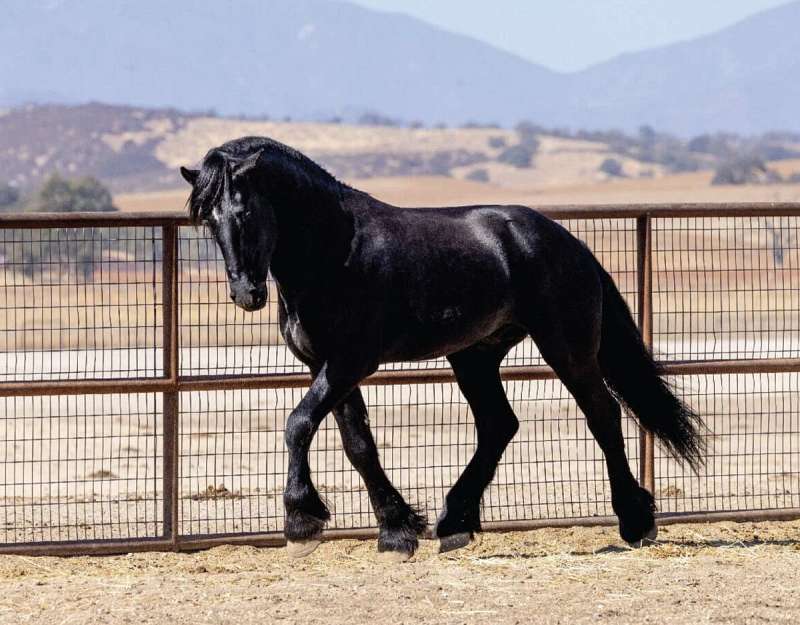
- Include environmental elements—such as fields, fences, or trees—to add context and depth.
Experiment with different angles. Shooting from a low perspective can make the horse appear even more imposing and regal. Close-ups of the head, mane, or feathered legs can highlight unique features and textures. For more on understanding how horses communicate and present themselves, the article on equine behavior and communication offers valuable insights that can help you anticipate and capture expressive moments.
Working With Friesians: Behavior and Safety Tips
Friesians are generally calm and people-oriented, but every horse is an individual. Building trust and ensuring safety is essential for a successful shoot. Spend time letting the horse get comfortable with your presence and equipment. Avoid sudden movements or loud noises that might startle them.
- Have a handler or owner nearby to help position and calm the horse.
- Use treats or gentle cues to encourage alert, forward-facing ears and expressive eyes.
- Be patient and flexible—sometimes the best shots come from spontaneous moments.
Always prioritize the horse’s comfort and well-being. If the horse seems stressed or restless, take a break and resume when they are relaxed. This approach not only ensures safety but also leads to more natural and engaging portraits.
Editing and Post-Processing for Friesian Horse Images
Post-processing is the final step in creating striking Friesian horse portraits. Editing can help correct exposure, enhance details, and bring out the depth of the horse’s black coat. Here are some basic adjustments to consider:
- Increase contrast to define the horse’s features and mane.
- Adjust highlights and shadows to avoid losing detail in dark areas.
- Sharpen the image to emphasize texture, especially in the mane and feathering.
- Remove distracting background elements to keep the focus on the horse.
Be careful not to over-edit. The goal is to enhance the natural beauty of the Friesian, not to create an artificial look. For inspiration on how Friesians have been depicted in popular culture, you can explore the Friesian horse in movies and media and see how professionals capture their cinematic appeal.
Advanced Friesian Horse Photography Tips for Enthusiasts
Once you’ve mastered the basics, try incorporating more advanced techniques to make your Friesian portraits stand out:
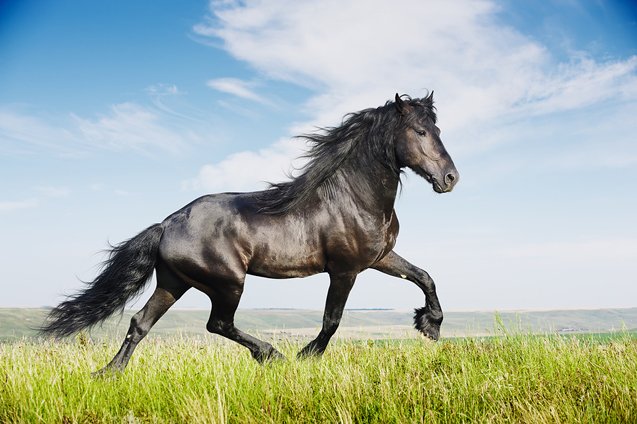
- Use a fast shutter speed to freeze motion, especially if capturing the horse in action.
- Experiment with backlighting to create a halo effect around the mane and tail.
- Try black-and-white conversions for a timeless, dramatic look that emphasizes form and contrast.
- Play with depth of field to blur the background and make the horse pop.
Don’t hesitate to study the work of other equine photographers or read about the beauty and power of Friesian sport horses for creative ideas and inspiration. Each session is an opportunity to refine your skills and develop your unique style.
Common Mistakes to Avoid in Friesian Portraits
Even experienced photographers can make errors that detract from the final image. Here are some pitfalls to watch out for:
- Underexposing the horse, resulting in loss of detail in the coat.
- Capturing the horse with ears pinned back—wait for a more alert expression.
- Allowing cluttered backgrounds to distract from the subject.
- Neglecting to clean the horse, which can show up in high-resolution images.
By staying mindful of these common issues, you’ll consistently produce more polished and professional-looking equine portraits.
Frequently Asked Questions
What camera settings work best for Friesian horse portraits?
For sharp, detailed images, use a fast shutter speed (at least 1/500s) to freeze movement, a wide aperture (f/2.8–f/5.6) for a blurred background, and adjust ISO based on lighting. Continuous autofocus helps track the horse’s movements, and shooting in RAW format allows for more flexibility in post-processing.
How can I get a Friesian horse to pose or look alert?
Work with a handler to position the horse and use gentle cues, treats, or noises to get the horse’s attention. Patience is key—wait for moments when the horse’s ears are forward and eyes are bright. Avoid rushing, as relaxed horses are more likely to show natural, expressive poses.
What’s the best way to highlight the Friesian’s mane and feathering?
Groom thoroughly before the shoot, and use side or backlighting to emphasize the texture and volume of the mane and feathering. Close-up shots and low angles can also showcase these features. Editing can further enhance shine and detail without making the image look unnatural.
Conclusion
Capturing the elegance and spirit of Friesians requires a thoughtful approach that combines preparation, technical skill, and an understanding of the horse’s unique qualities. By following these Friesian horse photography tips, you’ll be well-equipped to create images that do justice to this remarkable breed. For more insights into horse care and building a strong bond with your equine partner, consider reading about how to become a better horse owner or explore fascinating Friesian horse myths and facts to deepen your appreciation for these stunning animals.