

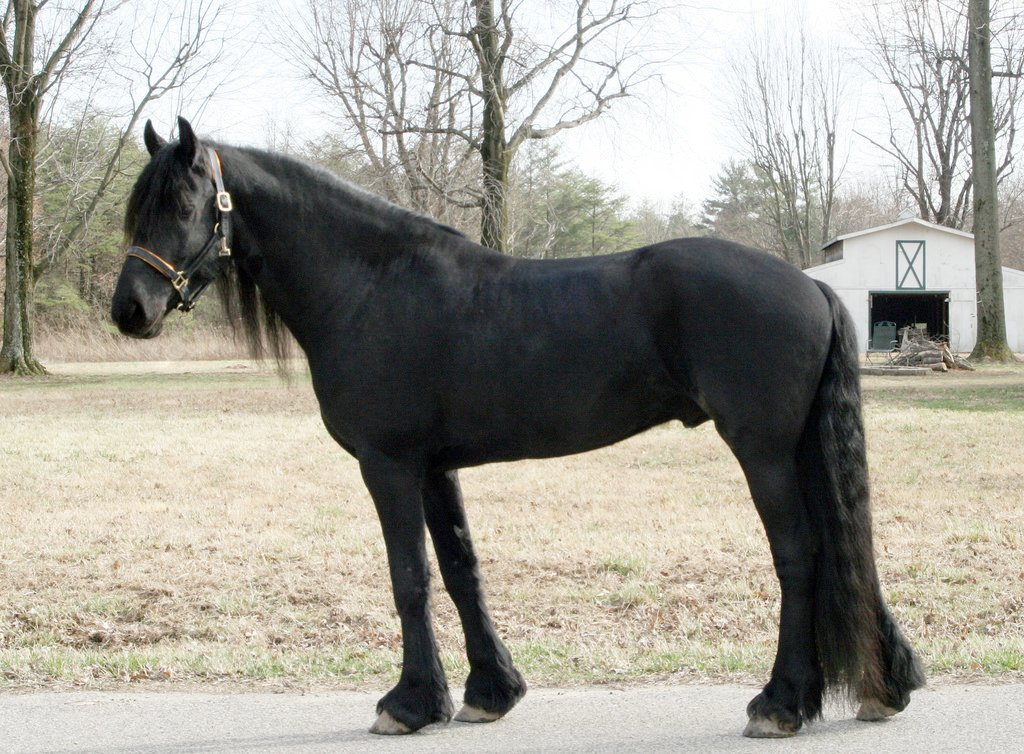
The history of the Friesian horse is a remarkable journey that spans centuries, blending myth, culture, and practical utility. Known for their striking black coats, flowing manes, and powerful yet elegant build, Friesians have captivated horse lovers and historians alike. Their story begins in the northern provinces of the Netherlands and weaves through European warfare, agriculture, and even the world of entertainment. Understanding how this breed developed provides insight into both equine evolution and the societies that shaped them.
Today, Friesians are celebrated for their beauty, intelligence, and versatility. But their journey from medieval warhorses to modern sport and show horses is filled with fascinating twists. For those looking to deepen their understanding of these majestic animals, the complete guide to Friesian horses offers a comprehensive overview of their care, characteristics, and more.
Ancient Roots: The Early Days of the Friesian Horse
The origins of the Friesian breed can be traced back over a thousand years. The ancestors of today’s Friesians roamed the coastal regions of Friesland, a province in the northern Netherlands. Early records suggest that native horses of this region were already known for their strength and stamina, traits essential for surviving the harsh climate and marshy terrain.
During the Middle Ages, Friesian horses became highly valued as warhorses. Their size and agility made them ideal mounts for knights in heavy armor. The breed’s ability to carry weight, combined with a calm temperament, set them apart from other European horses of the era. As warfare evolved, so did the Friesian, adapting to new roles while retaining their distinctive look and spirit.
Influence of War and Nobility on Breed Development
Throughout the centuries, the history of the Friesian horse has been shaped by both conflict and nobility. During the Crusades and subsequent European wars, Friesians were often crossed with Andalusian and Arabian horses. These influences refined their appearance, adding elegance and a high-stepping gait that became a hallmark of the breed.
By the Renaissance, Friesians were not only warhorses but also symbols of prestige. Nobles and royalty prized them for their beauty and presence in parades and ceremonies. Their striking black coats and flowing manes became synonymous with status and power. This period also saw the breed’s use in classical dressage, laying the groundwork for their future in equestrian sports.
Decline and Revival: The Breed’s Near Extinction
Despite their popularity, Friesians faced significant challenges in the 18th and 19th centuries. The rise of lighter, faster horses for cavalry and agriculture led to a decline in demand for heavier breeds. By the late 1800s, the Friesian population had dwindled alarmingly, with only a handful of purebred stallions remaining in Friesland.
Dedicated breeders in the Netherlands recognized the importance of preserving the breed’s unique qualities. In 1879, the first official studbook was established, marking a turning point in the preservation of Friesian bloodlines. Conservation efforts focused on maintaining purity and restoring the breed’s population, ensuring that the Friesian would not disappear from history.
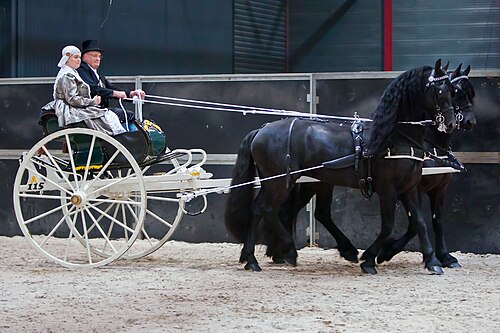
Modern Uses and Global Recognition
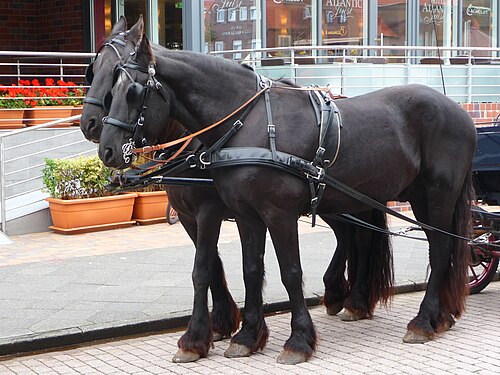
With the breed’s revival, Friesians found new roles beyond the battlefield. In the 20th century, they became popular carriage horses, especially in ceremonial and competitive driving. Their high-stepping trot and striking appearance made them favorites in harness events and parades. The breed’s versatility also led to their use in dressage, recreational riding, and even film and television, where their dramatic looks are in high demand.
Today, Friesian horses are recognized worldwide for their beauty and gentle nature. Breed associations and studbooks maintain strict standards to preserve their heritage. The Friesian’s adaptability, intelligence, and willingness to work have ensured their place in modern equestrian culture. For those interested in learning more about their unique traits, the article on interesting facts about Friesian horses provides further insights.
Key Characteristics Shaped by Centuries of Selective Breeding
The distinctive features of Friesians are the result of careful selection over generations. Their solid black coats, feathered legs, and arched necks are instantly recognizable. The breed is known for its expressive eyes, powerful build, and energetic yet manageable temperament. These qualities make Friesians suitable for a variety of disciplines, from dressage to driving and beyond.
Selective breeding has also preserved the breed’s signature movement. The high, animated trot and graceful canter are prized in both show and recreational settings. Friesians are generally easy to train and eager to please, making them favorites among amateur and professional riders alike.
Preservation Efforts and Breed Standards
Maintaining the integrity of the Friesian breed requires ongoing dedication. Breed associations, such as the Koninklijke Vereniging “Het Friesch Paarden-Stamboek” (KFPS), set rigorous standards for registration. Only horses meeting strict criteria for conformation, movement, and temperament are allowed into the studbook. These measures protect the breed from dilution and ensure that future generations retain the qualities that make Friesians unique.
International interest in Friesians has led to the establishment of breed societies around the world. These organizations promote responsible breeding, provide education, and support Friesian enthusiasts. For a detailed look at the breed’s historical milestones and preservation, the Friesian Horse Society’s history page offers a wealth of information.
Friesians in Popular Culture and Modern Life
The allure of Friesian horses extends beyond the show ring. Their dramatic appearance and gentle disposition have made them stars in movies, television, and live performances. Friesians have appeared in productions ranging from historical epics to fantasy films, often cast as noble steeds or mythical creatures.
In addition to their media presence, Friesians are cherished companions and partners in sport. Their calm demeanor and willingness to learn make them suitable for riders of all experience levels. Whether in dressage, driving, or pleasure riding, Friesians continue to inspire admiration and respect.
Frequently Asked Questions
What makes Friesian horses unique compared to other breeds?
Friesians stand out for their solid black coats, luxurious manes and tails, and expressive movement. Their combination of strength, elegance, and friendly temperament makes them highly sought after for both sport and companionship.
How did the breed survive near extinction?
Dedicated breeders in Friesland took action in the late 19th century by establishing a studbook and focusing on preserving pure bloodlines. Their efforts, along with strict breed standards, helped restore the Friesian population and secure its future.
Where can I learn more about Friesian horse care and behavior?
For those interested in understanding Friesian care, training, and behavior, the equine behavior and communication guide provides valuable insights. Additionally, the how to become a better horse owner article offers practical tips for building a strong bond with your horse.
Conclusion
The history of the Friesian horse is a testament to resilience, adaptability, and the enduring bond between humans and horses. From medieval battlefields to modern arenas, Friesians have evolved while retaining the qualities that make them extraordinary. Their legacy continues to grow as new generations discover the beauty and versatility of this remarkable breed.