

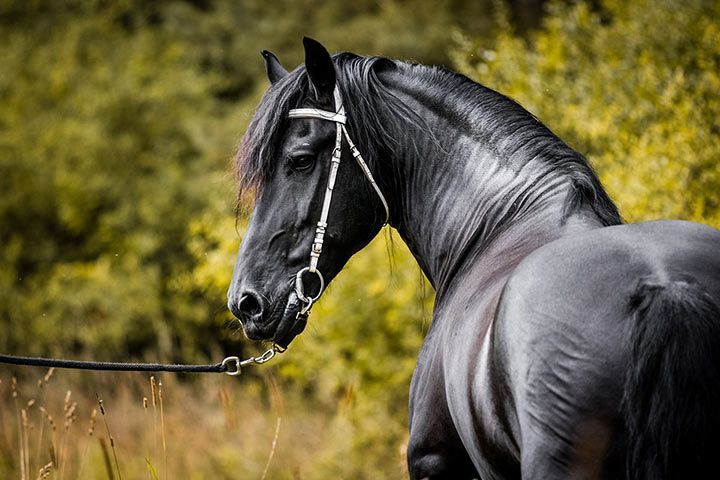
Caring for older Friesian horses requires thoughtful attention to their changing needs. As these majestic animals age, their nutritional requirements, exercise routines, and overall wellness strategies must adapt to support their health and quality of life. Understanding the unique challenges associated with aging Friesian horse care helps owners provide the best possible environment for their beloved companions.
Friesians are known for their striking appearance and gentle temperament, but like all breeds, they face specific issues as they grow older. From managing joint health to ensuring proper digestion, a proactive approach can make a significant difference in their comfort and longevity. This article explores practical guidance on nutrition, activity, grooming, and general well-being for senior Friesians.
For those interested in understanding more about Friesian horses in general, the complete guide to Friesian horses provides a comprehensive overview of their history, characteristics, and common health considerations.
Essential Nutrition for Senior Friesians
As Friesians age, their metabolism and digestive efficiency often decline. This makes it crucial to adjust their diet to maintain optimal health. Senior horses may struggle to chew and absorb nutrients from traditional feeds, so owners should focus on easily digestible, high-fiber options. Consider the following nutritional strategies for mature Friesians:
- Forage Quality: Provide soft, dust-free hay or soaked hay cubes to support dental health and digestion.
- Senior Feeds: Use specially formulated senior horse feeds that offer balanced vitamins, minerals, and added calories without excess starch.
- Protein and Fat: Include moderate protein and healthy fats (such as vegetable oil or stabilized rice bran) to help maintain muscle mass and body condition.
- Hydration: Ensure constant access to clean, fresh water, as older horses may be less inclined to drink.
- Supplements: Discuss joint, digestive, and vitamin supplements with your veterinarian to address specific age-related needs.
For more detailed nutritional advice tailored to Friesians, the nutrition for Friesians resource offers expert recommendations on feed choices and supplementation.
Exercise and Mobility for Older Friesian Horses
Maintaining an appropriate exercise routine is vital for the well-being of senior Friesians. While their energy levels and physical capabilities may decrease, regular movement helps preserve joint flexibility, muscle tone, and mental stimulation. Here are some exercise tips for aging horses:
- Low-Impact Activities: Gentle hand-walking, turnout in safe paddocks, and light riding (if approved by a veterinarian) support mobility without overexertion.
- Consistency: Short, frequent sessions are better than sporadic, intense workouts. Consistency helps prevent stiffness and injury.
- Monitor Gait and Comfort: Watch for signs of lameness, reluctance to move, or discomfort. Adjust routines as needed and consult your vet if issues arise.
- Stretching and Massage: Incorporate gentle stretching and massage to ease tension and promote circulation.
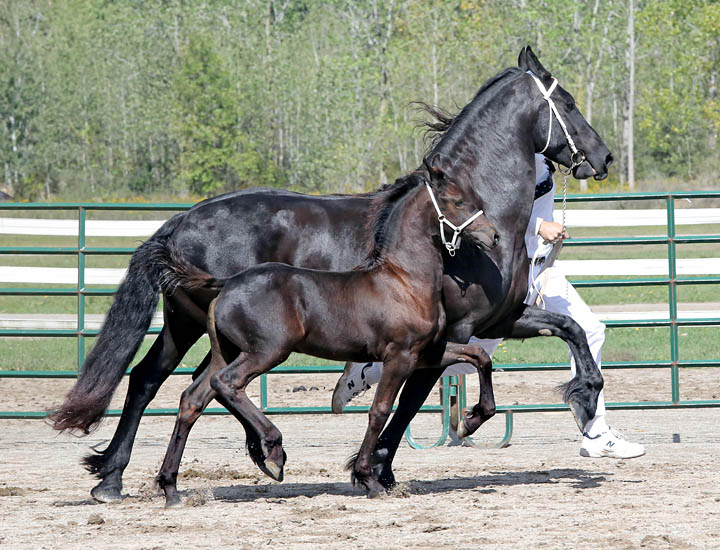
Always tailor exercise plans to the individual horse’s health status and consult your veterinarian before making significant changes to their activity level.
Wellness and Preventive Health Strategies
Proactive wellness routines are central to aging Friesian horse care. Senior horses are more susceptible to certain health issues, including arthritis, metabolic disorders, and dental disease. Regular checkups and preventive measures can help catch problems early and improve outcomes.
- Veterinary Exams: Schedule at least two wellness checks per year to monitor weight, teeth, and general health.
- Dental Care: Older Friesians often develop dental problems. Annual or biannual dental exams and floating are essential for proper chewing and digestion.
- Hoof Maintenance: Maintain a regular farrier schedule to prevent hoof imbalances and lameness.
- Vaccinations and Deworming: Keep vaccinations and parasite control up to date, as aging horses may have weaker immune systems.
- Body Condition Scoring: Monitor weight and muscle tone regularly to detect changes early and adjust feed or exercise as needed.
For additional guidance on humane and effective equine care, explore the horse welfare best practices article for actionable tips on maintaining your horse’s well-being.
Grooming and Daily Comfort for Senior Friesians
Grooming is more than just a way to keep your horse looking good—it’s an important aspect of health and comfort, especially for older horses. Regular grooming sessions help stimulate circulation, identify skin issues early, and strengthen the bond between horse and owner. Consider these grooming and comfort tips:
- Gentle Grooming Tools: Use soft brushes and grooming mitts to avoid irritating sensitive skin.
- Check for Sores: Pay close attention to pressure points, especially if your horse spends more time lying down or has a prominent backbone or hips.
- Blanketing: Older Friesians may need light blanketing in cold or wet weather, as they can lose body heat more quickly.
- Comfortable Bedding: Provide deep, clean bedding to cushion joints and encourage restful sleep.
- Monitor for Parasites: Check for lice, mites, or fungal infections, which can be more common in seniors with compromised immune systems.
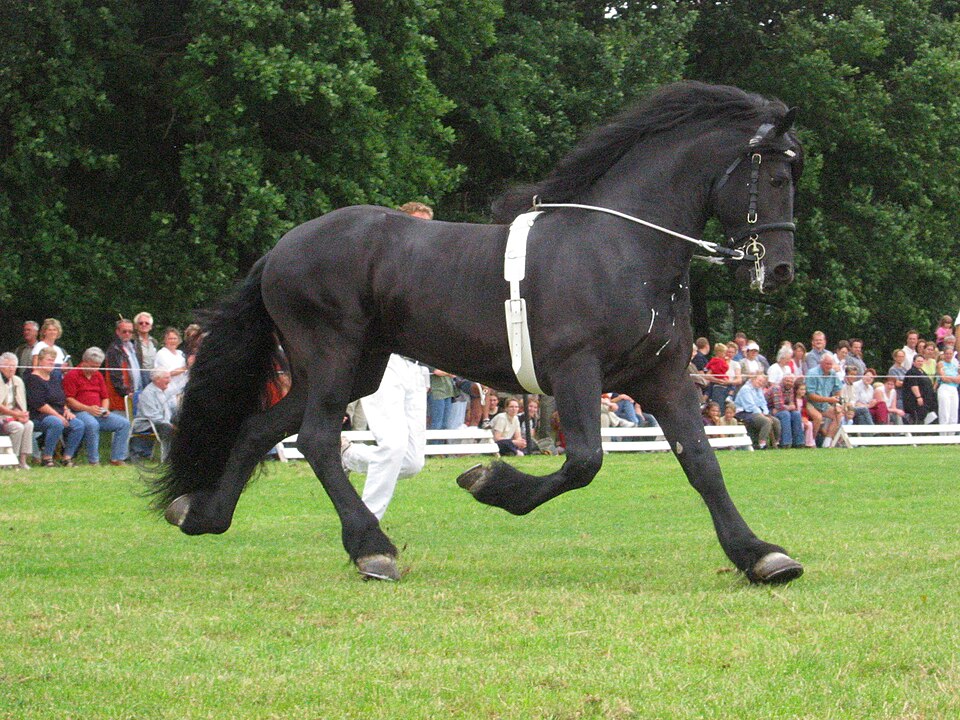
Grooming also provides an opportunity to observe changes in coat, skin, or behavior that may indicate underlying health concerns.
Supporting Mental and Emotional Well-Being
Older Friesians benefit from consistent routines and positive social interactions. Changes in environment or herd dynamics can be stressful, so try to keep daily schedules predictable. Allow your horse to interact with familiar companions, and provide enrichment through gentle groundwork, hand-grazing, or simply spending quiet time together.
Understanding equine behavior and communication can help you recognize signs of discomfort or contentment, making it easier to adjust care as needed.
Frequently Asked Questions
What are common health issues in older Friesian horses?
Senior Friesians are prone to arthritis, metabolic disorders, dental problems, and weight management challenges. Regular veterinary care and early intervention are key to managing these issues effectively.
How often should I adjust my senior Friesian’s diet?
Diet should be reviewed at least twice a year, or whenever you notice changes in weight, appetite, or energy. Work with your veterinarian or equine nutritionist to ensure your horse’s needs are being met as they age.
Can older Friesians still be ridden?
Many senior Friesians can continue light riding or groundwork, provided they are comfortable and cleared by a veterinarian. Always monitor for signs of discomfort and adjust activity levels as needed.
Conclusion
Providing attentive, individualized care for senior Friesians ensures they remain healthy and comfortable in their later years. By focusing on nutrition, gentle exercise, preventive health, and daily comfort, owners can help their horses age gracefully. Stay proactive, consult with professionals regularly, and cherish the special bond you share with your aging companion.