

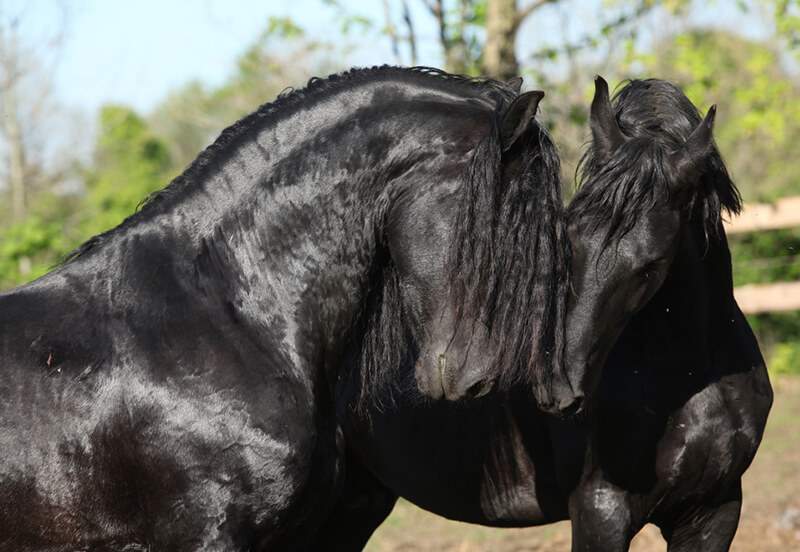
Friesian horses are admired worldwide for their striking appearance, gentle temperament, and versatility. As their popularity grows, so does the responsibility of breeders to ensure the health, well-being, and genetic integrity of this cherished breed. Breeding Friesian horses responsibly involves much more than simply pairing two attractive individuals. It requires a deep understanding of hereditary health, careful lineage analysis, and a commitment to ethical practices that protect both the horses and the breed’s future.
For those considering involvement in Friesian horse breeding or ownership, understanding the importance of health screening and pedigree checks is essential. This article explores the key considerations for responsible breeding, including the role of genetic testing, the value of reputable registries, and practical steps every breeder should take. If you’re interested in giving a Friesian a loving home, you can also find helpful Friesian horse adoption information to guide your journey.
Understanding the Importance of Responsible Friesian Breeding
Friesians are a unique and historic breed, known for their black coats, flowing manes, and expressive movement. However, the breed’s relatively small gene pool means that responsible breeding practices are crucial to avoid inherited health issues and maintain genetic diversity. Without careful selection and health checks, breeders risk perpetuating genetic disorders that can affect both the individual horse’s quality of life and the breed’s long-term viability.
Responsible breeders prioritize the welfare of their horses above all else. This includes ensuring that both mares and stallions are physically and mentally mature, healthy, and free from hereditary diseases before breeding. By doing so, breeders contribute to the preservation of the Friesian’s desirable traits while minimizing the risk of passing on genetic problems.
Health Screening: The Foundation of Ethical Friesian Horse Breeding
One of the most important aspects of breeding Friesian horses responsibly is comprehensive health screening. Friesians, like all purebred horses, are susceptible to certain inherited conditions. Some of the most common health concerns in this breed include:
- Dwarfism: A genetic disorder that can cause severe skeletal deformities and health complications.
- Hydrocephalus: A condition where fluid accumulates in the brain, often fatal in foals.
- Equine Polysaccharide Storage Myopathy (PSSM): A muscle disorder that can cause pain, stiffness, and weakness.
- Megaesophagus: An abnormal enlargement of the esophagus, leading to feeding difficulties.
Modern veterinary science offers genetic tests for many of these conditions. Ethical breeders will test both prospective parents for known genetic mutations and only breed horses that are clear or, in some cases, carriers with non-carriers to avoid producing affected foals. Regular veterinary check-ups, up-to-date vaccinations, and screening for infectious diseases are also essential steps in the breeding process.

Lineage Verification and the Role of Registries
Maintaining accurate pedigree records is another cornerstone of responsible Friesian horse breeding. Lineage verification ensures that only horses with documented ancestry and desirable traits are used in breeding programs. This helps prevent inbreeding, which can increase the risk of genetic disorders and reduce the overall health and vigor of the breed.
Reputable registries, such as the Koninklijke Vereniging “Het Friesch Paarden-Stamboek” (KFPS) and the Friesian Horse Association of North America (FHANA), play a critical role in this process. These organizations maintain detailed studbooks and require strict adherence to breed standards. Before breeding, it’s essential to verify both the mare and stallion’s registration status and review their ancestry for potential genetic risks.
For a deeper understanding of the Friesian’s rich heritage and the importance of global breed standards, you can explore the Friesian horse’s worldwide history and reputation.
Best Practices for Selecting Breeding Pairs
Choosing the right horses to breed is a careful balance of health, temperament, conformation, and genetic compatibility. Here are some key practices to follow:
- Health First: Only breed horses that have passed all recommended veterinary and genetic tests.
- Pedigree Analysis: Study several generations of ancestry to avoid close inbreeding and identify desirable traits.
- Temperament and Trainability: Select horses with calm, willing personalities to promote good behavior in offspring.
- Conformation: Prioritize correct structure and movement, as outlined by breed standards.
- Consultation: Work with experienced breeders and veterinarians to assess compatibility and minimize risks.
By following these guidelines, breeders can help ensure that each new foal is healthy, well-adjusted, and a positive addition to the Friesian community.

Ethical Responsibilities and Ongoing Care
Ethics are at the heart of responsible Friesian horse breeding. Breeders must be prepared to provide lifelong care for every horse they produce, including those that may not meet breed standards or develop health issues. This means planning for the possibility of unsold or returned horses and ensuring that all foals are placed in suitable, knowledgeable homes.
Ongoing support for new owners, transparency about health and lineage, and a willingness to take back horses if needed are all hallmarks of a reputable breeder. Additionally, breeders should stay informed about advances in veterinary medicine and genetics to continuously improve their practices.
Preserving the Friesian Legacy for Future Generations
Friesian horses have a long and storied history, and their continued success depends on the dedication of breeders who put the breed’s welfare above short-term gains. By prioritizing health screening, rigorous lineage checks, and ethical decision-making, breeders help ensure that Friesians remain healthy, beautiful, and beloved for generations to come.
For those passionate about the breed, whether as breeders, owners, or enthusiasts, learning about responsible practices is the best way to honor the Friesian’s heritage and contribute to its future. If you’re interested in other aspects of equine care and safety, you might also find our articles on impact of age on helmet protective foam and how to find the right riding helmet for your head shape helpful.
Frequently Asked Questions
What genetic diseases are most common in Friesian horses?
Some of the most prevalent inherited conditions in Friesians include dwarfism, hydrocephalus, PSSM, and megaesophagus. Responsible breeders use genetic testing to screen for these disorders and avoid producing affected foals.
How can I verify the lineage of a Friesian horse?
Lineage verification is typically done through reputable registries such as KFPS or FHANA, which maintain detailed studbooks and require documentation of ancestry. Always request registration papers and review several generations of pedigree before breeding or purchasing a Friesian.
Why is genetic diversity important in Friesian breeding?
Genetic diversity helps reduce the risk of inherited diseases and promotes overall health and vigor in the breed. Careful selection of breeding pairs and avoidance of close inbreeding are essential to maintaining a healthy population.