

When it comes to horseback riding, safety is paramount. One of the most essential pieces of protective equipment is the riding helmet. Yet, many riders are unsure how long their helmet will actually provide effective protection. Understanding equestrian helmet lifespan and expiration is crucial for every rider, whether you’re a beginner or an experienced equestrian. Knowing when to replace your helmet can make a significant difference in your safety during every ride.
This article explains the factors that affect how long a riding helmet lasts, how to recognize signs of wear, and what the industry recommends for replacement. We’ll also cover how helmet technology and standards have evolved, and provide practical tips for maximizing your helmet’s protective qualities.
For those interested in a more tailored fit, you may want to read about how to find the right riding helmet for your head shape to ensure both comfort and safety.
Understanding Helmet Longevity: What Influences It?
The expected service life of a riding helmet depends on several factors. Manufacturers, safety organizations, and equestrian experts generally agree that helmets are not designed to last forever. Their ability to protect you can diminish over time due to:
- Material degradation – The foam and shell materials can break down, especially when exposed to sunlight, sweat, and temperature changes.
- Impact events – Any fall or blow, even if the helmet looks undamaged, can compromise its protective structure.
- Frequency of use – Helmets used daily will wear out faster than those used occasionally.
- Storage conditions – Storing a helmet in a hot car, damp tack room, or direct sunlight accelerates aging.
It’s important to note that even if your helmet appears intact, unseen damage can occur within the protective foam or shell. This is why regular inspection and timely replacement are essential for rider safety.
Recommended Replacement Intervals for Riding Helmets
Most helmet manufacturers and safety organizations recommend replacing your helmet every five years, regardless of visible wear. This guideline is based on studies showing that the materials used in helmets lose their effectiveness over time. If your helmet has been involved in a fall or significant impact, it should be replaced immediately—even if there are no obvious cracks or dents.
For more information on how aging affects helmet materials, see this resource on the impact of age on helmet protective foam.
Signs Your Helmet Needs to Be Replaced
While the five-year rule is a good general guideline, sometimes helmets need to be replaced sooner. Look for these warning signs:
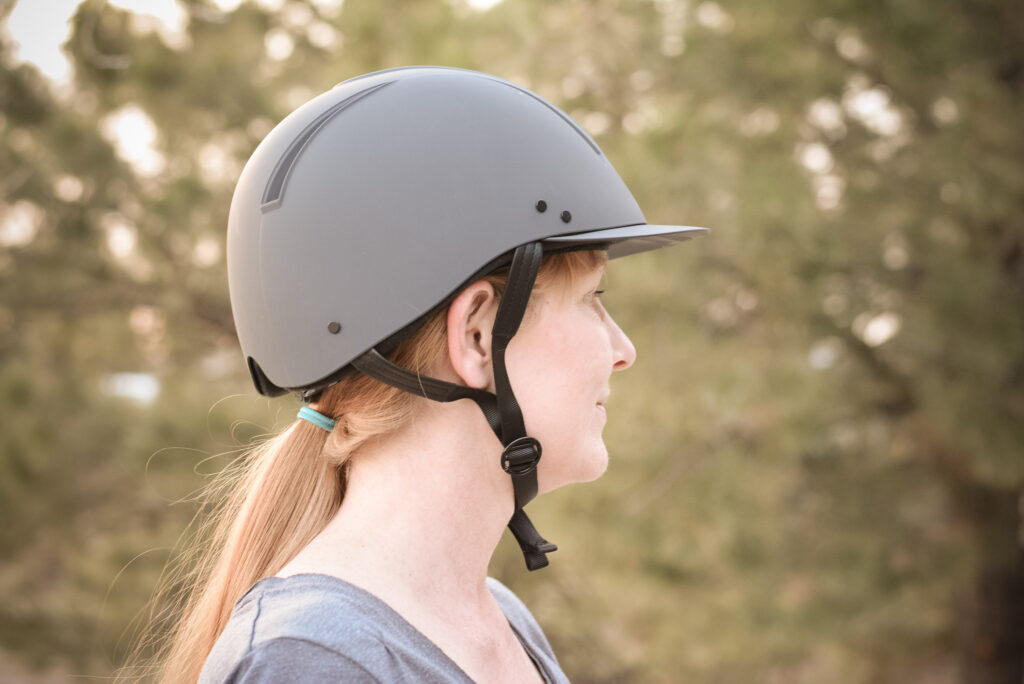
- Cracks, dents, or deep scratches in the outer shell
- Compressed or crumbling foam inside
- Loose, broken, or frayed straps and buckles
- Unusual movement or poor fit compared to when new
- Faded color or brittle texture, indicating UV or heat damage
If you notice any of these issues, it’s time for a new helmet. Even minor impacts can cause internal damage that isn’t visible but can reduce the helmet’s ability to absorb shock.
How Modern Technology Impacts Helmet Durability
Advancements in helmet design and materials have improved both safety and comfort. Features like MIPS (Multi-directional Impact Protection System) and advanced ventilation systems are now common. These innovations can enhance protection but do not extend the recommended replacement interval. For more on the latest safety technologies, you can explore MIPS helmet technology for equestrians.
It’s also important to check that your helmet meets current safety standards, which can vary by country. For a deeper look at regulations, see the difference between UK and US riding standards.

Best Practices for Helmet Care and Storage
Proper care can help you get the most out of your helmet’s service life. Here are some practical tips:
- Store your helmet in a cool, dry place away from direct sunlight and extreme temperatures.
- Clean the outer shell and inner lining with mild soap and water—never use harsh chemicals.
- Allow your helmet to air dry completely after use, especially if it’s been exposed to sweat or rain.
- Avoid dropping your helmet or placing heavy objects on top of it.
- Regularly inspect straps, buckles, and the retention system for signs of wear.
For more on keeping your helmet secure and functional, check out the importance of a secure helmet retention system for safety.
Frequently Asked Questions
How can I tell if my riding helmet is expired?
Most helmets have a manufacturing date stamped inside. If it’s been more than five years since that date, or if the helmet has been involved in a fall, it should be replaced. Always check for visible damage and consult the manufacturer’s guidelines for your specific model.
Does a helmet need to be replaced after every fall?
Yes, any impact can compromise the helmet’s protective structure, even if there’s no visible damage. After a fall or blow, replace your helmet to ensure you’re fully protected during future rides.
Do more expensive helmets last longer?
Price does not necessarily extend the usable life of a helmet. All helmets, regardless of cost, are subject to the same material aging and safety standards. Higher-priced models may offer additional features or comfort, but the recommended replacement interval remains the same.
How should I measure my head for a new helmet?
Use a flexible tape measure to find the circumference of your head just above your eyebrows and ears. For a step-by-step guide, see how to measure head circumference for horses.
Conclusion
Understanding the equestrian helmet lifespan and expiration is essential for every rider’s safety. Helmets are designed to absorb impact and protect your head, but their effectiveness declines over time and after impacts. By following manufacturer guidelines, inspecting your helmet regularly, and replacing it as needed, you can ride with greater confidence and peace of mind. Always prioritize safety—your helmet is one of the most important investments you’ll make as an equestrian.