

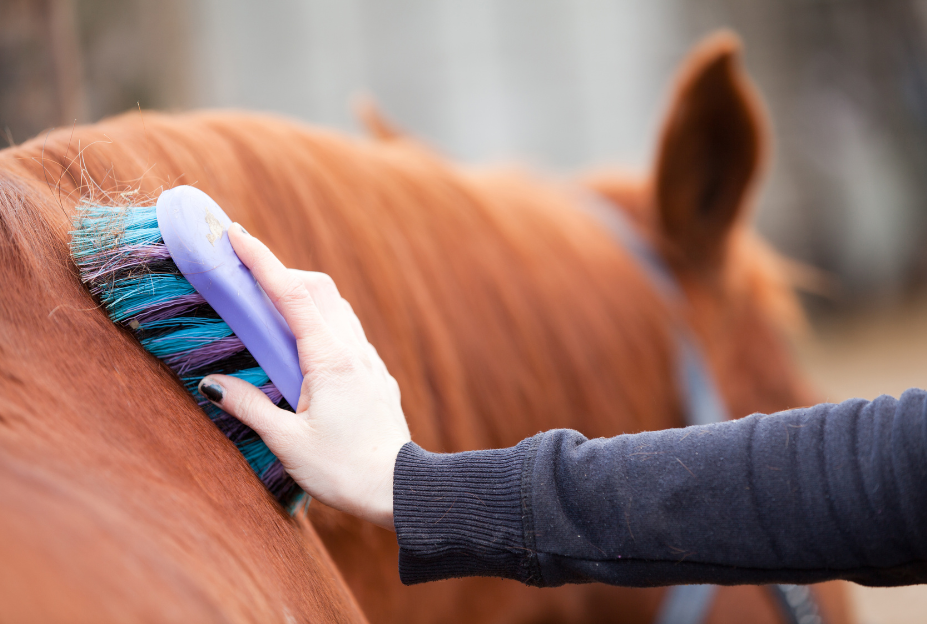
Proper grooming is essential for every horse’s health and comfort, but it’s just as important to prioritize safety for both the handler and the animal. Using the right horse grooming safety equipment can prevent injuries, reduce stress, and make daily care routines more efficient. Whether you’re a new horse owner or an experienced equestrian, understanding which protective gear is necessary will help you create a safer environment in the stable.
This article covers the essential safety gear for grooming, practical tips for safe handling, and how to choose the best products for your needs. If you’re interested in learning more about related equestrian safety, you might also find our guide on how to find the right riding helmet for your head shape helpful.
Why Safety Matters During Horse Grooming
Grooming sessions are opportunities to bond with your horse, check for injuries, and maintain coat health. However, horses are large, powerful animals that can react unpredictably, especially if startled or uncomfortable. Using protective equipment for horse grooming reduces the risk of accidental kicks, bites, or scratches. It also helps handlers maintain control and confidence, making the process smoother for everyone involved.
Neglecting safety can lead to preventable accidents, so investing in the right gear is a smart step for anyone working with horses regularly.
Essential Horse Grooming Safety Equipment
To ensure a safe grooming experience, it’s important to have the following items on hand. These tools and protective gear are designed to safeguard both the handler and the horse.
- Sturdy Gloves: Wearing gloves protects your hands from bites, rope burns, and accidental nicks from grooming tools. Choose gloves with a good grip and flexibility for handling brushes and hoof picks.
- Protective Footwear: Closed-toe boots with reinforced toes are crucial. Horses can accidentally step on feet, and proper footwear prevents serious injuries.
- Helmet: While helmets are often associated with riding, they can also be valuable during grooming—especially for children or when working with unfamiliar or nervous horses. For more on helmet safety, see our article on the importance of a secure helmet retention system.
- Safety Halter and Lead Rope: Use a breakaway halter and a strong, well-maintained lead rope to secure your horse. This allows for quick release if the horse panics, reducing the risk of injury.
- Grooming Apron or Vest: An apron or vest with pockets keeps tools handy and protects your clothing from dirt and hair. Some aprons are reinforced for extra protection against kicks or bites.
- Hoof Pick with Guard: Choose a hoof pick with a finger guard to avoid accidental slips and injuries while cleaning hooves.
- First Aid Kit: Always have a basic first aid kit nearby for both horse and handler, including bandages, antiseptic, and wound dressings.
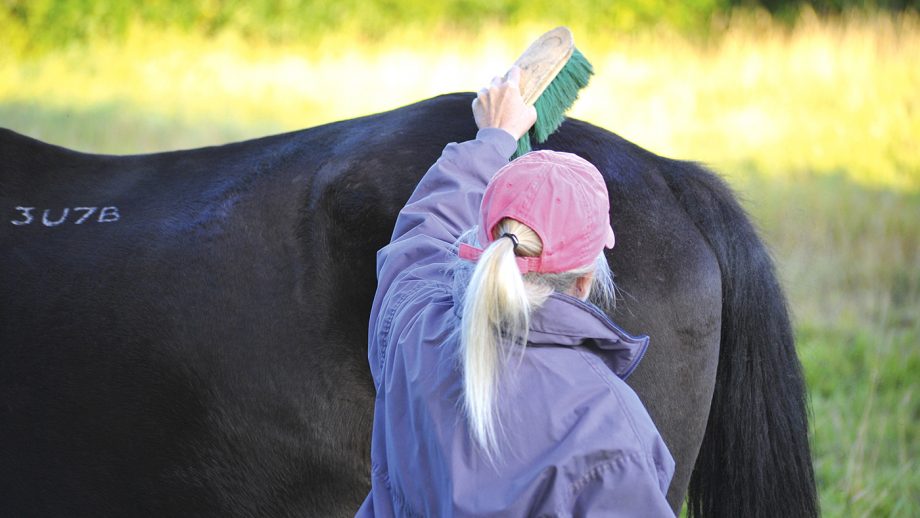
Safe Handling Practices for Grooming
Even with the best grooming safety gear, proper handling techniques are essential. Here are some tips to minimize risk during grooming sessions:
- Always approach your horse calmly and speak softly to announce your presence.
- Stand close to the horse’s body, not at arm’s length, to reduce the force of a potential kick.
- Keep one hand on the horse while moving around, so it knows where you are.
- Never kneel or sit on the ground while working on hooves; squat instead, ready to move quickly if needed.
- Secure the horse in a safe, well-lit area with non-slip flooring.
- Check all equipment for wear and tear before use.
For more detailed tips on safe grooming and show preparation, you can read these horse show grooming tips from experienced professionals.
Choosing the Right Safety Gear for Your Needs
Not all horse grooming safety equipment is created equal. When selecting products, consider the following factors:
- Fit and Comfort: Gloves, aprons, and helmets should fit well without restricting movement. Ill-fitting gear can be distracting and less effective.
- Durability: Invest in equipment made from high-quality materials that can withstand daily use and exposure to dirt, moisture, and horse hair.
- Ease of Cleaning: Choose items that are easy to wash or wipe down, as grooming can get messy.
- Visibility: Brightly colored or reflective gear can help others spot you in busy stables or low-light conditions.
- Horse’s Temperament: Nervous or young horses may require extra precautions, such as additional padding or more secure halters.
Reading product reviews and consulting with other horse owners can help you find reliable brands and models. If you’re unsure about sizing, especially for helmets, our article on how to measure head circumference for horses offers practical guidance.
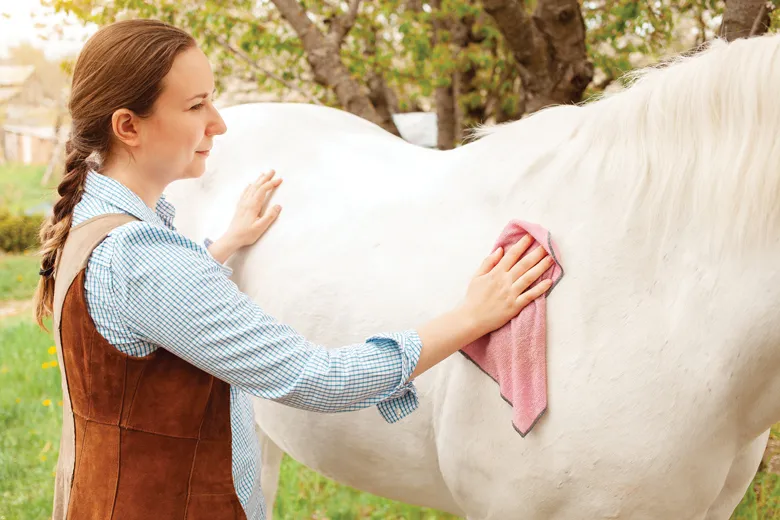
Maintaining and Storing Your Grooming Safety Equipment
To get the most out of your investment, it’s important to care for your grooming safety gear properly. Here are some maintenance tips:
- Clean gloves, aprons, and helmets after each use to remove hair, sweat, and dirt.
- Inspect equipment regularly for signs of damage and replace items that are worn or broken.
- Store gear in a dry, ventilated area to prevent mold and mildew.
- Keep first aid supplies stocked and check expiration dates periodically.
Well-maintained equipment not only lasts longer but also provides consistent protection every time you groom your horse.
Frequently Asked Questions
What is the most important piece of safety equipment for horse grooming?
While all safety gear plays a role, protective footwear is often considered the most critical. Horses can unintentionally step on feet, and sturdy boots help prevent serious injuries. Gloves and a breakaway halter are also highly recommended for added protection.
Should children wear helmets during grooming?
Yes, it’s a good idea for children to wear helmets when grooming, especially if they are inexperienced or working with unpredictable horses. Helmets provide head protection in case of sudden movements or accidental bumps.
How often should grooming safety equipment be replaced?
Replace any gear that shows signs of wear, damage, or loss of protective function. For items like helmets, follow manufacturer guidelines and check for cracks or compromised straps. Regularly inspect gloves, aprons, and halters to ensure they remain in good condition.
Conclusion
Investing in the right horse grooming safety equipment is essential for anyone who spends time caring for horses. By choosing quality gear, following safe handling practices, and maintaining your equipment, you can create a safer, more enjoyable grooming experience for both you and your horse. Remember, safety is a habit—make it part of your daily routine in the stable.