

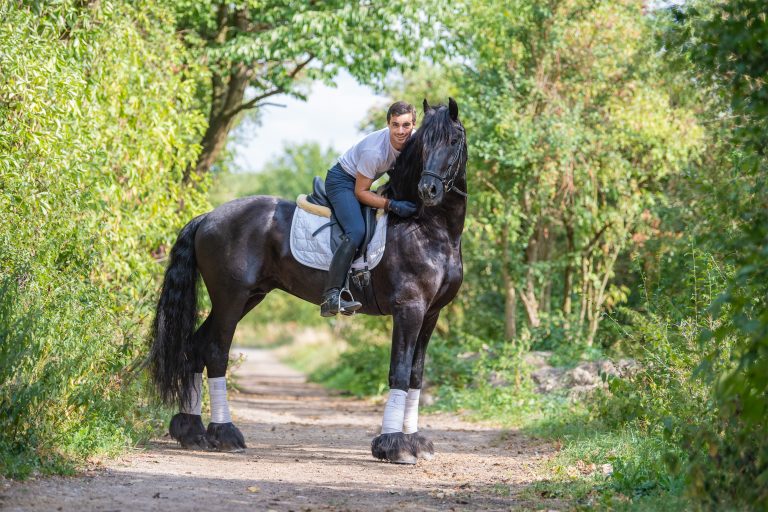
Finding the right bridle and bit for a Friesian is essential for both comfort and performance. These majestic horses are known for their elegant head carriage, expressive faces, and thick manes, but their unique anatomy and temperament require special attention when choosing tack. Proper bridle fitting for Friesian horses not only ensures a secure and gentle connection but also prevents discomfort, resistance, and long-term oral issues.
This article will walk you through the key considerations for fitting bridles and selecting bits that suit the Friesian breed. We’ll cover anatomical factors, sizing tips, bit types, and practical advice to help you make informed decisions for your horse’s wellbeing. For a broader perspective on Friesian care and characteristics, you may also find the complete guide to Friesian horses helpful.
Understanding Friesian Head Anatomy and Bridle Fit
Friesians have distinctive head shapes with broad foreheads, convex profiles, and wide jaws. Their poll area is often more pronounced, and their thick forelocks can add bulk under the crownpiece. These features mean that standard horse-sized bridles may not always provide an ideal fit.
- Browband length: Friesians often need a longer browband to avoid pinching behind the ears and to accommodate their wide foreheads.
- Noseband placement: A dropped or flash noseband should sit comfortably without pressing on the sensitive facial nerves. Oversized nosebands may be necessary to prevent tightness.
- Crownpiece comfort: Look for padded or anatomical crownpieces that distribute pressure evenly and avoid the base of the ears.
When adjusting the bridle, ensure two fingers fit under the throatlatch and noseband. The bit should create a soft wrinkle at the corners of the mouth, but not pull the lips upward. Regularly check for rubs or pressure points, especially after longer rides or training sessions.
Choosing the Right Bit for Friesian Comfort
Bit selection is a critical part of bridle fitting for Friesian horses. Friesians are generally sensitive and intelligent, responding best to gentle, well-fitted bits. Their mouths tend to be fleshy with a low palate, so certain bit shapes and sizes are more suitable.
- Bit thickness: A medium-thickness bit (14–16 mm) is often ideal. Too thick can crowd the mouth, while too thin may cause pinching.
- Mouthpiece shape: Single-jointed bits can create a nutcracker effect, which may not suit the Friesian’s mouth. Double-jointed or anatomical mouthpieces distribute pressure more evenly.
- Material: Stainless steel, titanium, and sweet iron are popular choices. Some Friesians prefer bits with a copper inlay for increased salivation and softness.
- Bit length: Measure your horse’s mouth width and add 5 mm for comfort. The bit should not extend far beyond the lips or pinch at the corners.
Popular options for Friesians include loose ring snaffles, eggbutt snaffles, and gentle mullen mouthpieces. Always introduce new bits gradually and observe your horse’s response for signs of acceptance or discomfort.
Common Bridle and Bit Fitting Mistakes
Even experienced owners can make errors when fitting tack to Friesians. Here are some frequent issues and how to avoid them:
- Using standard horse sizes: Friesians often require “warmblood” or “oversize” bridles, especially for browbands and nosebands. Custom or adjustable bridles may be necessary for the best fit.
- Ignoring mane and forelock bulk: Thick hair can cause crownpieces to sit unevenly or create pressure points. Adjust or select bridles with extra padding and width.
- Overly tight nosebands: Tight nosebands restrict jaw movement and can cause stress. Always check tightness and adjust for comfort.
- Improper bit placement: Bits that are too high or low can cause head tossing or resistance. Adjust cheekpieces so the bit sits comfortably in the mouth.
Regularly inspect your horse’s head after rides for any signs of rubbing, swelling, or behavioral changes. Early detection of issues can prevent long-term discomfort and training setbacks.
Tips for Maintaining Comfort and Performance
Beyond the initial fitting, ongoing care and observation are essential for keeping your Friesian happy and responsive under saddle. Here are some practical tips:
- Clean tack regularly: Remove sweat, dirt, and hair from bridles and bits after every ride. This prevents irritation and prolongs the life of your equipment.
- Check fit frequently: Horses’ heads can change shape with age, training, and weight fluctuations. Reassess bridle and bit fit every few months.
- Watch for behavioral cues: Head shaking, gaping, or reluctance to accept the bit may indicate discomfort. Address these signs promptly.
- Consult professionals: If you’re unsure about fit, seek advice from an experienced trainer, equine dentist, or saddle fitter familiar with Friesians.
For more on understanding your horse’s comfort and signals, the article on equine behavior and communication provides valuable insights into reading subtle cues and building trust.

Additional Resources for Friesian Owners
Learning about Friesian-specific needs can help you make better choices in all aspects of horse care. For those interested in competitive riding, breeding, or simply enjoying the breed’s beauty, resources like the Legacy Sport Horses blog on Friesian sport horses offer insights into their versatility and potential. Staying informed ensures your Friesian remains healthy, comfortable, and happy in every discipline.
Frequently Asked Questions
What size bridle does a typical Friesian need?
Most Friesians require a “warmblood” or “oversize” bridle, especially for the browband and noseband. However, individual measurements are essential, as head shapes can vary. Always measure your horse and compare with manufacturer sizing charts for the best fit.
Which bit style is most comfortable for Friesians?
Gentle, double-jointed snaffles or anatomical mouthpieces are often the most comfortable for Friesians. Avoid bits that are too thick or thin, and select a length that matches your horse’s mouth width. Monitor your horse’s response and adjust as needed.
How do I know if my Friesian’s bridle or bit is causing discomfort?
Signs of discomfort include head tossing, resistance to bridling, excessive salivation, or rub marks on the face. If you notice any of these, reassess the fit and consult a professional if needed. Regular checks and attentive care are key to preventing issues.
Can I use the same bridle and bit for different Friesians?
While some Friesians may have similar head shapes, each horse is unique. Always check fit and comfort for each individual. Adjustments or different equipment may be necessary to ensure optimal comfort and performance.
Proper bridle fitting for Friesian horses is a blend of art and science. By understanding your horse’s unique needs, choosing the right equipment, and maintaining regular checks, you’ll help your Friesian thrive in any discipline. For more tips on responsible horse care, see our guide on horse ownership responsibilities.