

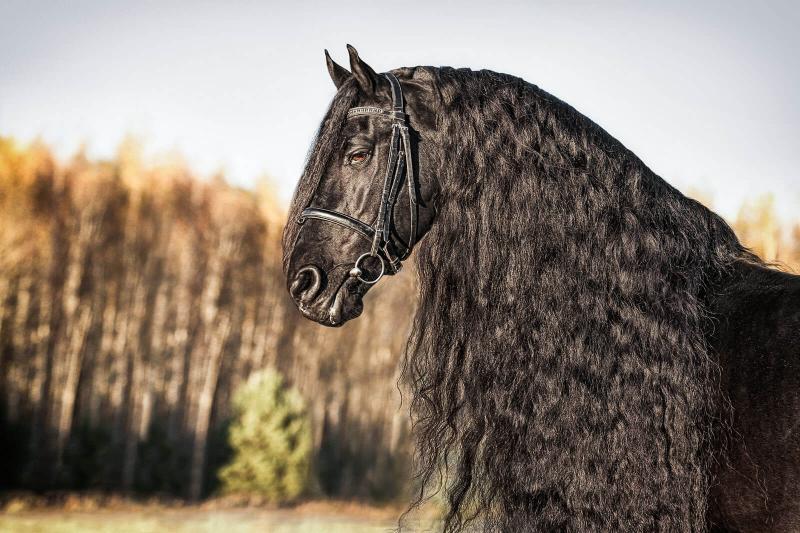
The Friesian horse is renowned for its striking appearance and expressive, high-stepping gaits, making it a favorite in the world of dressage. With their powerful build, elegant movement, and willing temperament, Friesians excel in classical training and high-action performances. Whether you are a seasoned equestrian or just beginning your journey with this majestic breed, understanding the unique aspects of Friesian horse dressage training is essential for success in the arena.
This article explores the fundamentals of developing a Friesian for dressage, from groundwork to advanced movements. You’ll learn how to harness their natural abilities, address common challenges, and set a solid foundation for both horse and rider. For a broader understanding of the breed, the complete guide to Friesian horses offers valuable insights into their history, care, and versatility.
Understanding the Friesian’s Natural Movement
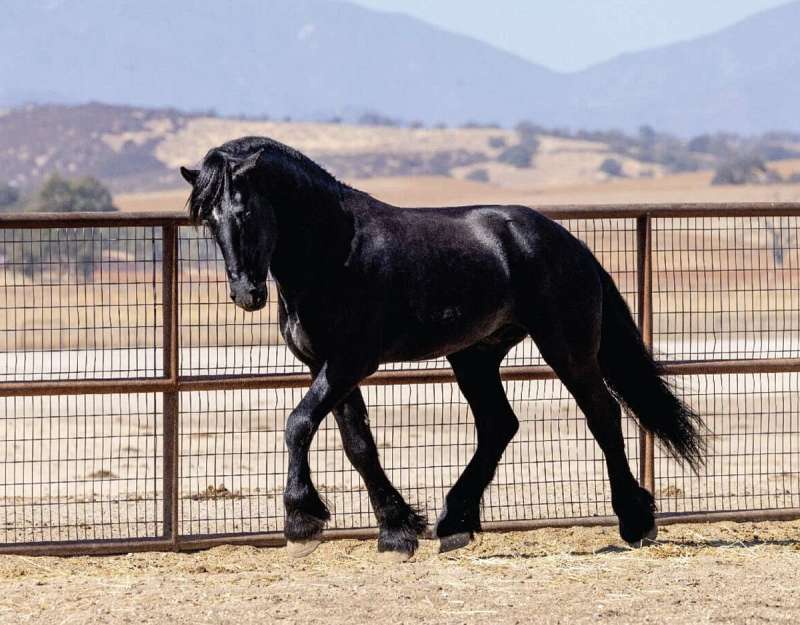
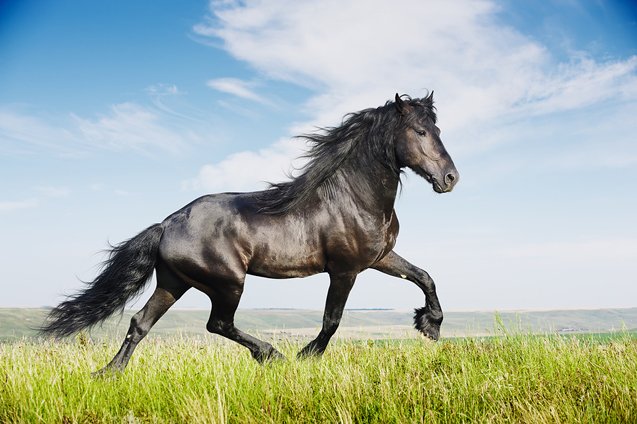
Friesians are celebrated for their animated trot and proud carriage. Their conformation—arched neck, strong back, and active hindquarters—lends itself to the expressive movements required in dressage. However, these same traits can present training challenges, particularly when it comes to achieving collection and impulsion.
Unlike lighter warmbloods, Friesians may require more focused work on balance and engagement. Their natural high knee action is an asset in movements like the passage and piaffe, but it’s important to channel this energy correctly. Consistent, patient training helps develop the strength and flexibility needed for advanced dressage work.
Building a Foundation: Groundwork and Basics
Before introducing complex maneuvers, it’s crucial to establish trust and communication through groundwork. This phase lays the mental and physical groundwork for future success in the dressage ring. Key elements include:
- Leading and Lunging: Teach your Friesian to respond to voice commands and body language. Lunging helps develop rhythm, balance, and obedience.
- Desensitization: Exposure to new environments and stimuli builds confidence and focus.
- Long-Lining: This technique encourages engagement of the hindquarters and acceptance of the bit, preparing the horse for ridden work.
Groundwork also provides an opportunity to observe your horse’s natural movement and address any stiffness or asymmetry before progressing to ridden training.
Progressing to Ridden Dressage Work
Once your Friesian is responsive and confident on the ground, you can begin under-saddle training. Focus on the following areas to develop a well-rounded dressage partner:
- Rhythm and Relaxation: Encourage a steady tempo and soft contact. Friesians may be naturally forward, so prioritize relaxation and suppleness.
- Contact and Connection: Work on consistent rein contact and encourage the horse to stretch into the bridle. Avoid overbending or restricting the neck, which can hinder movement.
- Transitions: Practice frequent transitions between and within gaits to improve responsiveness and engagement.
- Lateral Work: Introduce leg yields, shoulder-in, and haunches-in to increase flexibility and balance.
Remember that Friesians can be sensitive and eager to please. Use positive reinforcement and clear cues to build confidence and trust throughout the training process.
Mastering High-Action Movements in Dressage
The hallmark of Friesian dressage is the ability to perform expressive, elevated movements. To achieve this, focus on exercises that enhance collection, impulsion, and self-carriage:
- Collected Trot: Use half-halts and transitions to encourage the horse to sit and elevate the forehand.
- Piaffe and Passage: Friesians are naturally gifted in these movements. Start with small steps, rewarding even slight attempts at increased elevation and cadence.
- Canter Pirouettes: Work on developing strength and balance through circles and spirals before attempting full pirouettes.
Consistency and patience are key. Avoid drilling complex movements excessively, as this can lead to tension or resistance. Instead, incorporate variety and reward progress, no matter how incremental.
Common Challenges and Solutions in Friesian Dressage
While Friesians are naturally talented, riders may encounter specific obstacles during training. Here are some common issues and practical solutions:
- Stiffness or Resistance: Friesians can become tight in the back or poll. Incorporate stretching exercises and frequent breaks to maintain relaxation.
- Lack of Forward Impulsion: Encourage energy from the hindquarters with transitions and ground poles. Praise every effort to move forward willingly.
- Difficulty with Collection: Use gymnastic exercises, such as serpentines and figure-eights, to improve balance and strength gradually.
- Overexcitement: Friesians are often eager to perform. Maintain a calm, consistent routine and avoid overfacing the horse with too many new tasks at once.
For more on understanding your horse’s mindset and communication, the article on equine behavior and communication provides helpful guidance for building a deeper partnership.
Grooming and Presentation for the Dressage Arena
Presentation is a key aspect of dressage competition, especially with a breed as visually stunning as the Friesian. Regular grooming not only keeps your horse looking its best but also supports skin and coat health. Focus on:
- Mane and Tail Care: Use detanglers and gentle brushing to maintain the signature long, flowing mane and tail.
- Hoof Health: Clean and inspect hooves daily, paying special attention to feathered legs.
- Coat Conditioning: Bathe as needed and use quality grooming products to enhance shine and cleanliness.
For recommended grooming tools and products, consider the options highlighted above to keep your Friesian in top condition for every training session and show.
Choosing the Right Trainer and Support Team
Success in advanced dressage requires a knowledgeable trainer who understands the unique qualities of Friesians. Look for professionals with experience in both classical dressage and this specific breed. A supportive team—including farriers, veterinarians, and bodyworkers—ensures your horse remains healthy and happy throughout its training journey.
For further insights into the competitive potential and versatility of Friesian sport horses, explore this in-depth article on Friesian sport horses’ beauty, power, and competition potential.
Maintaining Motivation and Enjoyment
Dressage training is a long-term commitment that requires patience and adaptability. Celebrate small milestones, keep sessions varied, and prioritize your Friesian’s mental well-being. Building a strong bond and mutual trust will not only improve performance but also make the journey enjoyable for both horse and rider.
For tips on balancing your equestrian pursuits with daily responsibilities, see our guide to equestrian lifestyle tips.
Frequently Asked Questions
What makes Friesians well-suited for dressage?
Friesians possess a natural ability for expressive, high-stepping movements, combined with a willing temperament and strong work ethic. Their conformation supports collection and elevation, making them ideal for advanced dressage exercises.
How long does it take to train a Friesian for dressage?
Training timelines vary based on the horse’s age, prior experience, and individual temperament. On average, it may take several years of consistent, progressive work to reach higher levels of dressage. Patience and a solid foundation are key to long-term success.
Are there specific challenges when training Friesians compared to other breeds?
Yes, Friesians may require extra attention to flexibility, stamina, and relaxation due to their powerful build and animated movement. Regular stretching, varied routines, and a focus on balance help address these challenges effectively.
With the right approach, dedication, and understanding, Friesians can shine in the dressage arena, captivating audiences and judges alike with their unique presence and talent.