

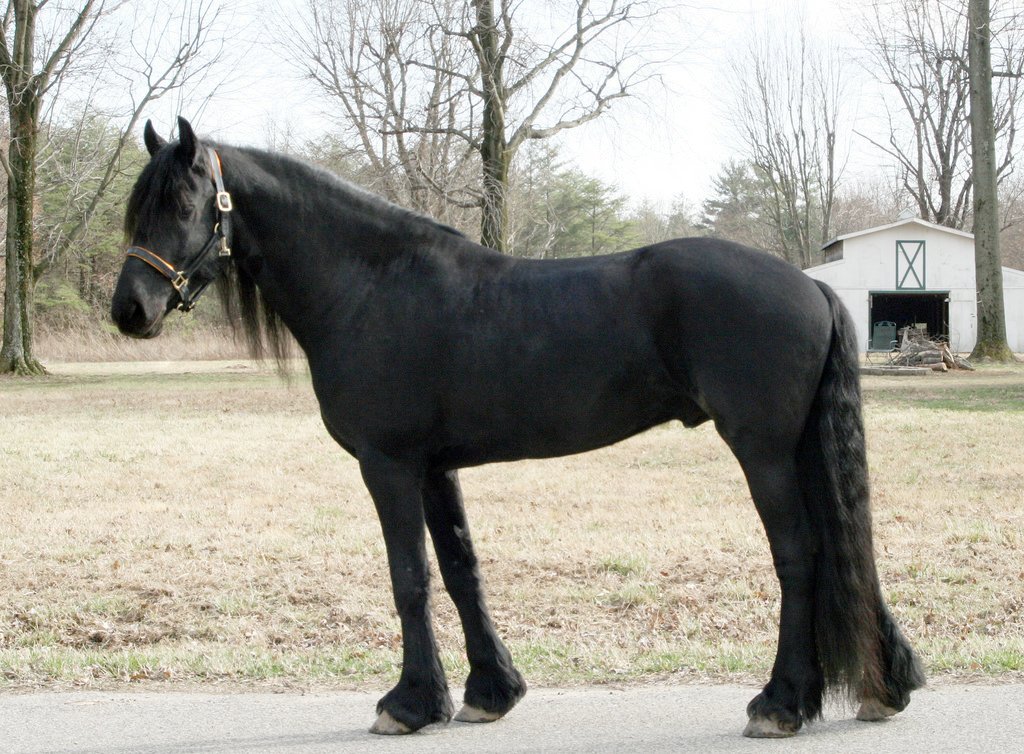
Friesian horses are renowned for their striking appearance, graceful movement, and versatility in both riding and driving disciplines. To help these majestic animals reach their full athletic potential, a well-structured fitness training for Friesian horses program is essential. Building strength and stamina not only enhances performance but also supports long-term health and soundness. Whether your Friesian is destined for dressage, carriage driving, or pleasure riding, understanding the unique needs of this breed is the first step toward effective conditioning.
Before diving into specific workouts and routines, it’s important to recognize the Friesian’s distinctive characteristics. These horses have powerful hindquarters, a naturally upright neck, and a calm yet willing temperament. However, they can be prone to certain challenges, such as a tendency toward weight gain and a predisposition to metabolic issues. A thoughtful approach to training and management can help you overcome these hurdles and develop a robust, resilient equine partner.
For a comprehensive overview of the breed’s history, temperament, and care, explore the complete guide to Friesian horses. This resource provides valuable context for tailoring your training approach to the Friesian’s unique needs.
Understanding the Friesian’s Athletic Profile
Developing a successful conditioning plan for Friesians starts with understanding their physical and mental makeup. Friesians are known for their expressive gaits, high knee action, and strong presence. Their muscular build makes them well-suited for activities that require power and elegance, such as dressage and driving. However, their heavier frame and slower metabolism mean that careful attention must be paid to both exercise and diet.
Some key considerations for Friesian fitness:
- Muscle Development: Friesians benefit from exercises that build topline and hindquarter strength.
- Cardiovascular Fitness: Increasing stamina is crucial, especially for performance horses.
- Joint Health: Their weight and conformation can put extra strain on joints, so gradual progression is vital.
- Mental Engagement: These intelligent horses thrive on varied routines that keep them interested and responsive.
For more insight into horse behavior and how to communicate effectively during training, see the article on equine behavior and communication.
Key Components of Fitness Training for Friesian Horses
Building a well-rounded exercise regimen for Friesians involves a blend of groundwork, ridden work, and cross-training. Here are the foundational elements:
1. Warm-Up and Cool-Down
Every session should begin with a gentle warm-up to prepare muscles and joints. Start with 10–15 minutes of walking, either in-hand or under saddle, gradually introducing suppling exercises such as circles and serpentines. Finish each workout with a cool-down period to help the horse’s heart rate return to normal and reduce muscle soreness.
2. Strength-Building Exercises
To enhance muscle tone and power, incorporate the following activities:
- Hill Work: Walking or trotting up gentle slopes builds hindquarter strength and improves balance.
- Pole Work: Ground poles and cavaletti encourage the horse to lift its legs and engage core muscles.
- Lateral Movements: Leg yields, shoulder-in, and haunches-in develop flexibility and coordination.
3. Stamina and Endurance Work
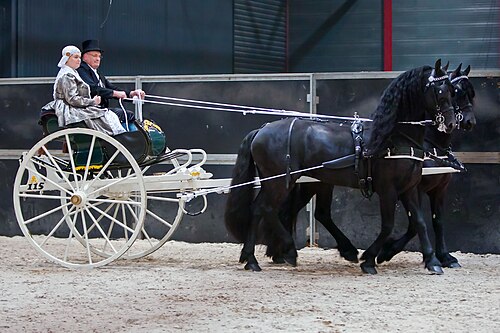
Improving a Friesian’s endurance is especially important for competition and long rides. Gradually increase the duration and intensity of workouts, alternating between walk, trot, and canter. Interval training—short bursts of faster work followed by recovery periods—can help boost cardiovascular fitness without overtaxing the horse.
Incorporate trail rides, long-lining, or light driving sessions to keep training varied and enjoyable. Always monitor your horse for signs of fatigue and adjust the program as needed.
4. Cross-Training and Mental Stimulation
Friesians appreciate variety. Mix up routines with groundwork, liberty work, and even low jumping to keep your horse mentally engaged. This not only prevents boredom but also develops different muscle groups and improves overall agility.
For those interested in the historical and cultural background of the breed, the history of Friesian horses offers fascinating insights into their evolution as versatile athletes.
Nutrition and Recovery for Optimal Results
Effective fitness training for Friesian horses goes hand in hand with proper nutrition and recovery. Friesians can be easy keepers, so it’s important to balance calorie intake with workload. Focus on high-quality forage, controlled grain or concentrate rations, and appropriate vitamin and mineral supplementation. Always provide access to fresh water and salt.
After intense workouts, allow your horse time to recover. This includes turnout, light hand-walking, and regular grooming to support circulation and relaxation. For grooming tips and essential tools, check out the recommended products above.
Sample Weekly Conditioning Plan
Below is an example of a balanced week for a Friesian in moderate work. Adjust frequency and intensity based on your horse’s age, fitness level, and goals:
| Day | Activity | Focus |
|---|---|---|
| Monday | Flatwork (arena) | Suppling, transitions, lateral work |
| Tuesday | Hill work or trail ride | Strength, stamina |
| Wednesday | Groundwork or lunging | Core engagement, obedience |
| Thursday | Rest or light hand-walking | Recovery |
| Friday | Pole work/cavaletti | Coordination, muscle tone |
| Saturday | Interval training (arena or field) | Cardiovascular fitness |
| Sunday | Turnout or leisure ride | Mental relaxation |
Monitoring Progress and Adjusting Your Program
Track your horse’s progress by observing changes in muscle development, stamina, and overall demeanor. Keep a training log to record workouts, rest days, and any health concerns. Adjust the plan as needed based on your Friesian’s response and always consult with your veterinarian or equine professional before making significant changes to the routine.
Responsible horse ownership includes ongoing education and attention to your horse’s well-being. For more on daily care and commitment, see the article on horse ownership responsibilities.
Frequently Asked Questions
How often should I exercise my Friesian to improve fitness?
Most Friesians benefit from 4–6 days of varied exercise per week, with at least one full rest day. Consistency is key, but avoid overworking—gradually increase intensity and duration to prevent injury.
What are common mistakes in Friesian conditioning?
Common pitfalls include skipping warm-ups, progressing too quickly, and neglecting variety in training. Friesians can become bored or physically strained if routines are too repetitive or intense. Always monitor for signs of fatigue or discomfort.
Can Friesians participate in endurance or jumping disciplines?
While Friesians excel in dressage and driving, many can enjoy low-level jumping and moderate endurance rides with proper conditioning. Focus on gradual fitness building and respect the breed’s physical limitations for best results.
For more tips on balancing barn time with daily life, explore our equestrian lifestyle tips. With the right approach, your Friesian can thrive in a variety of activities while staying healthy and happy.