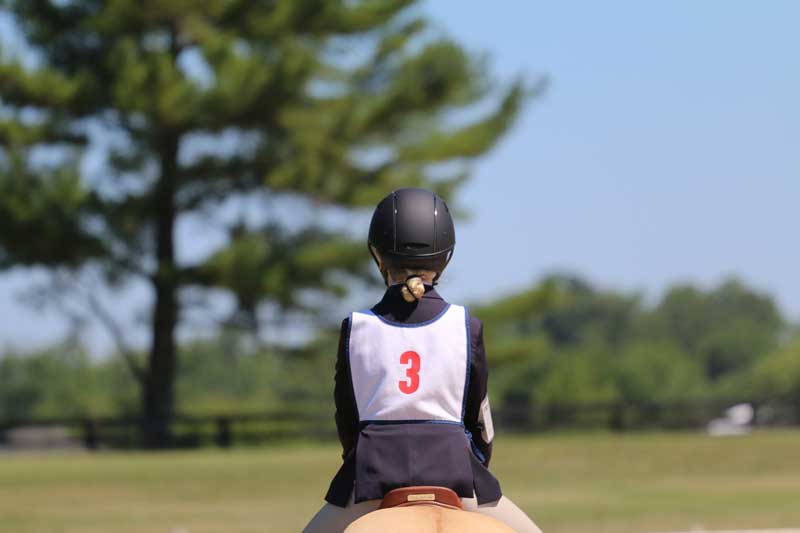
Horseback riding is an exhilarating sport, but it comes with inherent risks. One of the most critical pieces of safety equipment for riders is the helmet. Many equestrians are surprised to learn that these helmets are designed for single-use impact protection. Understanding the science behind this design helps riders make informed decisions about their safety and helmet care.
This article explores the materials, engineering, and standards that make equestrian helmets effective for only one significant impact. We’ll also discuss what happens inside a helmet during a fall, why reusing a helmet after a crash is dangerous, and how to choose and maintain your protective gear for optimal safety.
For those interested in the technical side of helmet safety, the snell e2016 safety standard explained provides valuable insight into the rigorous testing and certification processes that riding helmets must undergo.
The Reason Equestrian Helmets Are Built for One Crash
The primary function of a riding helmet is to absorb and dissipate the force of a fall or blow to the head. Unlike some sports helmets that are designed for multiple minor impacts, equestrian helmets are engineered to protect against a single, potentially severe event. This is due to the unique risks associated with horseback riding, where falls can involve significant height and speed.
The core of most riding helmets is made from expanded polystyrene (EPS) foam. This material is chosen for its ability to crush and deform on impact, absorbing energy that would otherwise be transmitted to the rider’s skull and brain. However, once the EPS foam has been compressed, it cannot return to its original state. This means the helmet’s protective capability is compromised after just one significant impact.
How Helmet Materials Work to Protect Riders
To understand why riding helmets are single impact, it’s important to look at the construction of modern helmets:
- Outer Shell: Usually made from tough plastic or composite materials, the shell spreads the force of an impact over a wider area and helps prevent penetration.
- EPS Foam Liner: The key component for energy absorption, this foam crushes under force, reducing the energy that reaches the head.
- Comfort Padding: Provides a snug fit and enhances comfort, but does not contribute to impact protection.
During a fall, the outer shell distributes the impact, while the EPS liner absorbs the energy by deforming. This process is not reversible. Even if the helmet looks undamaged from the outside, the internal foam may be compromised, leaving the rider unprotected in future incidents.

Helmet Standards and Single-Impact Design
International safety standards for equestrian helmets, such as ASTM, Snell, and PAS, require that helmets provide maximum protection for one major impact. These standards are based on real-world accident data and laboratory testing. The tests simulate falls and blows to different parts of the helmet, ensuring the design can handle the types of impacts riders are most likely to experience.
Once a helmet has absorbed a significant force, it no longer meets these safety standards. Manufacturers and safety organizations strongly advise replacing any helmet that has been involved in a fall, even if there is no visible damage. This is a key reason why single-use impact protection is emphasized in all equestrian safety guidelines.
For more on how helmet technology is evolving, see our article on safety features of modern riding helmets.
What Happens Inside a Helmet During a Fall?
When a rider falls and their head hits the ground, the helmet’s EPS foam liner compresses, absorbing the kinetic energy. This action slows the movement of the head, reducing the risk of concussion or skull fracture. The process is similar to how a car’s crumple zone works in a collision—sacrificing itself to protect the occupant.
After this event, the foam remains crushed. It can’t provide the same level of energy absorption again, which is why reusing a helmet after a fall is risky. Even a small crack or hidden deformation inside the helmet can lead to catastrophic failure in a subsequent accident.

How to Tell If Your Helmet Needs Replacing
Since the damage to a helmet’s protective liner is often invisible, it’s important to follow these guidelines:
- Replace your helmet after any fall where your head hits the ground, even if there is no visible damage.
- Inspect your helmet regularly for cracks, dents, or loose parts.
- Follow the manufacturer’s recommendations for replacement, typically every 3–5 years, even without a fall, as materials degrade over time.
Proper care also extends the life of your helmet. For tips on keeping your gear in top condition, check out our guide on cleaning matte finish riding helmets.
Advances in Helmet Technology and Safety
Recent innovations, such as MIPS (Multi-directional Impact Protection System), aim to reduce rotational forces during angled impacts. While these technologies add an extra layer of protection, they do not change the single-impact nature of the helmet. After a significant crash, even advanced helmets must be replaced to ensure continued safety.
For a deeper dive into the science behind these innovations, see this comprehensive explanation of MIPS and riding hat safety.
Choosing and Caring for Your Riding Helmet
Selecting the right helmet involves more than just style. Look for certifications from recognized safety standards, ensure a proper fit, and choose a helmet designed for the type of riding you do. For discipline-specific advice, our article on choosing a helmet for dressage is a helpful resource.
Always store your helmet in a cool, dry place, away from direct sunlight and chemicals. Never use a helmet that has been dropped, even from a short height, as unseen damage can compromise its integrity.
Frequently Asked Questions
Can I use my riding helmet after a fall if it looks undamaged?
No. Even if there are no visible signs of damage, the internal foam liner may have been compressed or cracked. This hidden damage means the helmet can no longer provide adequate protection and should be replaced.
How often should I replace my helmet if I haven’t fallen?
Most manufacturers recommend replacing your helmet every 3 to 5 years. Over time, materials can degrade due to exposure to sweat, heat, and UV light, reducing the helmet’s protective capabilities.
Are there any helmets designed for multiple impacts?
Some helmets for other sports, like skateboarding, are built for multiple low-energy impacts. However, equestrian helmets are specifically designed to protect against a single, high-energy impact and must be replaced after any significant crash.
What should I look for when buying a new helmet?
Ensure the helmet meets current safety standards, fits snugly without being uncomfortable, and is appropriate for your riding discipline. Look for features like adjustable harnesses and ventilation for added comfort.
Conclusion
The single-use impact design of riding helmets is a result of careful engineering and a deep understanding of the risks involved in horseback riding. By replacing your helmet after any significant impact and following proper care guidelines, you help ensure the highest level of protection every time you ride. Investing in a quality helmet—and knowing when to retire it—can make all the difference in your safety and confidence in the saddle.
For those interested in the evolution of protective headgear, the history of equestrian protective headgear offers a fascinating look at how far helmet technology has come.