

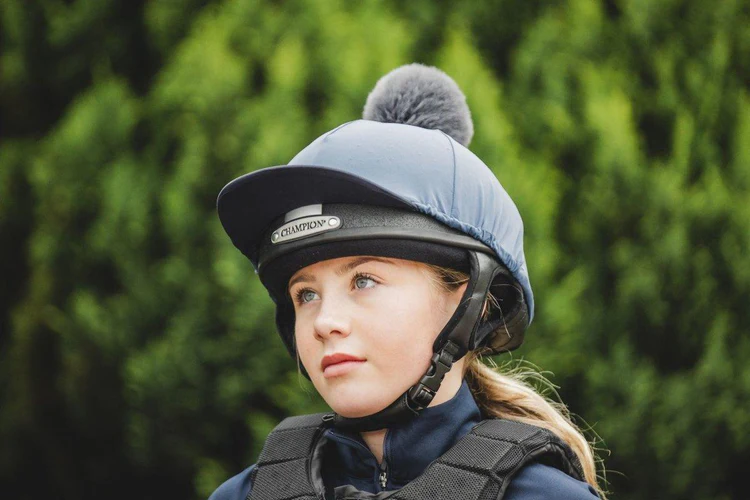
For riders who take their safety seriously, understanding helmet certifications is essential. Among the most respected benchmarks in the equestrian world is the Snell E2016 safety standard. This rigorous certification sets a high bar for helmet performance, offering riders peace of mind whether they’re in the arena or out on the trail. But what exactly does this standard entail, and how does it compare to other helmet safety criteria?
In this article, we’ll break down the core requirements of the Snell E2016 protocol, explore its significance for horse riders, and help you make informed decisions when choosing protective headgear. If you’re interested in how helmet technology has evolved over time, you may also want to read about the history of equestrian protective headgear for additional context.
What Is the Snell E2016 Certification?
The Snell E2016 safety standard is a comprehensive set of requirements developed by the Snell Memorial Foundation, a nonprofit organization dedicated to improving helmet safety. While the foundation is well-known for its work in motorsports, the E2016 protocol is tailored specifically for equestrian helmets.
To earn this certification, a helmet must pass a series of demanding tests that assess its ability to protect against a variety of impacts and hazards. These evaluations go beyond the minimum legal requirements found in many countries, making Snell-certified helmets a top choice for riders who want the highest level of protection.
Key Elements of the E2016 Helmet Standard
The E2016 protocol covers several critical aspects of helmet safety. Here’s what sets it apart:
- Impact Absorption: Helmets are tested for their ability to absorb energy from both high and low velocity impacts, simulating real-world falls and collisions.
- Piercing Resistance: The outer shell must withstand penetration from sharp objects, such as a horse’s hoof or a fence post.
- Retention System Strength: The chin strap and fasteners are evaluated to ensure they remain secure during a fall, reducing the risk of the helmet coming off.
- Coverage Area: The standard specifies minimum coverage zones to protect vulnerable areas of the head, including the back and sides.
- Stability: Helmets must remain in position during sudden movements or impacts, minimizing the chance of shifting and exposing the skull.
These requirements are designed to address the unique risks faced by equestrians, such as falls from height, rotational forces, and unpredictable obstacles.

How Snell E2016 Compares to Other Equestrian Helmet Standards
There are several helmet safety benchmarks recognized around the world, including ASTM F1163 (USA), PAS 015 (UK), and VG1 (Europe). The E2016 protocol is often considered more stringent in certain areas, particularly in impact and penetration resistance.
While all certified helmets provide a baseline level of protection, those meeting the E2016 requirements may offer enhanced safety in severe accidents. For riders who participate in high-risk disciplines or simply want added reassurance, seeking out this certification can be a wise choice.
For a closer look at the safety features of modern riding helmets, you can explore how advanced materials and design innovations are improving rider protection across the board.
Testing Procedures for Equestrian Helmets
To ensure helmets meet the E2016 protocol, they undergo a battery of laboratory tests. These include:
- Drop Tests: Helmets are dropped onto various surfaces from different heights to simulate falls and impacts.
- Piercing Tests: A pointed striker is used to test the helmet’s resistance to sharp objects.
- Retention Tests: The chin strap is subjected to force to ensure it stays fastened under stress.
- Stability Tests: Helmets are checked for their ability to remain in place during rapid movement or impact.
Only helmets that pass every aspect of this rigorous evaluation receive the E2016 label.

Why Equestrians Should Consider E2016-Certified Helmets
For riders, the consequences of a fall can be serious. Head injuries are among the most common and dangerous risks in equestrian sports. By choosing a helmet that meets the E2016 criteria, you’re opting for a product that has been tested to withstand some of the most severe accident scenarios.
In addition to the standard’s robust testing, many E2016-certified helmets incorporate advanced technologies such as multi-directional impact protection systems (MIPS technology for rotational impact protection). These features further reduce the risk of concussion and other traumatic brain injuries.
For those interested in additional helmet features, such as sun protection or style, you may want to learn about the benefits of wide brim riding helmets as well.
Proper Fit and Maintenance: Maximizing Helmet Safety
Even the most advanced helmet can’t protect you if it doesn’t fit correctly or is improperly maintained. Here are some tips to ensure your helmet provides optimal protection:
- Fit: The helmet should sit level on your head, snug but not uncomfortably tight. There should be minimal movement when you shake your head.
- Chin Strap: Always fasten the chin strap securely. For more on this topic, see the importance of chin straps in riding safety.
- Inspection: Regularly check for cracks, dents, or worn straps. Replace your helmet after any significant impact, even if no damage is visible.
- Cleaning: Follow manufacturer instructions for cleaning. For tips on keeping your helmet fresh, see how to remove odors from riding helmets.
Frequently Asked Questions
What makes the Snell E2016 protocol different from other helmet standards?
The E2016 requirements are often more demanding in terms of impact absorption and penetration resistance. Helmets must pass a broader range of tests, simulating more severe accident scenarios than some other standards.
Are E2016-certified helmets required for all equestrian competitions?
Not all organizations require this certification. However, some disciplines and events may specify it due to its reputation for rigorous safety. Always check the rules for your specific competition or riding club.
How often should I replace my equestrian helmet?
Most manufacturers recommend replacing your helmet every 3–5 years, or immediately after a significant impact. Regular inspection for wear and tear is also essential to ensure ongoing protection.
Can I use a helmet certified for another sport when riding horses?
It’s best to use a helmet specifically designed and certified for equestrian use. Helmets for other sports may not provide adequate coverage or meet the unique requirements of horseback riding.
Understanding the Snell E2016 safety standard empowers riders to make informed decisions about their protective gear. By prioritizing certified helmets and proper fit, equestrians can enjoy their passion with greater confidence and security.